Trade Volatility: Why Factories Are Learning to Dance with Tariffs in 2026
Ever wonder why your next factory might need a passport? Trade volatility has turned industrial strategy into a high-wire act, balancing costs with chaos.

The familiar rumble of rising shipping costs is back, and this time it's not just about distant geopolitical shifts. Carriers are actively pruning capacity, a move that's directly impacting the price tag on everything from your new sneakers to that flat-pack furniture.
Ever wonder why your next factory might need a passport? Trade volatility has turned industrial strategy into a high-wire act, balancing costs with chaos.
Port warehouses aren't just convenient—they're a lifeline against skyrocketing drayage. But is 2026's 'proximity premium' worth the hype, or just another band-aid on broken chains?
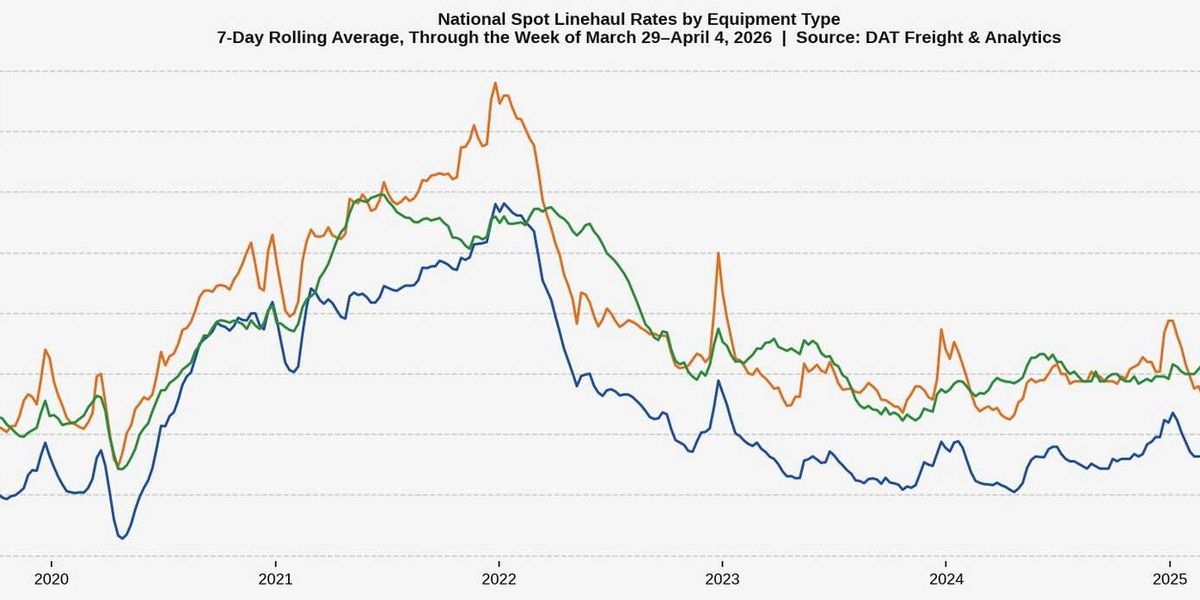
Eleven cents per mile doesn't sound like much. Until it's the biggest flatbed freight rate spike in over a decade, courtesy of skyrocketing diesel amid the Iran War.
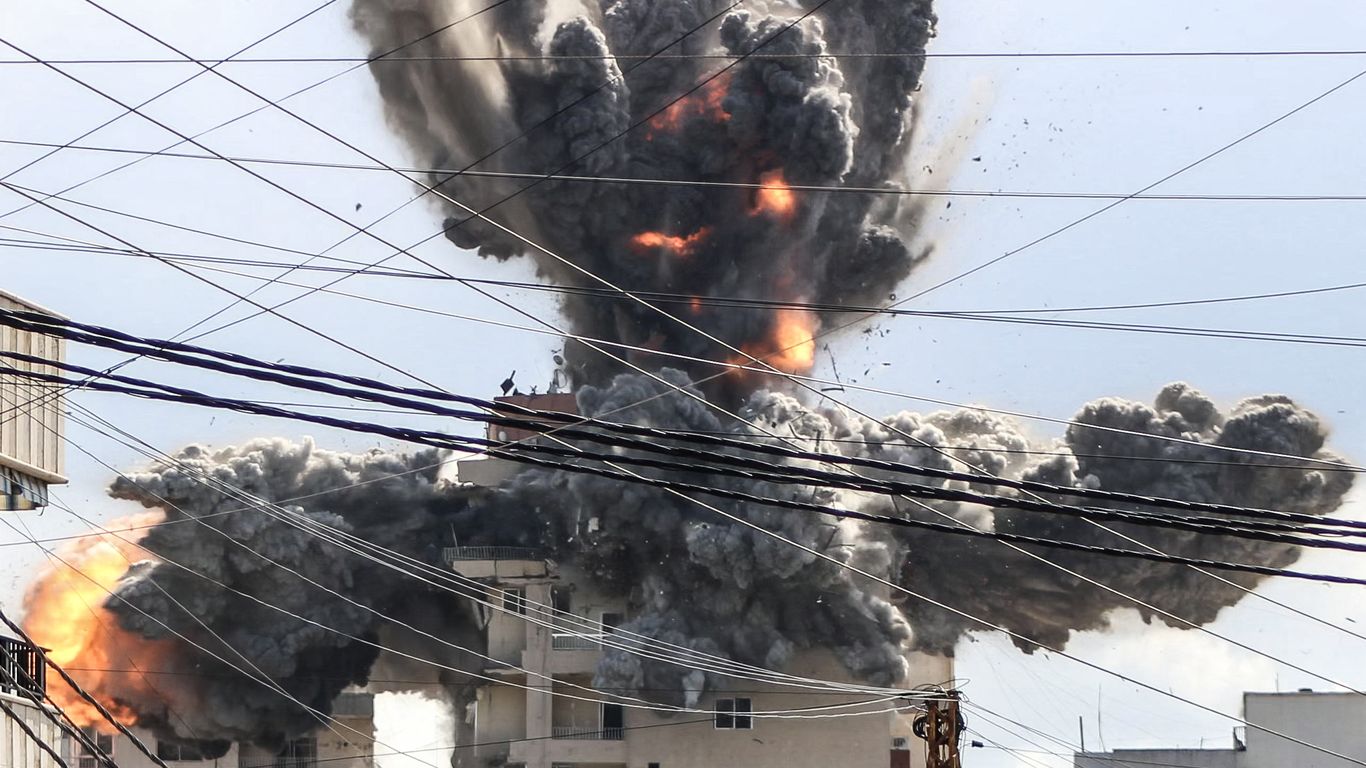
Israel's dangling a restraint olive branch on Lebanon strikes amid US-Iran talks. But with Hormuz in play, supply chains brace for the real fireworks.
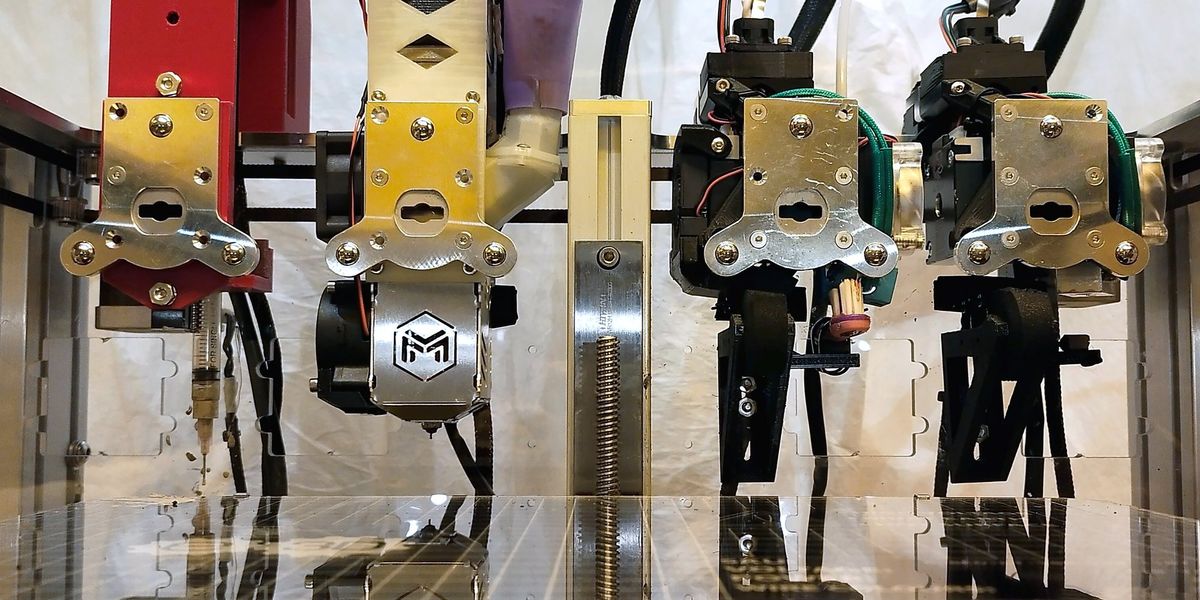
Imagine firing up your 3D printer and spitting out a live electric motor—coils, magnets, the works—in under three hours. MIT's breakthrough isn't sci-fi; it's the supply chain savior we've craved.
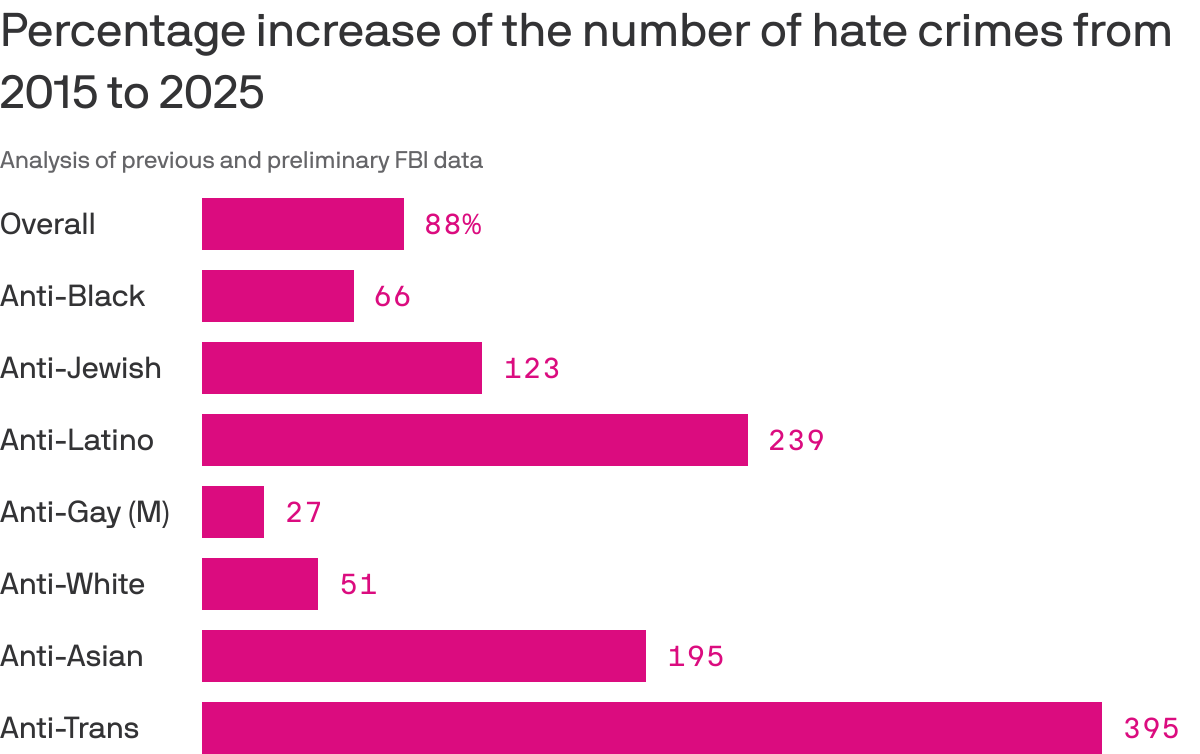
1,014. That's the staggering record for anti-Latino hate crimes in 2025, spiking 18% even as overall incidents dipped. For supply chains hooked on immigrant labor, it's a flashing red alert.
Factory floors buzzing with bots. Workers? Not so much. Europe's robot density boom signals tough times ahead for human hands in manufacturing.
Ever wonder why your container rates are spiking again? Blame Netanyahu's half-hearted pivot to Lebanon talks, as Iran threatens to choke the Strait of Hormuz. This isn't peace—it's a powder keg for supply chains.
Ships swerve around Houthi drones in the Bab al-Mandeb. Importers sweat bullets. Descartes' latest report nails why global trade's all about dodging disasters now.
You've upgraded your demand forecasts. Factories still grind to a halt. Blame execution, not crystal balls.
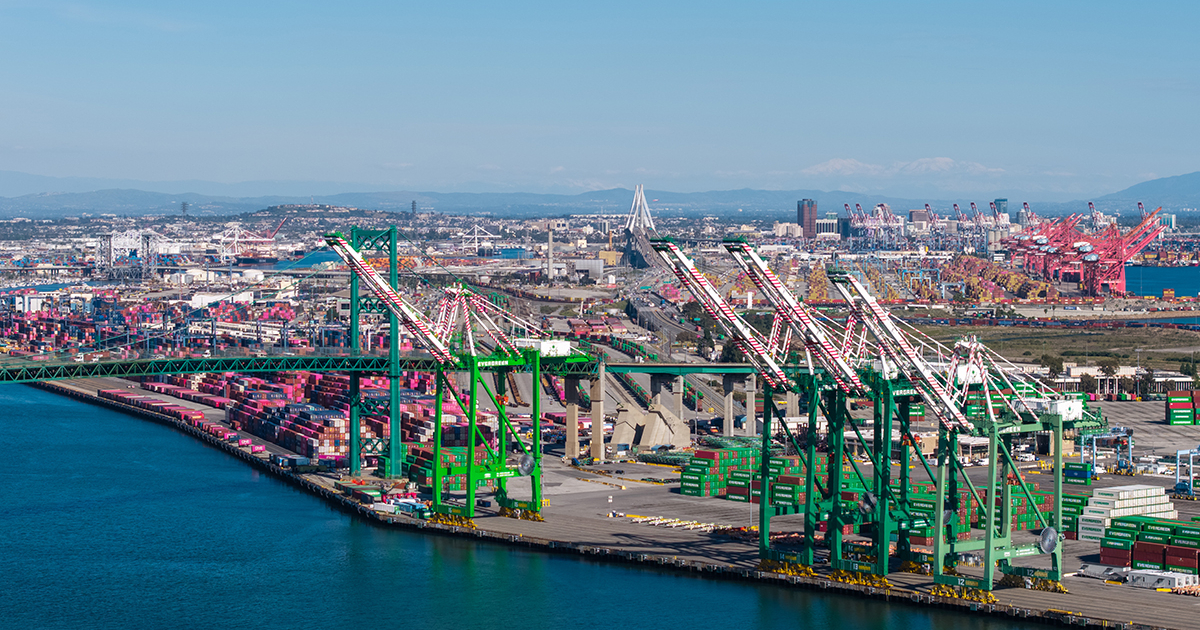
$70 million just landed in the Port of Los Angeles' lap. It's not charity; it's a hard-won fix for decades of underfunding that left the world's busiest port creaking under seismic risks and silting channels.
What if a single tweet could jam the gears of your Europe-bound shipments? Trump's NATO broadsides aren't just bluster—they're cracking the foundation of the security umbrella protecting global supply chains.