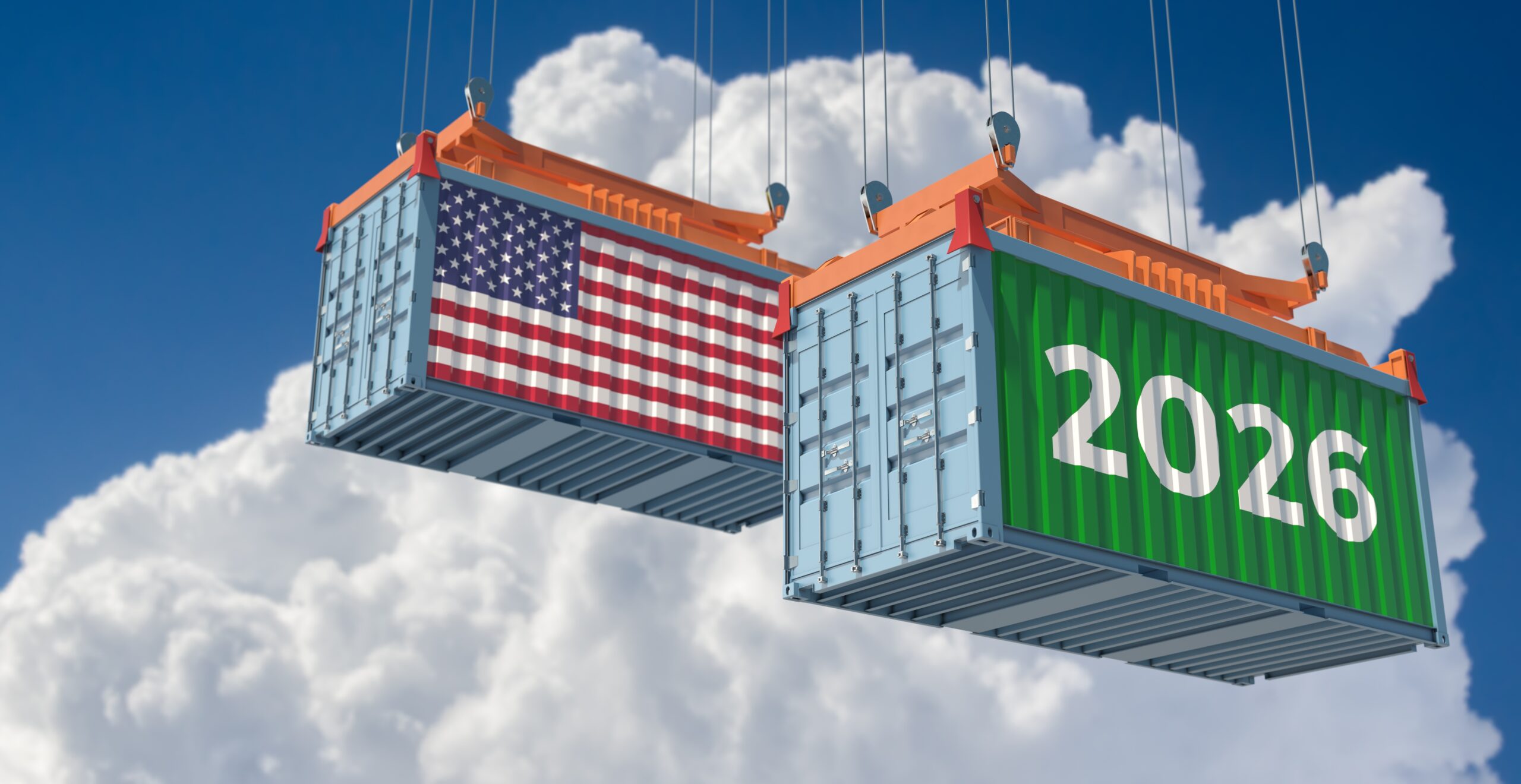
What if the tariff you ignore today redraws your entire supply chain tomorrow?
Trade volatility. It’s not some fleeting storm—it’s the roaring wind now shaping every factory floor, every warehouse door, every CEO’s late-night spreadsheet in 2026. Picture this: your gleaming plant in Shenzhen, optimized for laser-thin margins, suddenly slammed by a 60% levy. Ouch. But here’s the thrill—companies aren’t cowering. They’re evolving, building footprints that flex like bamboo in a typhoon.
And yeah, it’s exhilarating. Like watching the internet explode from clunky dial-up to always-on broadband, this shift from rigid efficiency to resilient sprawl feels like a platform leap. No more betting the farm on one cheap locale. Instead, executives are stress-testing empires against policy curveballs.
When Did Trade Risk Hijack the Boardroom?
Remember when site selection boiled down to ‘cheapest labor wins’? Those days? Poof. Gone.
Now, it’s all about the what-ifs. If Trump 2.0 slaps fresh tariffs—or if Beijing tightens rare earth exports—does your network snap or sway?
“Trade risk has moved from the margins of decision-making to the center of it.”
That’s the raw truth from the front lines. Capital planning? Riddled with scenarios that’d make a thriller novelist jealous. Spread those plants across Mexico, Vietnam, even back home. Not for patriotism—pure math. Redundancy isn’t fluff; it’s your hedge fund against havoc.
But wait—here’s my twist, the insight nobody’s yelling about yet: this mirrors the 1970s oil shocks, when Detroit’s gas-guzzlers met OPEC’s fist. Carmakers didn’t just tweak engines; they birthed fuel efficiency as a creed. Today? Volatility births dynamic footprints, and by 2028, AI simulations will let firms “rehearse” tariff wars in virtual sandboxes, auto-shifting capacity before the ink dries on policies. Mark my words—that’s the futurist bet.
Short para punch: Efficiency’s dethroned.
How Exactly Is Trade Volatility Rewriting the Playbook?
Take reshoring. Not some MAGA fever dream—cold strategy. Firms layer in U.S. backups, nearshore to Canada or Eastern Europe, all while keeping Asian engines humming. It’s a portfolio, baby—like diversifying stocks before the crash.
Sprawling thought: Imagine logistics hubs popping up not near ports for speed, but scattered for survival— one in the EU heartland (tariff-proof-ish), another in the U.S. Midwest (geopolitics buffer), a wildcard in India (rising star, lower exposure). CoreNet Global’s 2026 Pulse Survey nails it: supply chain shifts trump even ESG in real estate bets. Volatility? Assumed. Not if, but how bad.
And the energy! Companies modeling “expanded tariff regimes” on landed costs, probing single-corridor dependencies. Infrastructure’s no longer a cost sink—it’s your volatility vacuum.
Look, corporate PR spins this as ‘resilience renaissance.’ Cute. But call the bluff: many CEOs lag, per related reports, treating it like yesterday’s news. Don’t be them.
Will Reshoring End Globalization as We Know It?
Nah. Recalibration, not retreat.
Global trade’s too juicy—China’s scale, Vietnam’s hustle. But footprints stretch, multiply. Backup suppliers. Secondary sites. It’s durability dialed up.
Medium para: Facility picks now fuse trade compliance, finance, real estate. Miss the sync? Years of customs hell await.
Thrill of the future: Watch investment flows—warehouse booms in Ohio signal tariff tilts. Early birds win.
One sentence: Durability defines 2026.
Companies redesigning not to flee commerce, but to thrive in flux. Tariffs yo-yo. Tensions simmer. Winners? Those treating plants as strategic shields.
Designing Footprints That Outlast the Storm
Dense dive: Start with scenario war-gaming—tariff spikes, corridor chokes, region quakes. Layer redundancy without bloating costs (AI helps here, optimizing spreads). Coordinate teams early—trade pros with real estate wizards. Monitor peer moves; they’re your crystal ball.
Parenthetical aside: (Sustainability? Nice, but volatility’s the alpha dog now.)
Em-dash drama—efficiency matters, sure—but solo? Suicide in this whirlwind.
And the wonder: This isn’t defense. It’s evolution. Like AI nets learning from data deluges, supply chains learn from shocks, growing antifragile. Your 2026 strategy? Make it dance.
🧬 Related Insights
- Read more: $70M Federal Lifeline for Port of LA: Dredging, Seismic Fixes, and a $6B Backlog
- Read more: Vance’s Iran ‘Super Bowl’: Oil Tankers and Truckers on the Brink
Frequently Asked Questions
What is trade volatility doing to supply chains in 2026?
It’s centering risk in every decision, pushing diversified footprints over concentrated efficiency to handle tariffs and geopolitics.
Why are companies reshoring manufacturing now?
Not politics—strategy. To cut cross-border risks, add backups, and balance costs with resilience in volatile times.
How to build a volatility-proof industrial footprint?
Stress-test scenarios, spread capacity regionally, integrate trade teams early, and use AI for dynamic simulations.