AI is the New Operating System: Are You Ready?
We're not talking about incremental upgrades anymore. AI represents a seismic shift, a new operating system for how we build, manage, and innovate in supply chains.

In-depth coverage of the latest Supply Chain AI developments, trends, and analysis — curated daily.
We're not talking about incremental upgrades anymore. AI represents a seismic shift, a new operating system for how we build, manage, and innovate in supply chains.
We all figured April 2026 would dial down the chaos—ceasefire vibes, steady oil flows. Wrong. Cyber predators prowl factories, AI agents grab the wheel, and 2,000 ships idle in a fee-riddled strait.
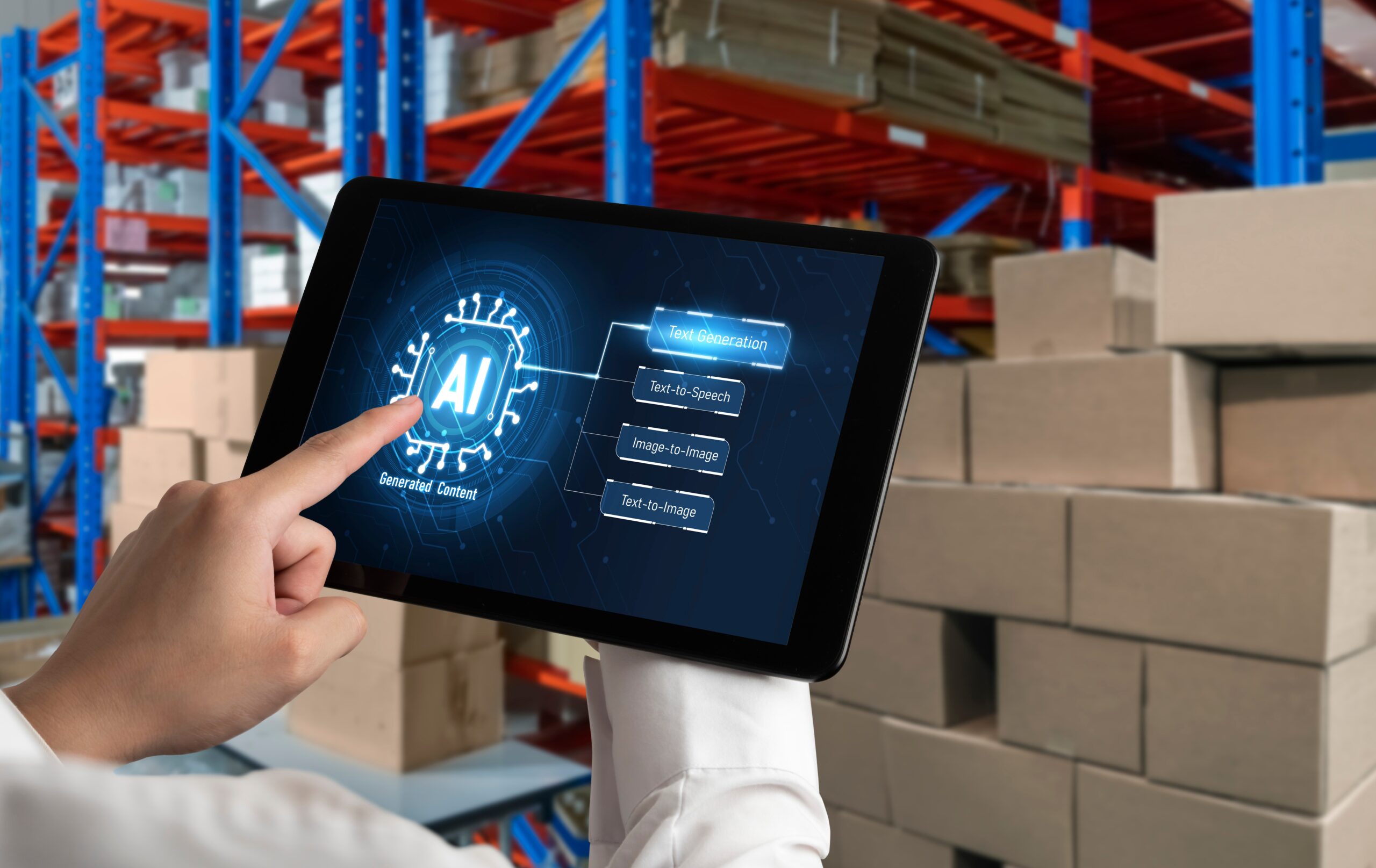
Logistics was a grind of spreadsheets and gut calls. Now AI agents act like invisible air traffic controllers, rerouting fleets in real-time and saving millions—before humans even notice the snag.
Forget the lofty speeches and dazzling keynotes. This week, the real story in supply chain logistics is about the quiet hum of AI agents and the jaw-dropping cost of procurement screw-ups.
The quiet hum of passive sensors just got a lot louder. Avery Dennison's massive investment in Wiliot isn't just about expanding product lines; it's about fueling the engine of AI-powered supply chains with a torrent of real-time data.
Forget wishful thinking. The U.S. Geological Survey just dropped a bombshell suggesting Appalachia might be sitting on enough lithium to actually make a dent in EV battery supply chains. But before you start planning your lithium mining IPO, let's pump the brakes.
Your supply chain tech can see a delay coming from a mile away. But can it actually *do* anything about it? Turns out, that's still the hard part.
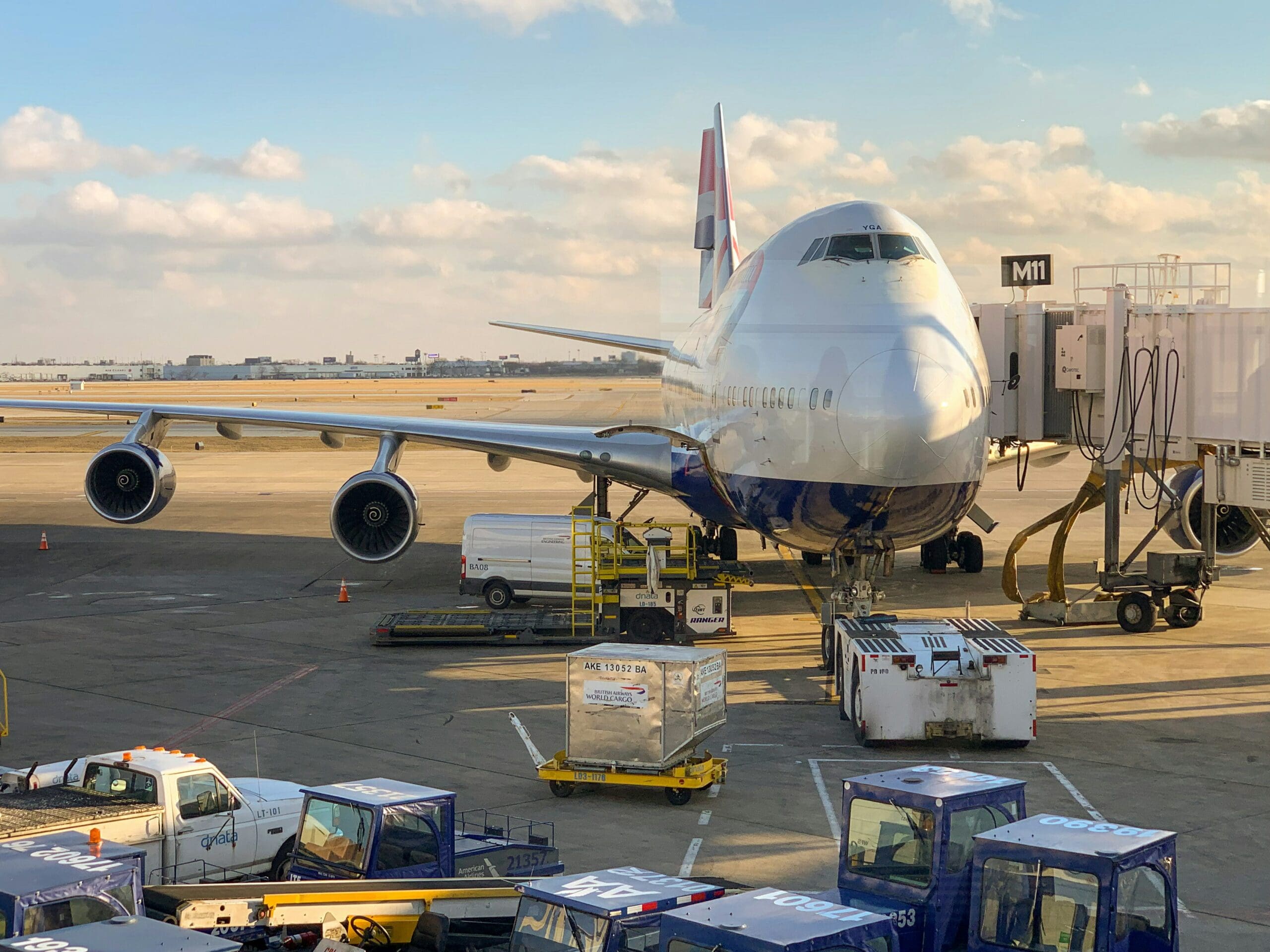
The narrative around air cargo is shifting. Once the costly last resort for supply chain emergencies, it’s now being strategically deployed to manage disruption and volatility. This isn't about abandoning slower modes, but about tactical repositioning.
The retail giant is dipping its toes into AI to get a better handle on its vast supply chain. It's all about data, they say.
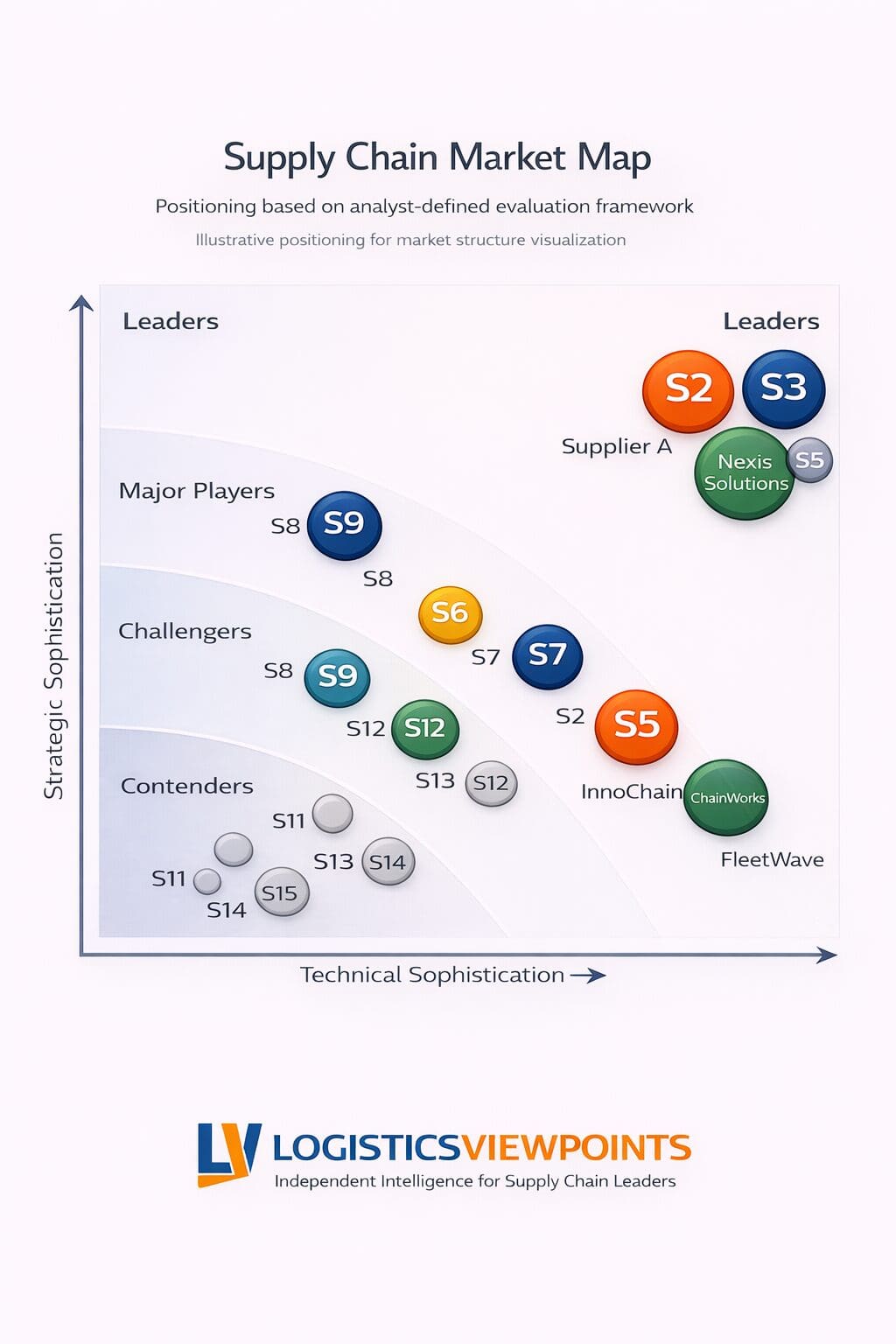
The supply chain technology market is awash in options, but buyers are drowning in confusion. Is the latest wave of AI-infused solutions truly solving problems, or just adding to the noise?
Forget simple forecasts. P&G shows the real supply chain magic is in translating chaotic demand signals into smart decisions. This is where AI will truly shine.
We're not talking about incremental upgrades anymore. AI represents a seismic shift, a new operating system for how we build, manage, and innovate in supply chains.

What if your TMS didn't just track shipments but anticipated disruptions and fixed them? Agentic AI promises that proactive edge, but is it hype or real architectural shift?
We all figured April 2026 would dial down the chaos—ceasefire vibes, steady oil flows. Wrong. Cyber predators prowl factories, AI agents grab the wheel, and 2,000 ships idle in a fee-riddled strait.
Picture a shipment stalled in a Midwest warehouse, its delay cascading into overtime rushes and premium freight. That's the supply chain cost stack in action—where margin isn't hacked from rates, but engineered across invisible links.