Picture this: supply chain news for April 6th-9th, 2026, was supposed to be the calm after the storm. A Middle East truce whispered stability, energy prices dipping, everyone eyeing smoother sails ahead.
But here’s the twist — volatility didn’t vanish; it shape-shifted. Iranian hackers zeroing in on factory brains, AI evolving from sidekick to quarterback, robots manning docks like never before, and that Strait of Hormuz? Still a geopolitical powder keg with ships stacked up like forgotten groceries. This week’s dispatches scream one truth: resilience isn’t a plan anymore — it’s deploy-or-die.
Iranian Cyber Wolves at the Factory Door?
CISA drops the hammer — urgent alert on Iranian-linked APT groups hunting programmable logic controllers in U.S. manufacturing and critical infrastructure. These aren’t script kiddies; we’re talking IRGC shadows exploiting OT gear, twisting SCADA screens, and choking ports like 44818 and 502.
Rockwell’s Allen-Bradley PLCs get the spotlight, but it’s every brand in energy, water, government. Fix? Yank ‘em off the internet, flip physical switches to run mode, watch overseas traffic like a hawk. One slip, and your supply chain’s a puppet on Tehran strings.
It’s chilling — evokes the Stuxnet era, but flipped. Back then, we wormed into nukes; now they’re burrowing into our docks and plants. Bold call: this isn’t just a warning; it’s the opening salvo in cyber supply chain warfare, forcing logistics to bunker down faster than a storm hits.
While Rockwell Automation/Allen-Bradley devices are specifically highlighted, the warning extends to other branded PLCs used across energy, water, and government sectors.
Agentic AI: From Predictor to Player
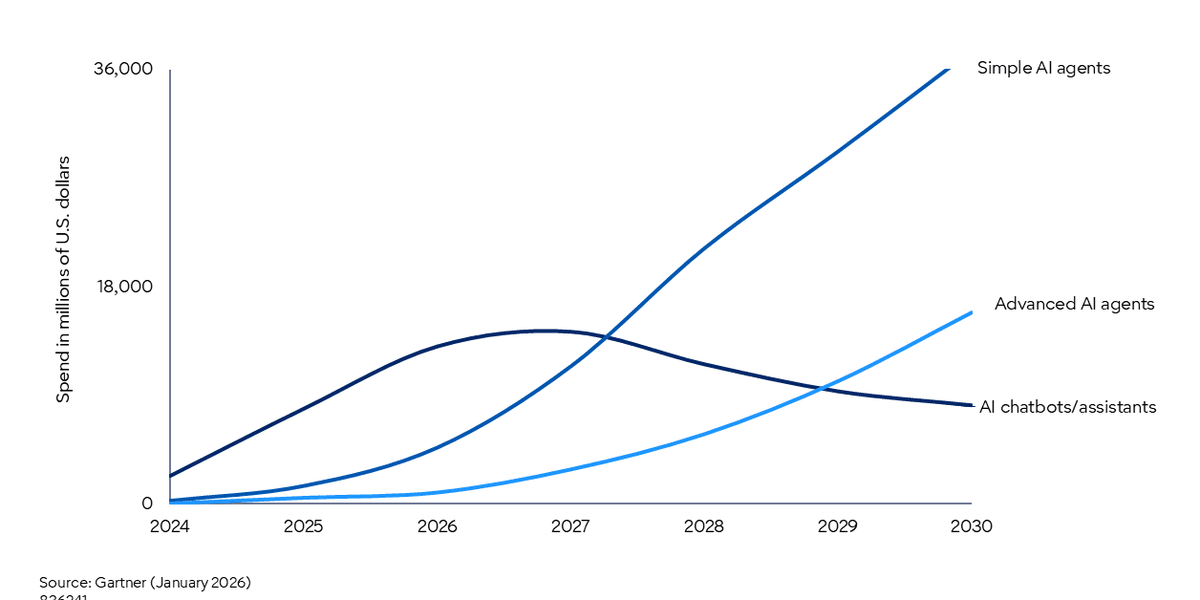
And yet — amid the dread — wonder erupts. Everyone expected AI pilots to fizzle, more hype than help. Nope. Manik Sharma at Kinaxis nails it: supply chains are the forge for agentic AI, where bots don’t just forecast; they act.
Think of it like evolution’s leap — from horse-drawn carts to self-driving trucks. Agentic systems build shared business smarts, orchestrate planning with real-time zaps, turning siloed data into a living pulse. No more fragmented experiments; we’re redesigning workflows for endless learning, humans guiding the gods we built.
This is the platform shift I’ve been evangelizing. Like the internet exploding mainframes into webs of connectivity, agentic AI morphs rigid supply chains into adaptive organisms — sensing disruptions, rerouting loads, haggling with suppliers autonomously. Prediction: by 2027, 40% of Fortune 500 logistics will run agentic cores, slashing volatility’s bite by half. Corporate spin calls it ‘evolution’; I say revolution, bottled and shipping now.
In a recent article for Logistics Viewpoints, Manik Sharma of Kinaxis highlights that the next wave of AI evolution involves agentic capabilities where systems do not just predict outcomes but actively participate in execution.
Sharma’s right — but here’s my edge: past AI waves drowned in data swamps; agentic thrives on orchestration layers, making supply chains the killer app for this tech tsunami.
Short para punch: Game on.
Dock Robots: Unloading the Future
Labor woes? Brutal trailer unloads? Say hello to 3D-vision bots and human-loop hybrids storming brownfield warehouses.
No full redesigns needed — these pragmatic pickers stabilize throughput, boost safety, cycle dock-to-stock at warp speed. It’s the anti-experiment: targeted at pain points, freeing humans for exceptions, not drudgery.
Vivid? Imagine a weary dockworker high-fiving a robot arm that never tires, never sues. Staffing shortages? Obliterated. This duo — AI agents upstairs, bots downstairs — paints supply chains as sci-fi symphonies, humming through chaos.
Hormuz: Ceasefire or Cash Grab?
Oil slips under $100. Cheers? Hold up. U.S.-Iran two-week truce promises Strait reopening, but 2,000 vessels trapped, Tehran demanding $2M fees per ship, permissions galore.
Israel-Hezbollah flares re-close it overnight. Shippers balk — no safety net, just volatility’s favorite chokehold on 20% of global energy.
Leaders, brace: diplomatic Band-Aids won’t unplug weaponized seas. Diversify routes now, or watch costs spike like bad crypto.
Why Does Agentic AI Matter More Than Ever for Supply Chains?
Because cyber hacks and strait sieges make prediction worthless — execution king. Agentic AI doesn’t flinch; it fights back, rerouting around black swans in real time.
Historical parallel? The 1973 oil crisis birthed just-in-time; this era births just-in-case AI. Hype? Sure, but Sharma’s vision lands because volatility demands it.
Dock bots amplify: physical resilience meets digital brains. Together? Unbreakable chains.
One para wonder: We’re not surviving chaos — we’re thriving in it.
Will Cyber Threats Shut Down Global Logistics?
Not if we act. CISA’s playbook — isolate PLCs, monitor ports — is table stakes. But layer in AI sentinels? That’s the futurist flex, spotting anomalies before humans blink.
Straighter Sailing Ahead?
Fragile. Fees and foes linger. Stockpile buffers; agentic AI will optimize the rest.
🧬 Related Insights
- Read more: Robot Density Explosion: Factories Filling Up, Jobs Emptying Out
- Read more: Egypt’s 10th of Ramadan Dry Port: Where Desert Meets Digital Trade Revolution
Frequently Asked Questions
What are agentic AI capabilities in supply chains?
Agentic AI goes beyond predictions — it executes decisions, orchestrates workflows, and learns continuously, turning supply chains into proactive powerhouses.
How to protect PLCs from Iranian cyber attacks?
Remove from internet, monitor ports 44818/502, set physical switches to run; integrate AI monitoring for early warnings.
Is the Strait of Hormuz fully open after ceasefire?
No — conditional truce with high fees and permissions; 2,000 ships wait amid risks from ongoing hostilities.