Rain pelts the windows of a corner office in Chicago, where a grizzled supply chain VP scrolls through yet another AI pilot report—promising the moon, delivering dust.
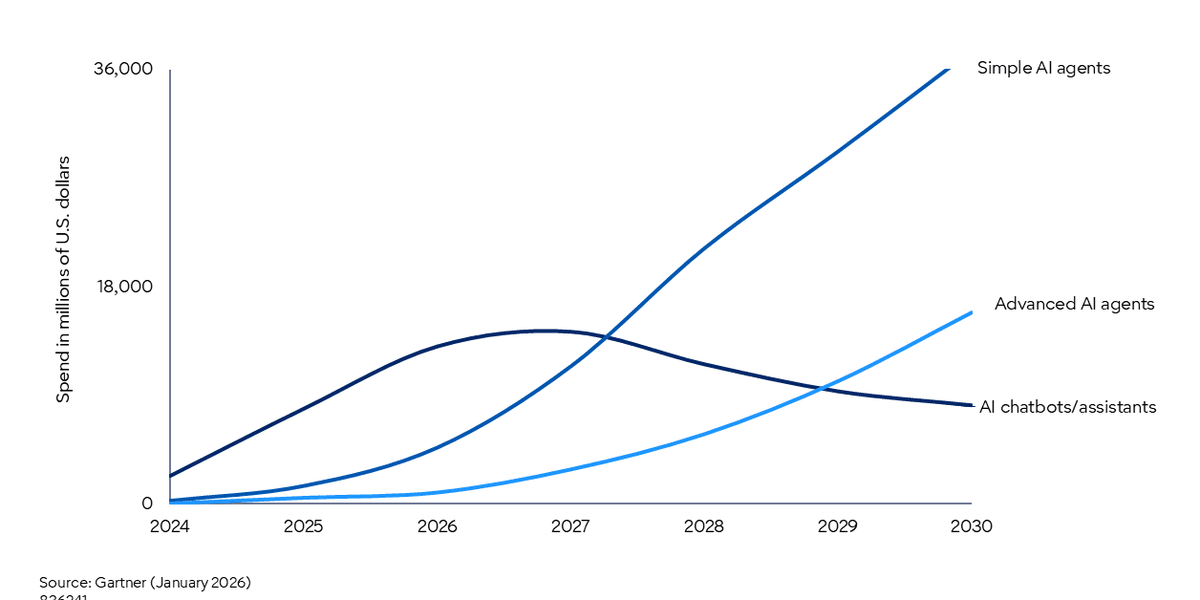
Enterprise AI. That’s the phrase buzzing in every boardroom these days, but let’s cut the crap: for years, it’s been all talk, zero walk. Organizations throw millions at pilots, experiments, shiny demos. And what? A sobering stat hits like a freight truck—80 to 95% of these initiatives flop, failing to move the business needle even a twitch.
Here’s the thing. It’s not the tech that’s broken. AI works fine in labs, spitting predictions like a champ. No, the killer’s in the messy real world: fragmented data swimming in silos, processes that don’t talk to each other, workflows begging for a sledgehammer. You’ve got execs chasing ‘agentic capabilities’—buzzword alert—but without gluing it all together, it’s just digital vaporware.
For the past several years, artificial intelligence has been everywhere in enterprise conversations and nowhere in actual results. Most organizations have experimented, many have piloted, but very few have operationalized AI in a way that meaningfully moves the needle.
Spot on. That’s the cold truth from the front lines.
Why Does Enterprise AI Keep Crashing?
But wait—why? Data explodes, clouds scale, models get smarter. Yet AI stumbles into operations like a drunk at last call. First wave? Predictions. Meh. Next? Action. Sensing, deciding, acting in real time. Sounds sexy. In consumer goods, they’re slashing product cycles from months to days, linking demand to design on the fly. Retail? Digital twins zap disruptions in minutes, not days—better service, leaner inventory.
Common glue? Four pillars they tout: shared semantic smarts across data, workflow sims with business logic, orchestration layers hooking people-systems-decisions, endless learning loops. Fine. But here’s my cynical squint: who’s building this? Vendors peddling ‘unified intelligence’ platforms, of course. And they’re making bank on the complexity you never see.
Users want simple. Abstract the guts, deliver real-time answers sans the PhD headache. Self-service for biz folks, not just coders. Noble goal. But pull back the curtain—it’s still a rat’s nest of integrations.
Supply chains. Now we’re talking blood sport.
These beasts mirror the enterprise’s raw physics—every call on make, ship, stock hits the wallet hard. Siloed? Chaos. That’s AI’s graveyard. Success here? Gold. It ripples everywhere, forcing that real-time decision shift.
Inflection point, they say. Data arches, cloud muscle, AI tricks converging. Investments surging past old-school software. Urgency. Opportunity.
Pfft. I’ve heard that song before.
Remember the ERP Bloodbath of the ’90s?
My unique twist—and trust me, the original piece misses this—enterprise AI’s echoing the ERP debacle two decades back. SAP, Oracle hawked miracle suites to streamline everything. Companies bet the farm. Result? Billions flushed, implementations dragging years, custom code nightmares. Why? Same sin: ignored the human-process glue. Thought tech alone conquers.
Today? AI vendors whisper ‘orchestration’ like it’s the savior. That layer syncing data, decisions, execution end-to-end. Isolated pilots? Dead end. System-level rethink? Maybe. But who’s actually cashing in? The orchestrators—think Celonis, maybe some AI upstarts—with fat contracts to knit your Frankenstein ops together.
Supply chains as proving ground. Brutal test. Compress cycles, simulate snarls, act autonomously. We’re seeing glimmers: food service dodging stockouts via AI twins, manufacturers rerouting shipments mid-chaos. But scale it? Ha. Most won’t. Too many cooks, legacy ERPs snarling like guard dogs.
Look, I’ve covered Valley hype for 20 years. Dot-coms, blockchain gold rushes, metaverse mirages. Pattern’s clear: promise trumps delivery until physics bites. AI’s no different. Enterprises chasing ‘operational impact’? Ditch the experiments. Build that shared brain—semantic maps linking your messy data to outcomes. Wire AI into workflows, not as sidekick, but driver. Orchestrate like your P&L depends on it—‘cause it does.
And the money question: who wins? Not the dabblers. The integrators, the ones selling the ‘simple’ layer atop chaos. They’ll feast while you debug.
Can Supply Chains Finally Cash In on AI?
Short answer: yeah, if you’re ruthless. Chains demand it—financial stakes too high for fluff. Link demand signals to factories in hours? Possible now. But prediction: 70% still botch it by 2026, chasing agents without foundations. Winners? Those aping the old ERP survivors: standardize data first, then layer AI.
Leaders, wake up. No more pilots. Go systemic. Or watch competitors lap you while your AI budget evaporates.
**
🧬 Related Insights
- Read more: Truckstop.com Bets Big on Heavy Haul with Wize Load Buyout
- Read more: RJ Logistics Flips Mexico Tracking Hell into a Killer Sales Pitch
Frequently Asked Questions**
What causes 80-95% of enterprise AI projects to fail?
Fragmented data, siloed processes, botched integrations—tech’s ready, ops aren’t.
How can supply chains operationalize AI for real value?
Build shared semantics, workflow orchestration, continuous learning; make it dead simple for users.
Is AI orchestration just vendor hype?
Partly—it’s the glue that matters, but it’ll line their pockets if you buy the full stack.