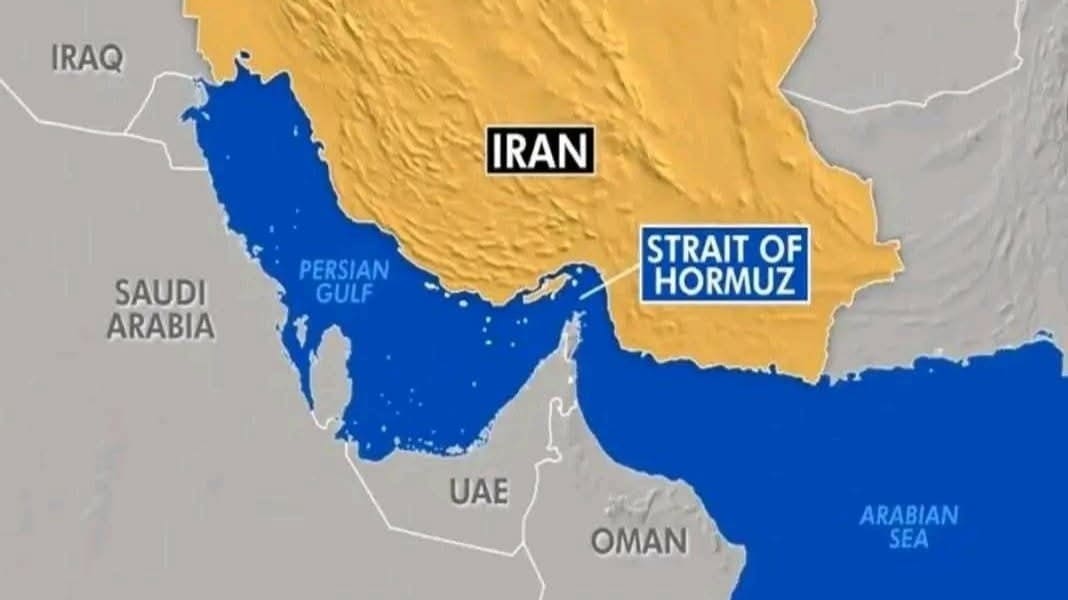
A freight forwarder in Rotterdam stares at his screen late into the night, watching a single container delay trigger a domino of expedited trucking, overtime labor, and supplier penalties across the Atlantic.
That’s the supply chain cost stack biting back. Costs climb—familiar territory—but the real bleed? It happens not in isolated line items, transportation bids or procurement squeezes, but in the messy interplay of decisions stacked one atop the other. Network footprints lock in distant suppliers for pennies saved per unit; inventory policies balloon buffers for speed; transportation tweaks introduce wild service swings. Suddenly, what looked like a win unravels.
Organizations chase the obvious first. Transportation teams hammer carriers for lower rates. Procurement leans on suppliers. Warehousing hunts efficiencies. They snag gains, sure—it’s their job. But the needle on total margin barely twitches.
Why Do Supply Chain Savings Always Fall Short?
Here’s the thing: effort isn’t the villain. Structure is. Margin doesn’t form in silos; it’s forged — or fractured — where functions collide.
Take a classic trap. You source cheaper from overseas (procurement victory!). Transportation costs spike with longer hauls and port volatility. Inventory piles up to cover lead-time risks. Fulfillment scrambles with stockouts or overstocks. No one’s wrong, exactly. But the system’s paying.
“Most inefficiency does not sit neatly inside a function. It lives in the seams.”
That line from industry vets nails it. Seams. Those friction points where a network designed for agility demands fatter inventory, or where service obsession breeds excess safety stock that rots in warehouses.
And variability? It’s the silent killer. Demand jolts, port snarls, carrier no-shows—these don’t hit spreadsheets neatly. They spawn expedites, rework, recovery mode. In tight networks, this variability tax can eat 10-20% of gross margin, invisible until quarterly reviews.
Timing seals the deal. Planning cycles bake in assumptions from months ago—demand forecasts that sour, supplier quotes that evaporate. By execution, you’re firefighting. Higher costs, always.
Picture the 2008 freight recession. Carriers slashed spot rates 40%, a procurement dream. But networks optimized for those lows couldn’t pivot when volumes rebounded; inventory starved, service tanked, exceptions exploded. Margin vanished not from rates rebounding, but from rigid stacks unable to flex. Today’s echo? Post-pandemic chains still scarred by that lesson, yet repeating it with AI hype.
My take—the unique angle glossed over in boardrooms: this stack mirrors software architecture’s OSI model from the ’80s. Layers (physical transport, data links like inventory signals, network routing) must handshake perfectly, or packets — shipments — drop. Supply chains ignore interface protocols at their peril. Bold call: by 2026, winners will treat it as code, with graph-based AI auditing seam frictions in real-time.
What Actually Shifts the Margin Needle?
Trade-offs, first. Cost teams chase unit savings; service crews hoard inventory. No shared ledger. Result? Overbuilt buffers funding underutilized trucks.
Variability next. Static models miss it; real ops drown in it.
Timing, last. Push decisions later, closer to signals. That’s the shift underway.
Not sci-fi. In savvy ops — think Zara’s fast fashion or Amazon’s fulfillment — routing tweaks mid-day, carriers swap on the fly, stock repositions beat plans. Less rework. Fewer shocks. Margin emerges.
How Is Technology Rewiring the Stack?
Tech enables, doesn’t dictate. Static ERPs and siloed spreadsheets? Dead end. What’s moving: real-time visibility fusing fragmented data.
AI shines here — not magic, but graph-enhanced reasoning mapping decision dependencies. Spot a port delay? Reroute proactively, not reactively. Advanced analytics (or just crisp processes) shrink signal-to-response gaps.
But hype alert: corporate decks tout “AI-orchestrated chains” like it’s arrived. It’s not. Most are copilots in pockets, not stack conductors. True wins? Discipline first, digits second.
Why Does This Matter for Supply Chain Leaders?
Coordination rules. Do sourcing, transport, inventory teams share a cost-service north star?
Speed counts. How fast do you pivot?
Visibility? Trade-offs visible upfront, or postmortem?
These metrics predict winners. Laggards chase cycles; leaders compress them.
Closing in: cost pressure’s eternal, but isolated cuts yield diminishing returns. Margin’s now in orchestration — tighter loops, fewer fixes. Harder to pitch than rate wins, deadlier effective.
🧬 Related Insights
- Read more: States Logistics Cracks Warehouse Turnover with a ‘Declining to Thriving’ Tech Hack
- Read more: AI Supercharges Customs Compliance in Global Trade
Frequently Asked Questions
What is the supply chain cost stack?
It’s the layered decisions—from network design to fulfillment—that interact to make or break margin, not standalone costs like freight rates.
Why don’t procurement savings stick in supply chains?
Because cheaper distant suppliers inflate transport and inventory downstream, eroding gains in hidden seams.
Can AI fix supply chain margin leaks?
It helps by enabling real-time adjustments across the stack, but only if paired with cross-function coordination—not as a solo hero.