Enterprise AI's Dirty Secret: 80% Failures and the Supply Chain Fix
I've seen AI hype cycles come and go; this one's no different until supply chains force real results. But who's pocketing the cash amid 80% failure rates?
In-depth coverage of the latest Supply Chain AI developments, trends, and analysis — curated daily.
I've seen AI hype cycles come and go; this one's no different until supply chains force real results. But who's pocketing the cash amid 80% failure rates?
Logistics was a grind of spreadsheets and gut calls. Now AI agents act like invisible air traffic controllers, rerouting fleets in real-time and saving millions—before humans even notice the snag.
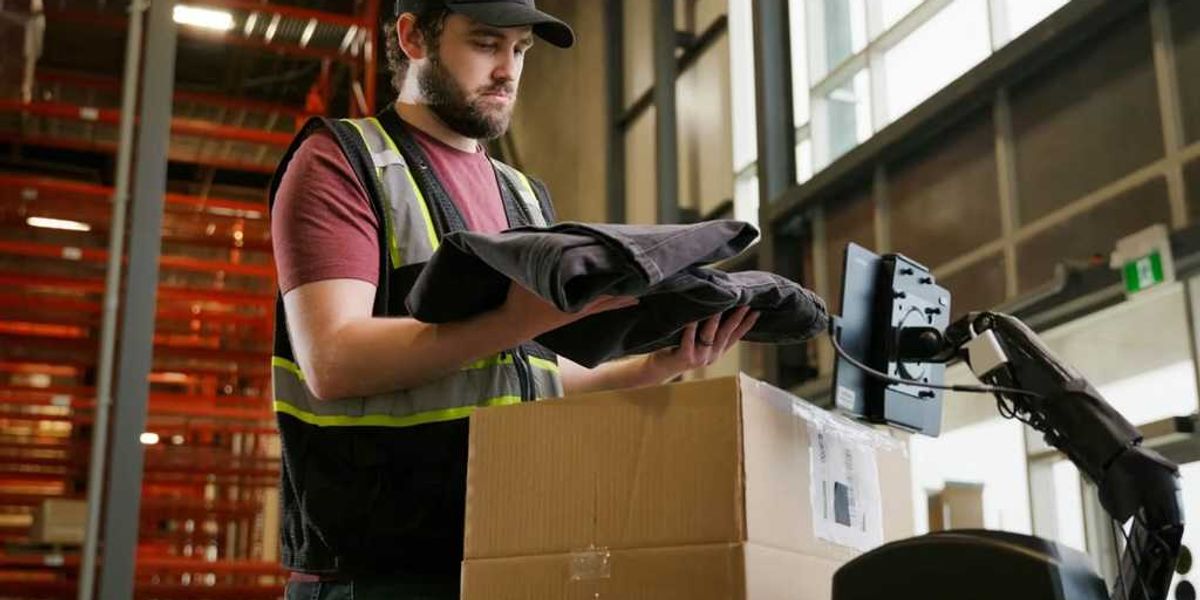
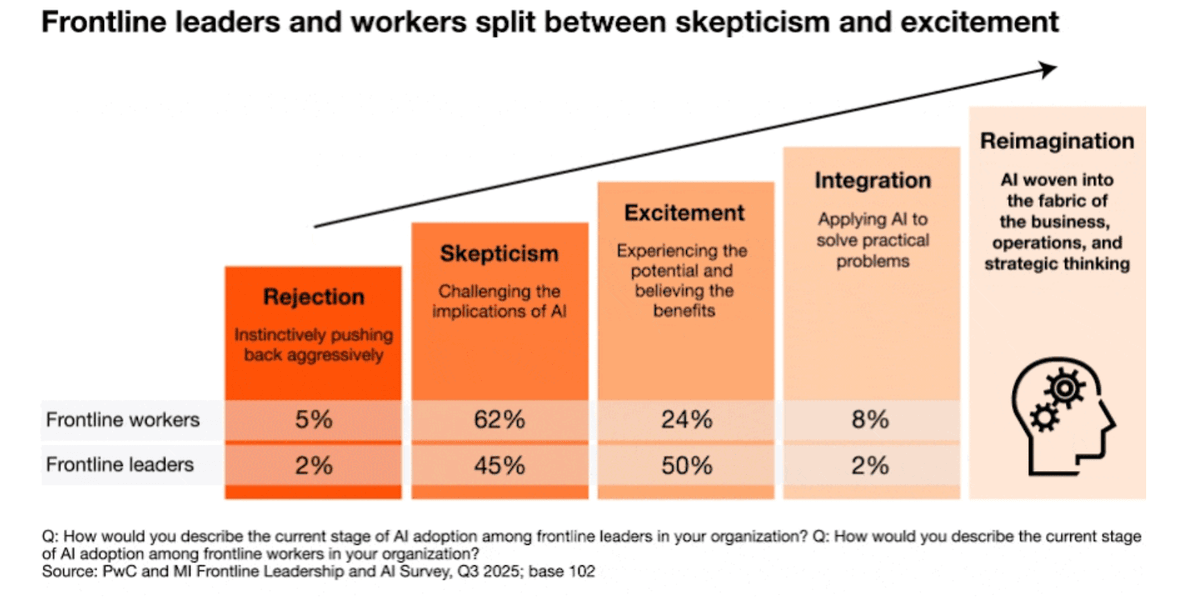
Manufacturing workers are skeptical of AI, and it's not just paranoia—it's a frontline revolt brewing. PwC's latest survey shows leaders aren't bridging the gap, dooming half-baked rollouts to failure.
Oracle just dropped 12 AI-powered workspaces for supply chains. They'll 'reason, decide, and act' – sounds great, until you remember ERP history.
You've upgraded your demand forecasts. Factories still grind to a halt. Blame execution, not crystal balls.
Kalshi just hit $13 billion in bets last month—elections, sports, even Taylor Swift's wedding. But for supply chain pros, it's a crystal ball for trade wars and disruptions.
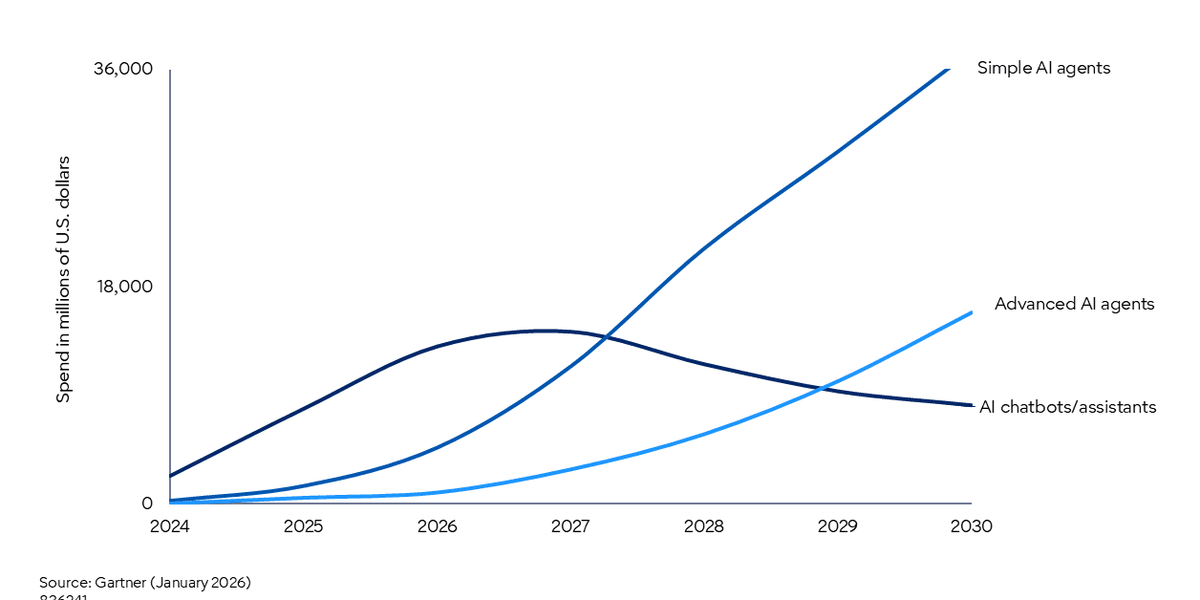
Chatbots? So last year. Gartner now bets big on AI agents exploding supply chain software spend to $53 billion by 2030. But hold the champagne—reality might crash the party.
Project44 just bought its second AI firm in four years. LunaPath.ai promises to zap repetitive freight tasks—yet supply chain AI still feels like vaporware.
Tired of returns eating your wallet? Two Boxes thinks AI can fix it—with fresh $3.2M cash. But in a sea of logistics startups, is this the real deal or recycled hype?
How supply chain visibility platforms enable end-to-end tracking of goods across global networks, from raw material sourcing to final delivery, using real-time data and predictive analytics.
A comprehensive guide to supply chain management covering planning, sourcing, manufacturing, logistics, and the technologies transforming end-to-end operations.
How supply chain control towers centralize visibility, monitoring, and decision-making to coordinate end-to-end operations across procurement, manufacturing, logistics, and customer fulfillment.