Why do factories keep choking on delays when everyone’s obsessed with perfect forecasts?
Manufacturing delays. They’re not from bad predictions—they’re from botched execution. That’s the gut-punch from a LeanDNA study, hitting 150 execs at global discrete manufacturers. Three-quarters dumped money into forecasting tools. Didn’t help. Disruptions? Still daily nightmares.
Short sentences hit hard here. Factories fail at the floor level. 75% say supply plans crumble during execution—not in the forecast.
Here’s the thing: Plans leave the system all shiny. Then reality bites. Suppliers flake. Materials vanish. Production priorities? A joke. Texas-based LeanDNA calls this the real failure point. And they’re not wrong—though, yeah, they’re selling software to fix it.
Forecasts Are Fine. Execution? Disaster Zone.
Picture this sprawl: You’ve got ERP spitting out orders, demand tools humming along, everything aligned on paper—and then, bam, supplier swaps tank your line quarterly for 83% of manufacturers. Half see it monthly. Worse? 72% spot shortages only after delays lock in. Too late, folks. Window slammed shut.
Detection? Pathetic. Over half take a week—yes, a week—to scramble fixes. In factories where hours rule, that’s bankruptcy fuel.
And don’t get me started on ERP. 73% say it flags needed parts but can’t stop the crash. 93% can’t peek into actual execution outcomes. It’s like a dashboard blind to the engine exploding.
ERP plans what to buy, when. Fine. But factories? Suppliers ghosting, constraints biting, schedules shifting—ERP shrugs. Structural blind spot. No forecast tweak fixes that.
A single damning stat: 74% invested heavily in forecasts. Zero impact on ops chaos.
The ERP Trap—and Why It’s Laughable
ERP’s the emperor with no clothes. It orders materials. Sets timelines. Great on spreadsheets. Useless when the factory floor turns into Mad Max.
LeanDNA nails it: Supply planning isn’t a one-and-done output. It’s execution’s opening act. But most treat it like a forecast party trick.
“Supply planning is not the output of the demand planning process — it is the first act of execution,” Andy Ellenthal, CEO of LeanDNA, said in a release. “The manufacturers who recognize that distinction and invest accordingly will compete differently: with lower inventory, higher delivery reliability, and supply chains that function as a strategic advantage rather than a constant source of firefighting.”
Nice quote. Polished PR. But here’s my unique twist—they’re echoing history’s ghosts. Remember Detroit in the ’80s? Auto giants nailed demand forecasts, stacked inventories sky-high. Japanese rivals? Lean execution, just-in-time magic. Result? Rust Belt. Winners lapping them. Ignore execution today, and you’re tomorrow’s scrap.
Corporate hype alert: LeanDNA’s pushing their fix. Skeptical? Sure. Data holds up, though. Wakefield Research backs it—March survey, senior decision-makers. Not fluff.
Why Does Poor Execution Cause Manufacturing Delays?
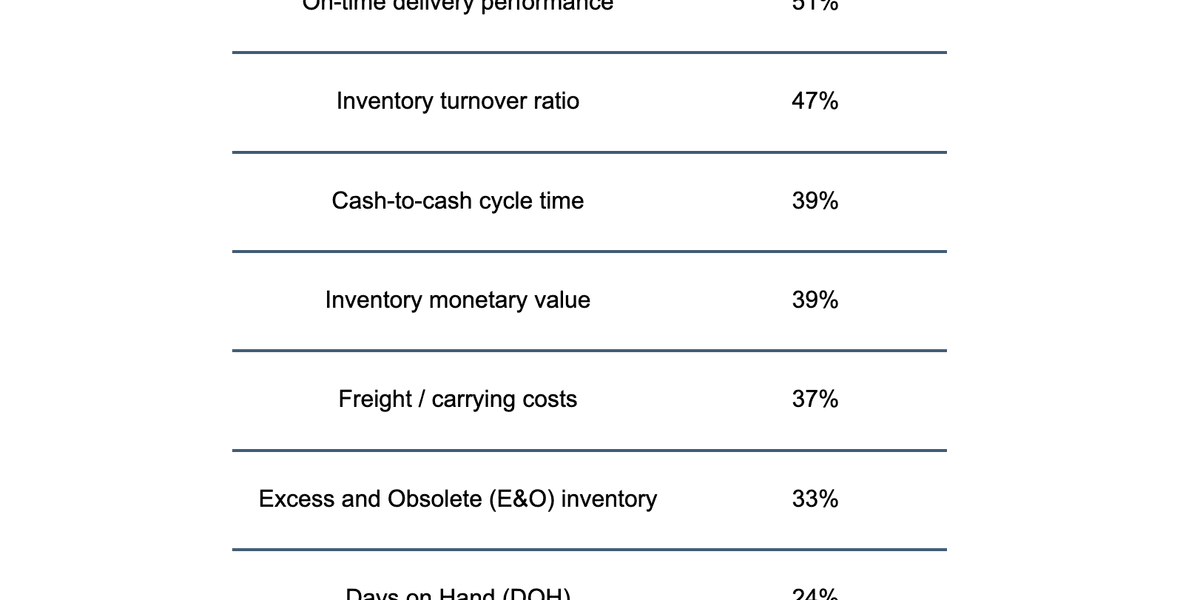
Break it down. Supplier changes? 83% disrupted quarterly. Materials short? Discovered post-mortem by 72%. Response lag? Week-plus for 51%. That’s math for pain.
But why? Siloed systems. Planners dream. Buyers chase. Factories execute blind. No real-time sync.
One exec might say, “Our forecasts are gold.” Yeah? Gold doesn’t run machines. Alignment does—or doesn’t.
My bold prediction: In five years, execution-first firms thrive. Forecast obsessives? They’ll be case studies in Supply Chain Beat’s “What Went Wrong” series. Dry humor: Bet on it, or bet your job.
And AI? LeanDNA’s dangling it like candy. Continuous monitoring—sites, suppliers, workflows. Real-time updates. Sounds dreamy. But will it deliver, or just another layer of vendor lock-in?
Short answer: Maybe. If it bridges the ERP chasm without exploding costs.
Look, we’ve seen AI hype before. ChatGPT for emails? Meh. But here? Factory floors crave it. Monitoring every twitch—supplier delays flagged in minutes, not weeks. Inventory drops. Reliability soars.
Still, caveat: Don’t ditch ERP yet. Evolve it. Or watch competitors eat your lunch.
Can AI Fix Manufacturing Execution—or Is It Snake Oil?
AI’s pitched as the shift: From scheduled plans to living systems. Every site watched. Suppliers pinged. Buyers looped in. Updates? Instant.
Promising. But execution’s messy—human errors, geopolitics, freak storms. AI spots risks early? Great. Prevents them? Jury’s out.
Critique the spin: LeanDNA says “no amount of better forecasting will resolve” the blind spot. True enough. But their solution? Plug-and-play salvation? Doubt it. Integration hell awaits.
Historical parallel: Taylor’s scientific management, 1910s. Promised efficiency. Delivered micromanaged hell. AI could be that—or the real just-in-time 2.0.
Winners? Those blending AI with street smarts. Losers? Hype-chasers.
One-paragraph rant: Factories, wake up. Forecasts are table stakes. Execution wins wars. Invest there, or idle forever.
🧬 Related Insights
- Read more: Pam Bondi Ghosts Congress on Epstein Files Subpoena
- Read more: Trump’s NATO Fury: Poisoning the Alliance That Secures Global Supply Lines
Frequently Asked Questions
What causes manufacturing delays despite better forecasting?
Poor execution at the factory level—supplier issues, material shorts spotted too late, slow responses. Not the predictions.
Why can’t ERP prevent production disruptions?
ERP plans orders but lacks visibility into real factory outcomes, supplier realities, or shifts. Blind spot city.
Will AI solve supply chain execution problems?
It could enable real-time monitoring and fixes, but success depends on integration—not just hype.