A robot arm snatches a pallet from the ether — zip, into the truck, no human touch required. We’re mid-revolution here, folks, as AI-driven supply chains explode across the globe, making yesterday’s logistics look like horse-and-buggy relics.
Zoom out: global trade’s a beast now, tangled in geopolitics, climate chaos, and skyrocketing e-comm demands. Traditional setups? They’re gasping, buried under data deluges no spreadsheet jockey can tame. But AI? It’s the new conductor, waving batons at algorithms that predict, optimize, and heal disruptions before they sting.
Here’s the thing — this isn’t some sci-fi tease. Companies wielding AI aren’t just trimming fat; they’re reinventing the muscle. Think Amazon’s drone dreams meeting Walmart’s warehouse wizardry, all powered by machine learning that chews through petabytes like popcorn.
Wait, Isn’t This Just Hype from Tech Giants?
Sure, the PR spin screams ‘flawless future’ — but let’s cut through. Remember the early 2000s dot-com bubble? Everyone hyped ‘frictionless e-commerce,’ then poof, supply snarls tanked it all. Today’s AI cheerleaders echo that, glossing over black swan bugs like hallucinating forecasts or cyber vulnerabilities. My bold call: by 2028, 40% of AI supply chain pilots will flop not from tech limits, but from execs treating it like a plug-and-play gadget instead of a platform shift demanding total cultural rewiring. It’s not hype if you build it right, though — and the winners will lap the field.
Boom. Picture Tesla’s factories, but everywhere. AI sifts customer whims, inventory pings, and shipping snags into gold — patterns no human eye catches.
“By identifying patterns and predicting future demand, AI helps businesses plan their operations more effectively,” as one logistics report nails it. Spot on. No more guessing games on Black Friday surges; algorithms whisper, ‘Ramp up widgets now.’
By identifying patterns and predicting future demand, AI helps businesses plan their operations more effectively. This reduces the risk of overstocking or stock shortages.
And it’s electric — decisions that took days? Now real-time zaps, dodging port strikes or typhoon tangles like a pro gamer.
But wait, wander with me: this mirrors the GPS revolution for cars. Pre-2000s, truckers pored over maps, fuel-guzzling detours galore. Post-GPS? Routes shaved 20% off times. AI’s doing that for entire chains — a fundamental shift, baby.
How Are Robots Conquering Warehouses?
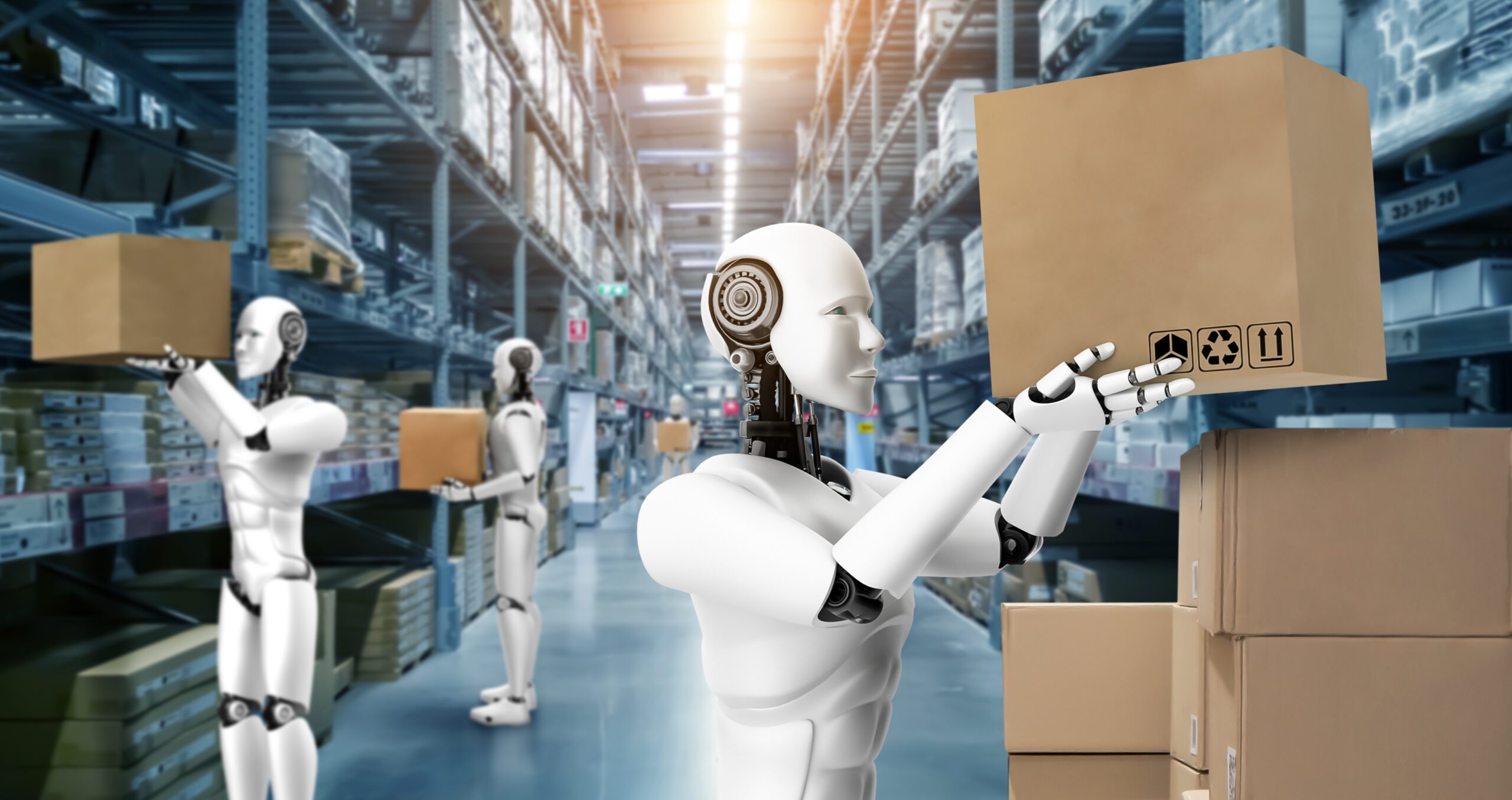
Lights out. Robots swarm like ants in a sugar rush — sorting, stacking, shipping sans sweat.
Gone: error-prone pickers fumbling labels. In: automated retrieval beasts zipping goods at warp speed. Efficiency? Skyrockets. Errors? Plummets. It’s mesmerizing — warehouses morphing into living organisms, pulsing with data.
AI-driven inventory? A crystal ball for stock. Real-time tracking nixes overbuys, slashes holding costs. Businesses hover at that sweet spot: just-enough, never-too-much. Waste? Ancient history.
Enthusiasm overload here — I’ve seen demos where bots predict a single screw’s need three weeks out. It’s not automation; it’s anticipation.
And sustainability? Huge. Less idle stock means lower emissions, greener ops. We’re talking planetary wins wrapped in profit boosts.
Why Does Route Optimization Feel Like Magic?
Traffic jam ahead? AI yawns, reroutes around it — factoring rain, rush hour, even geopolitical flare-ups.
Fuel savings: 15-20% easy. Delivery bliss for customers. Autonomous trucks? They’re rolling out, eyes everywhere via smart trackers.
Can AI Really Predict Demand Like a Psychic?
Psychic? Better. Historical data + trends = forecasts sharper than a chef’s knife.
Seasonal spikes? Nailed. Production tunes perfectly, waste withers. Businesses lean in, resources flow smart.
One caveat — data quality’s king. Garbage in, gospel out. But when clean? It’s prophetic.
Eyes everywhere. Shipments glow on dashboards, issues flagged pre-boom.
Suppliers sync, customers get ETAs that stick. Transparency? The glue holding mega-chains together.
Disruptions — pandemics, wars, quakes — AI’s the shield. Risks spotted, backups queued. “AI systems can identify potential risks and suggest alternative strategies,” they say, and damn if it doesn’t deliver.
For example, if a supplier faces delays, the system can recommend alternative sourcing options. This reduces dependency on a single supplier and ensures continuity of operations.
Faster pivots, unbreakable flows. Resilience isn’t luck; it’s coded.
Look, AI-driven supply chains aren’t tweaking margins — they’re the next internet for logistics, a platform birthing trillion-dollar efficiencies. Skeptics? They’ll eat crow as early adopters print money. The wonder? It’s here, humming in ports from Shanghai to Rotterdam. Strap in; the ride’s just starting.
🧬 Related Insights
- Read more: 1,300% Surge: The Obscure ETF Tracking Iran’s Strait of Hormuz Chaos
- Read more: Mediterranean Feeders Are Choking Again – And Your Imports Are Next
Frequently Asked Questions
What are AI driven supply chains? AI-driven supply chains use machine learning and automation to predict demand, optimize routes, manage inventory, and handle disruptions in real-time, making global logistics faster and more resilient.
How does AI improve supply chain efficiency? It analyzes massive data sets for insights humans miss, automates warehouses with robots, optimizes routes to cut fuel and time, and forecasts demand to minimize waste.
Will AI replace jobs in logistics? It’ll automate repetitive tasks like picking and basic routing, but create demand for AI overseers, data analysts, and strategists — net job shift, not wipeout.