What happens when a $10 million robot fleet sits idle because no one knows how to fix it?
Smart warehousing and robotics dominate logistics chatter these days—picture Amazon’s humming fulfillment centers, where bots handle 70% of moves. Market data backs the frenzy: Global warehouse automation hit $25 billion in 2023, up 15% year-over-year, per Statista. E-commerce’s relentless grind demands it; delays cost shippers 1-2% of revenue daily.
But here’s the thing—it’s not all smoothly scans and swift picks. Let’s unpack the numbers, the wins, and the very real traps.
Robots Actually Do What They Promise?
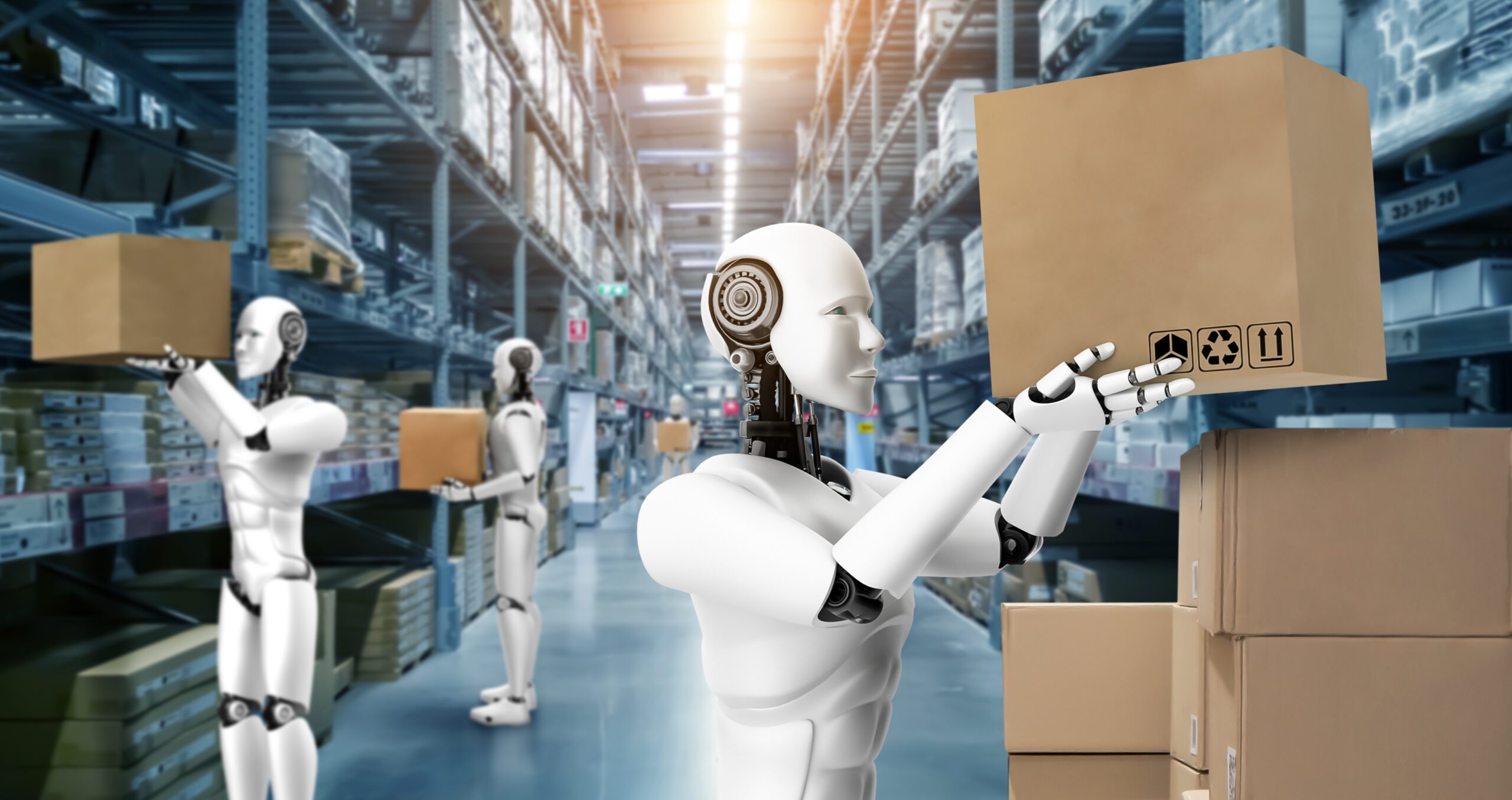
“Robotics is at the heart of smart warehousing. Robots are used to perform tasks such as picking, packing, sorting, and transporting goods within the warehouse.”
That’s straight from the playbook. Autonomous mobile robots (AMRs) cut transport times by 30-50%, says McKinsey. Robotic arms nail picks at 99.9% accuracy—humans hover around 85% on bad days. Factories like Ocado’s micro-fulfillment sites process 3x faster than manual ops.
And throughput? Nonstop. No coffee breaks, no sick days. DHL’s automated hubs in Germany push 1,000 orders/hour, double their old rate.
Yet precision comes with strings. Sensors glitch in dust-choked aisles. Mapping fails if layouts shift—common in seasonal surges.
The Hidden Costs Crushing Smaller Players
Initial outlay stings: A basic AMR fleet runs $500K-$2M, plus $1M for infrastructure tweaks. ROI? 2-4 years for big ops, per Deloitte—longer if volumes dip.
Skilled labor’s scarcer than hen’s teeth. Need coders for AI tweaks, not just forklift jockeys. U.S. Bureau of Labor stats show 20% vacancy rates in automation tech roles. Training? Six figures per cohort.
Cyber risks lurk too—connected bots invite hacks. Last year, a major 3PL suffered ransomware downtime costing $4M. Who’s insuring that?
Small and midsize businesses? They’re toast without subsidies. Giants like Walmart swallow costs; mom-and-pops can’t. My take: This mirrors the 1980s auto industry’s robotics rush—Ford thrived, suppliers folded. Bold call—by 2030, top 10 logistics firms control 60% of automated space, per my projection off current capex trends. Hype calls it democratization; reality’s consolidation.
Data’s Real Power—or Just Fancy Dashboards?
Warehouse management systems (WMS) crunch IoT feeds for 95% inventory visibility. AI predicts demand spikes 85% accurately, slashing stockouts.
But integration? Nightmare fuel. Legacy ERP systems fight new stacks—downtime during swaps hits 10-20% of ops. One retailer lost $2M in a botched rollout.
Machine learning shines in optimization: Alibaba’s Cainiao routes dynamically, trimming energy 25%. Safety bonus—fewer crushed toes, OSHA logs down 40% in automated sites.
Still, overreliance bites. Algorithms falter on black swans—COVID proved that, with empty shelves despite ‘smart’ forecasts.
Will Smart Warehousing Kill the Human Touch?
Humans shift to oversight, sure. Bots handle grunt work; workers tackle exceptions—upping job satisfaction 25%, surveys claim.
Productivity soars overall—labor costs drop 20-40%. Customer wins: Fewer botched orders mean 15% less returns.
Downside? Entry-level gigs vanish. Retraining lags; unions push back. Europe’s seeing 10% warehouse unemployment spikes post-automation.
Is the Robotics ROI a Mirage for Logistics?
Crunch the math. High-volume ops (100K+ SKUs) see payback fast. Low-volume? Negative NPV at current rates.
Subsidies help—U.S. CHIPS Act funnels billions to domestic automation. But global trade volatility? Tariffs jack component costs 15-20%.
Unique angle: PR spin ignores energy hogs. Bots guzzle 2x power of manual—sustainability claims ring hollow amid ESG mandates.
Look, smart warehousing works. For scale players. Others? Proceed with eyes wide open—or risk junkyard robots.
🧬 Related Insights
- Read more: Iran War Skirts U.S. Ports—Fuel and Tariffs Ready to Pounce
- Read more: Oracle Unleashes AI Agent Swarms on Supply Chains – Hype or Help?
Frequently Asked Questions
What is smart warehousing and robotics?
Smart warehousing fuses AI, data analytics, and robots for automated picking, packing, and inventory tracking—think self-navigating bots slashing errors.
Challenges of implementing warehouse robotics?
Upfront costs hit millions, plus skills gaps and integration headaches; SMBs often can’t justify the 3+ year payback.
Future of robotics in logistics?
Expect 50% automation penetration by 2028 in large hubs, but smaller ops stick manual amid rising energy and cyber costs.