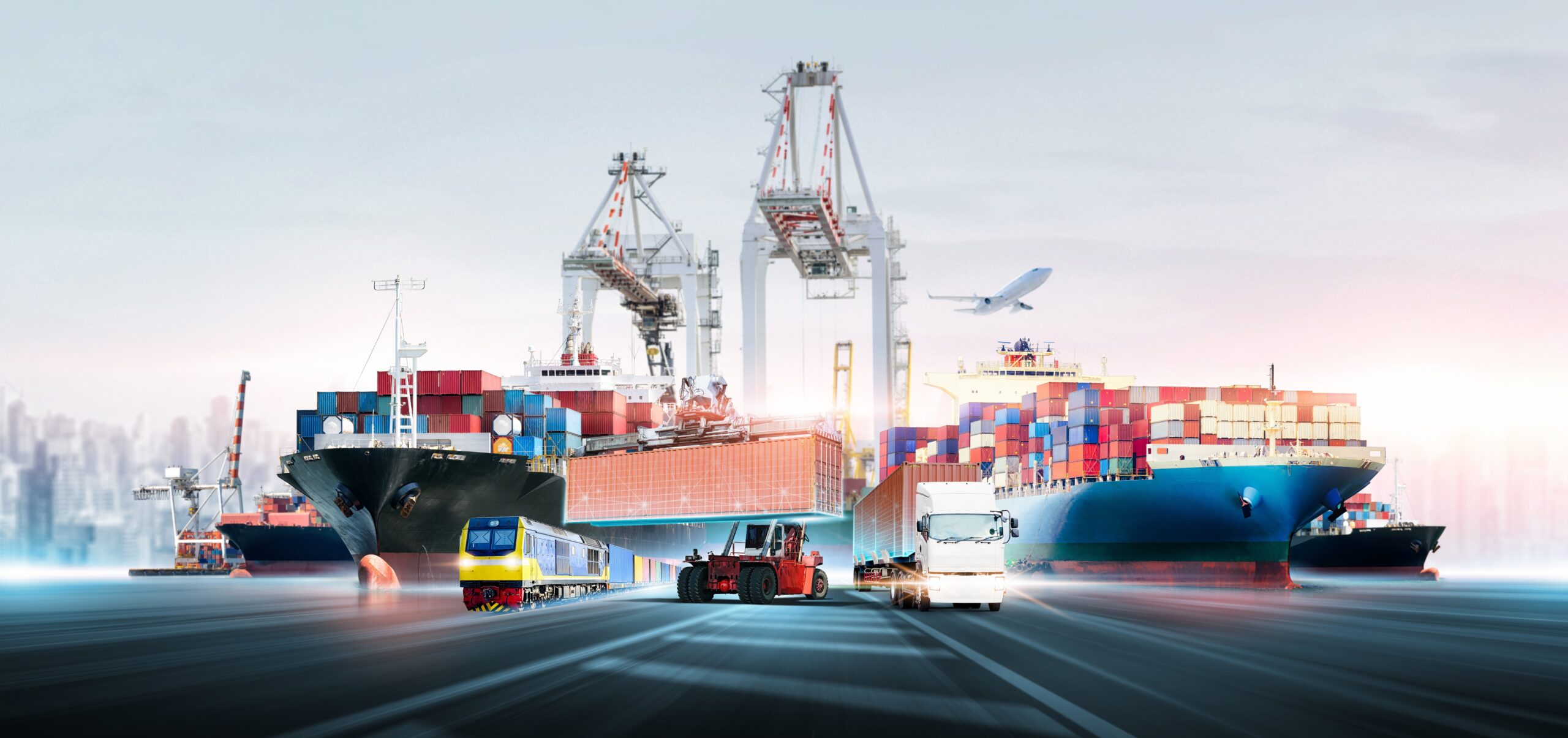
Everyone figured infrastructure development was the boring backbone of global trade—paved roads, deeper ports, faster rails to shuffle containers around. Predictable stuff, right? But here’s the twist: it’s not just enabling movement; it’s forcing a complete architectural overhaul of how we trade, slashing costs by double digits in some corridors while baking in digital brains and green imperatives that no one saw coming so fast.
Look, supply chains were already creaking under pandemic scars and tariff wars. Now, with ports in Singapore humming on AI schedulers and high-speed rails knitting Europe tighter than ever, the ‘how’ of trade is shifting from brute-force logistics to predictive, connected ecosystems. Why? Because without this upgrade, your widget from Shenzhen won’t hit Walmart shelves on time—or affordably.
Why Does Infrastructure Development Suddenly Matter More for Global Trade?
It’s the efficiency multiplier nobody talks enough about. Take ports: modern ones with automated cranes and blockchain manifests cut turnaround from days to hours. A World Bank study (yeah, that one) pegs it at 20-30% cost drops for exporters in upgraded hubs. But dig deeper—it’s the ‘why’ that bites.
Global trade volumes hit $28 trillion last year, per WTO stats, and they’re ballooning. Old infrastructure? Bottlenecks. Think Suez Canal jam 2021: $9 billion a day lost. New builds—like China’s Belt and Road ports in Pakistan—aren’t charity; they’re chess moves to lock in trade routes. And we’re not just talking physical. Digital overlays—IoT sensors on every truck—turn blind hauls into data goldmines.
But. Skeptical eye here: governments tout these as win-wins, yet half fizzle from corruption or overbuilds. Remember Greece’s ghost airports post-2004 Olympics?
“Well-developed infrastructure reduces transportation costs, improves connectivity, and enhances the overall efficiency of supply chains.”
That’s the original line—solid, but it misses the power play underneath.
Short para punch: Digital infrastructure is the real game-stealer.
How’s Digital Infrastructure Rewiring Global Trade?
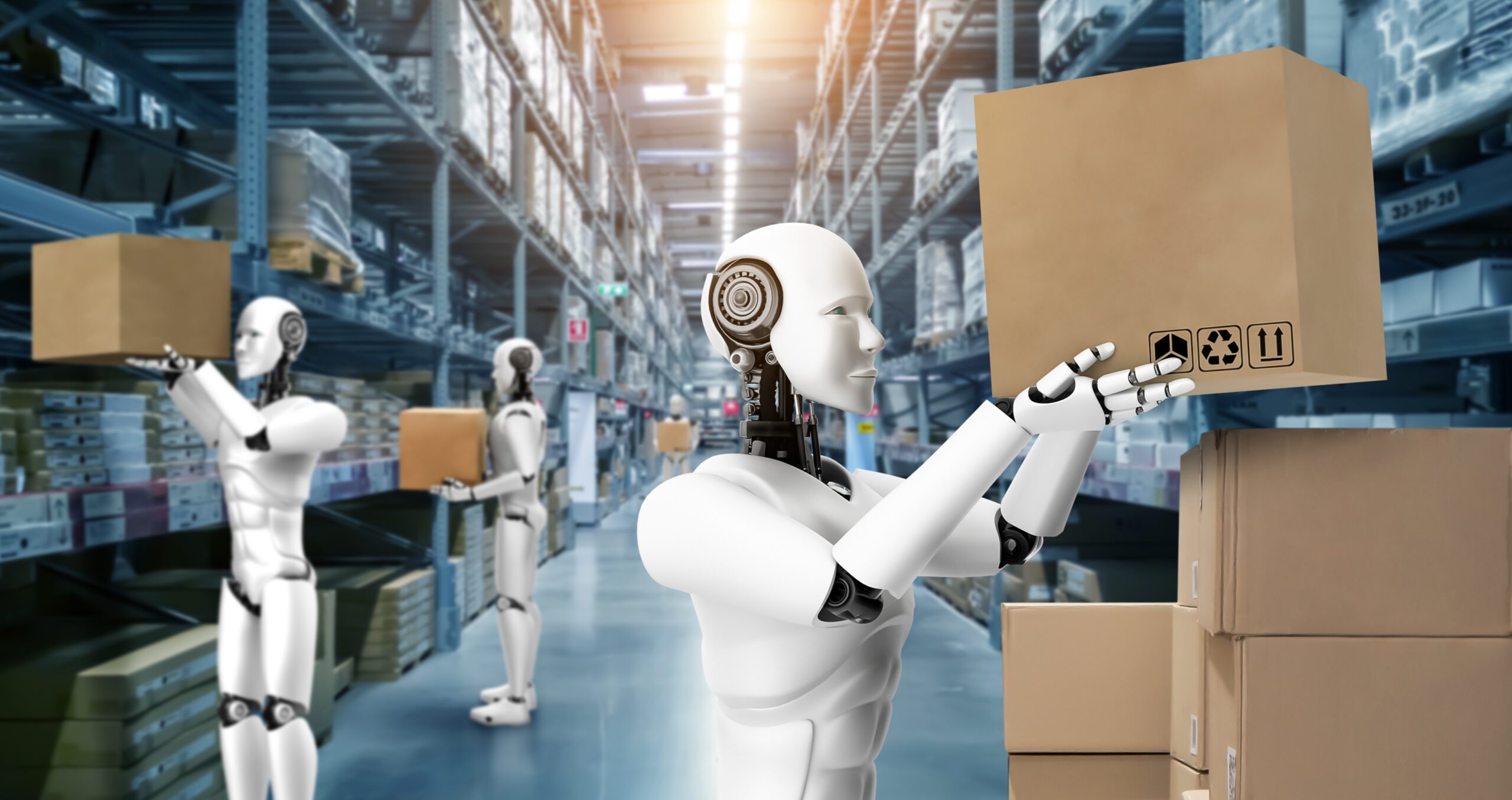
Forget fiber optics as side dish. Cloud analytics and real-time tracking aren’t add-ons; they’re the nervous system. Picture this: a container leaves Rotterdam, pinged every 15 minutes via satellite. Delays? Rerouted before you brew coffee. Why does it matter? Inventory sits idle less—working capital freed up by billions globally.
And the integration? Sprawling sentence alert: it’s where physical meets virtual in a mashup that’s turning lumbering supply chains into lithe, anticipatory beasts—predicting storms, dodging strikes, even pricing dynamically based on live freight rates—while legacy players (cough, some U.S. ports) lag, bleeding market share to nimble Asians. Medium thought: Businesses gain god’s-eye visibility, slashing ‘bullwhip’ effects where small demand hiccups cascade into shortages.
My unique spin—and this original piece glosses over it—echoes the 19th-century railway boom. Back then, tracks didn’t just move coal; they birthed national markets, standardized time zones, even consumer culture. Today’s infra? Same vibe. Predict this: by 2030, it’ll spawn ‘trade hyper-regions’—mega-clusters where AI-orchestrated flows make national borders trade relics.
One sentence: Costs plummet, but so do excuses for delays.
Infrastructure Development: Slashing Trade Costs or Corporate Hype?
Direct hit: better roads and rails trim transit times 15-25%, per IMF data. Goods arrive fresher, cheaper—exporters in Vietnam undercut Thai rivals overnight. Damage? Halved with climate-controlled hubs. But call out the spin: everyone’s cheerleading PPPs (public-private partnerships) like they’re magic. Reality? They’re Band-Aids on trillion-dollar gaps. Developing nations borrow big from China, end up in debt traps—see Sri Lanka’s port handover.
Expansion angle. Remote markets? Unlocked. Ethiopia’s rail to Djibouti ports tripled coffee exports. Regional ties? Africa’s AfCFTA pact leans hard on cross-border highways. Yet challenges loom—massive.
So, hurdles. Funding? Eye-watering. A single deep-water port: $5-10 billion. Execution? Red tape city—India’s Sagarmala project, 800+ initiatives, mired in approvals. Sustainability? The elephant. Concrete jungles spew CO2; green infra (electric rails, solar ports) costs 20% more upfront but pays eternal dividends.
Can Public-Private Partnerships Actually Deliver?
They’re the rage. Governments fund the dirt; privates bring drones and bots. Wins: UK’s HS2 rail, speeding trade north-south. But critique time: too often, it’s risk dumped on taxpayers when projects sour. Bold prediction: Watch for ‘infra-as-a-service’ models—subscription logistics where firms pay per container, not build outright. Shifts everything.
Wrapping the deep dive — not neatly, because trade won’t be. Infrastructure development isn’t peripheral; it’s the hidden hand dictating winners in global trade’s next act. Ignore it, and your chain snaps.
🧬 Related Insights
- Read more: Truckstop.com Bets Big on Heavy Haul with Wize Load Buyout
- Read more: Trump’s Steel Tariffs Blindside European Machinery Giants Overnight
Frequently Asked Questions
What is the impact of infrastructure development on global trade costs?
Cuts transport by 20-30% via faster routes and tech, making exports competitive—think lower prices for consumers worldwide.
How does digital infrastructure change supply chains?
Real-time tracking and analytics predict disruptions, turning reactive logistics into proactive powerhouses.
What are the biggest challenges in infrastructure development for trade?
Funding shortfalls, regulatory delays, and green mandates—balancing growth without wrecking the planet.