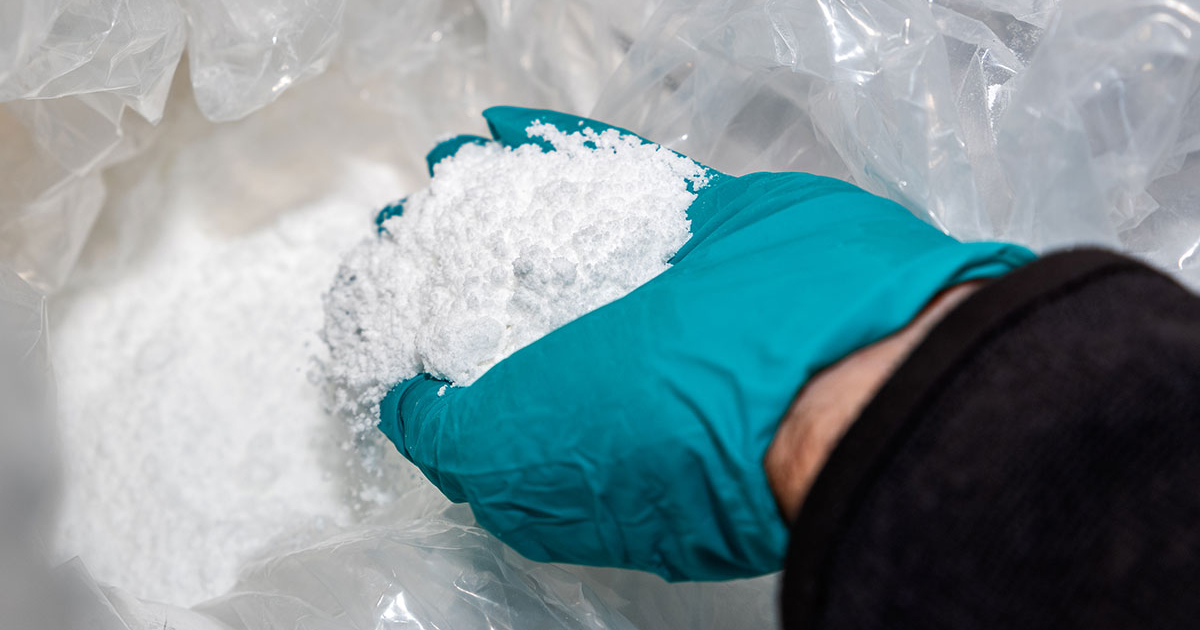
The numbers are in. The U.S. Geological Survey (USGS) has flagged substantial lithium deposits in the Appalachian region. This isn’t just some feel-good story; it’s data that could, theoretically, shift the entire EV battery landscape. Think American energy independence, but for your electric car. Sounds great, right?
Let’s talk about what this actually means. The USGS report points to the potential for over 6 million metric tons of lithium in shale formations across several states. That’s… a lot. Enough, perhaps, to slake the thirst of our burgeoning electric vehicle industry, which is currently a ravenous beast with a global supply chain riddled with geopolitical potholes and environmental headaches. So, on paper, it’s a win.
But here’s the kicker: Potential is a word that executives love to hear. It’s vague. It’s exciting. It’s also about as concrete as a cloud. We’re talking about extracting lithium from shale, which is… not exactly a walk in the park. This isn’t like finding a gold nugget in a stream. It’s buried deep, mixed in with rock that’s notoriously difficult and expensive to process. Companies like Appalachian Lithium (hence the report’s title, naturally) are already trying to crack this nut, but the technology for economically viable, environmentally sound shale lithium extraction is still in its infancy. Infancy, I tell you.
Is This the Holy Grail for EV Batteries?
Spoiler alert: Probably not. Not yet, anyway. The sheer scale of the potential deposits is impressive, no doubt. But the path from a USGS report to a humming battery factory powered by domestic lithium is long, winding, and littered with exorbitant costs and regulatory hurdles. We’ve seen this movie before. Promising resource discoveries often get bogged down in the grim reality of extraction, processing, and, let’s not forget, the environmental impact. Extracting lithium from shale, particularly using methods like direct lithium extraction (DLE), is complex. There are questions about water usage, potential contamination, and the energy required to even get the lithium out. These are not minor details; they are deal-breakers.
This USGS data is like finding a treasure map with an ‘X’ marking a spot guarded by dragons and a riddle written in ancient Sumerian. Exciting, yes. Immediately useful? Hardly.
“The Appalachian Basin contains a significant lithium resource that, if economically recoverable, could support domestic electric vehicle battery manufacturing.”
See that “if”? That’s the sound of corporate PR trying to inject a dose of optimism into a very, very tough problem. It’s a classic bait-and-switch. Look at the exciting number! Now forget the massive ‘if’.
This isn’t to say it’s impossible. Technological advancements are happening. And the pressure to onshore critical mineral supply chains is immense. Governments are practically throwing money at companies willing to explore domestic sources. But we need to be realistic. The United States has tried to engineer its way out of supply chain dependencies before. Sometimes it works. More often, it’s a costly, drawn-out affair that ends with us still relying on imports, just with a slightly more expensive domestic option that can’t compete on scale or price.
When Will This Lithium Actually Power Our Cars?
Let’s be clear: this isn’t happening next year. Or even the year after. Developing the infrastructure, perfecting the extraction techniques, scaling up production – this all takes time. Years. Decades, potentially. And that’s assuming everything goes swimmingly, which, in the world of resource extraction and cutting-edge technology, is about as likely as finding a politician who tells the unvarnished truth. The companies involved will need massive investment, and even then, they’re up against established, cost-effective global players. The geological hurdles alone are immense. The economic viability is still a giant question mark, hanging over every investor pitch. Don’t expect your next EV to be powered by Appalachian shale just yet. Think of this as a long-term, uncertain, and expensive gamble.
The USGS report is a starting gun for research, not a finish line for supply. It highlights potential, a promise. But the real work – the messy, expensive, technologically challenging work – is just beginning. And the odds are stacked against it being a quick or easy win.