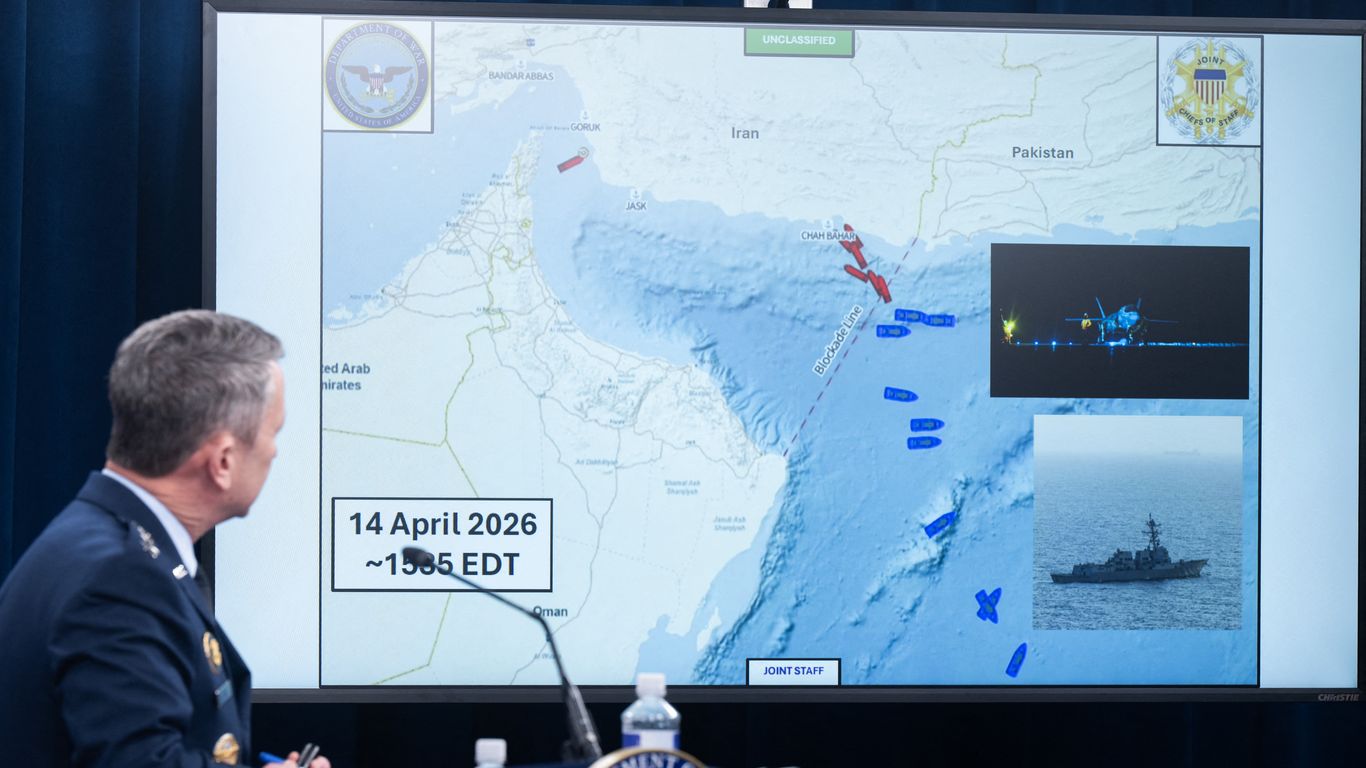
Missiles streak across Ukrainian skies, oil prices spike again, and the IMF just dropped its gloomiest forecast in years. War—it’s not some distant rumble anymore; it’s the wrecking ball smashing through 2024’s economic projections.
The Fund’s World Economic Outlook update paints a brutal picture: global growth trimmed to 3.2% for this year, down from earlier hopes, with inflation refusing to budge below target in most places. And it’s not just numbers on a page—these shifts are forcing central banks and governments to rethink everything from interest rates to trade deals.
Why Is the IMF Slashing Growth Forecasts Now?
Look, wars don’t respect borders. Russia’s invasion of Ukraine—now grinding into year three—has supercharged energy costs, while escalating tensions in the Middle East threaten to choke off key oil routes. The IMF’s chief economist, Pierre-Olivier Gourinchas, didn’t mince words: “The balance of risks to global growth is now tilted to the downside.”
That’s straight from the report. Downside risks. Meaning, expect more pain if conflicts drag on. Advanced economies might squeak by with 1.7% growth, but emerging markets? They’re staring down higher borrowing costs and disrupted commodity flows. Supply chains, already frayed from COVID, now face a double whammy: geopolitical fragmentation and protectionist policies on the rise.
Here’s the data drill-down. Global headline inflation? Projected at 5.9% this year, easing to 4.5% in 2025—but that’s assuming no further shocks. Energy prices have stabilized somewhat, yet food inflation lingers, hitting low-income households hardest. And trade? Forget globalization’s glory days; we’re seeing a world splitting into blocs, with China-U.S. tensions accelerating the decoupling.
But—and this is my sharp take, absent from the IMF’s measured tone—it’s echoing the 1970s oil crisis playbook. Back then, Yom Kippur War sparked embargo, inflation soared to double digits, and stagflation gripped the West. Today’s wars aren’t identical, but the parallels scream caution: policymakers underestimated persistence then, and they’re flirting with the same blind spot now. If Middle East flares up, we’re not talking mild revisions; we’re talking recessionary headwinds that could shave another 0.5% off GDP.
A single sentence: Central banks won’t cut rates as fast as markets hope.
How Does War Reshape Supply Chain Priorities?
Supply chain execs, pay attention—this is your wake-up call. The IMF flags trade policy uncertainty as a top villain, with tariffs and export controls multiplying. Think semiconductors, rare earths, critical minerals: all now battlegrounds in the U.S.-China rift.
Fragmentation isn’t hype; it’s math. The report notes a 10-15% drop in potential trade volumes if blocs harden—reshoring booms, nearshoring to Mexico or Vietnam surges, but at a cost. Efficiency? Down. Prices? Up. And for global trade hubs like Europe, it’s dire: Germany’s export machine sputters amid cheap Russian gas cutoff, forcing a scramble for LNG terminals that won’t come cheap or quick.
“Geopolitical tensions and trade restrictions are leading to a more fragmented global economy, with implications for growth and inflation,” the IMF states plainly.
They’re not wrong. But let’s call out the PR gloss some multinationals peddle—“resilient supply chains” sounds great in earnings calls, yet IMF data shows vulnerability metrics worsening. Take autos: chip shortages redux, now layered with battery metal wars. Or shipping: Red Sea attacks have rerouted vessels, adding 10-20% to Asia-Europe transit times. That’s not resilience; that’s reactive chaos.
Zoom out to policy pivots. Governments are ditching fiscal austerity for security spending—NATO budgets ballooning, U.S. CHIPS Act pouring billions into domestic fabs. Smart? In parts, yes. But it risks inflating deficits when debt-to-GDP ratios already flirt with 100% in majors. The IMF urges “targeted fiscal support” over blanket stimulus, a nod to avoiding 1970s mistakes.
And emerging markets? Brutal. Sub-Saharan Africa growth at 4.2%, but debt distress looms for 20+ countries. Commodity exporters ride high oil, yet importers drown in costs. China’s property slump drags on regional demand, turning factory Asia into a question mark.
Prediction time—my bold addition: By 2026, we’ll see supply chain iron curtains, formal trade alliances splitting North-South lines. Europe-leaning blocs versus BRICS-plus. Efficiency losses? Easily 1-2% of global GDP annually, per my back-of-envelope from IMF models. Companies ignoring this now will bleed market share to agile adapters.
Short para for punch: Inflation’s sticky. Growth’s shaky. Wars endure.
Markets shrugged off the report—S&P up 0.5% post-release—but that’s complacency. Bond yields ticked higher, signaling rate-cut dreams deferred. For investors, it’s a pivot to defensives: utilities, gold, maybe select EM debt if you’re brave.
But here’s the supply chain angle Supply Chain Beat readers crave. Procurement teams: diversify now, beyond China at all costs. Logistics? Hedge fuel with long-term charters. Warehousing? Regionalize inventory to cut exposure. The IMF’s not yelling fire, but the smoke’s thick—ignore at peril.
Can Central Banks Tame This Mess?
Powell, Lagarde, Kazaks—they’re boxed in. Higher-for-longer rates to fight inflation, yet growth demands relief. The IMF projects Fed funds at 4.25% by end-2025, ECB similar. No victory laps soon.
Fiscal policy gets a remix too: from green transitions to defense bulks. Europe’s REPowerEU? Noble, but €300B price tag strains budgets. U.S. IRA subsidies spur manufacturing, yet global spillovers are messy—boosting China’s solar dominance ironically.
One wild card: AI and productivity. IMF hints at upside if tech delivers, but wars sap investment. Skeptical? Me too—geopolitics trumps code every time.
Final thought, messy as real analysis gets: This isn’t transient noise. It’s the new normal. Adapt or atrophy.
🧬 Related Insights
- Read more: Diesel Apocalypse Hits Europe’s Freight Lifelines
- Read more: $130 Billion Tariff Refund Frenzy Hits Supply Chains as Trade Walls Rise
Frequently Asked Questions
What does the IMF say about global growth in 2024? 3.2%, down from prior forecasts, with downside risks from wars and trade tensions.
How are wars impacting supply chains? Disrupted energy and trade routes, higher costs, forcing reshoring and fragmentation.
Will inflation come down soon? Not fast—5.9% this year, lingering above targets due to persistent shocks.