China’s flexing hard on Panama ports.
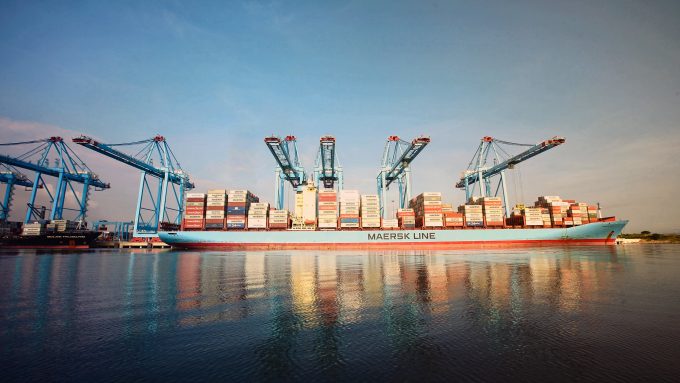
And it’s not subtle. The Financial Times reports that Beijing has directly instructed Maersk and MSC — two of the world’s biggest container shipping outfits — to drop their operations at Panama’s ports. We’re talking about stakes in key terminals at Balboa and Cristobal, hubs that handle a chunk of the 14 million TEUs flowing through the canal yearly. This isn’t some quiet divestment; it’s a mandate from the top, tied to China’s soured ties with Panama after the latter ditched Taiwan for Beijing in 2017. Expect ripples across global trade routes — because when China meddles in chokepoints like this, everyone feels the squeeze.
Why Is China Targeting Panama Ports Now?
Look, Panama flipped diplomatic recognition from Taiwan to China seven years back, handing Beijing a strategic win in Latin America. But here’s the rub: China still suspects Panama of cozying up too much to the U.S., especially with American warships eyeing the canal. Fast forward — or rather, don’t use that phrase — and you’ve got this edict. Sources close to the matter (per FT) say Chinese state firms like Hutchison Ports and Shanghai International Port Group are circling the assets, ready to snap them up. Maersk’s been offloading its stake anyway, but MSC? They’re dragging feet, which might explain the heavy-handed push.
It’s classic geopolitical chess. China wants control over canal-adjacent infrastructure to safeguard its massive shipping volumes — Panama handles 5% of global trade. But forcing out European giants? That’s a signal: play by our rules or get sidelined.
“China has told Maersk and MSC to withdraw from their port operations in Panama,” an FT source familiar with the discussions said. “This is part of a broader strategy to consolidate control over key maritime assets.”
Damn right it is. And it echoes the 1999 U.S. handover of the canal — remember how China scooped up Hutchison’s leases back then? History rhyming, but with sharper elbows this time.
Does This Hurt Maersk and MSC’s Bottom Line?
Short answer: not fatally. Maersk’s already in wind-down mode on its 23.5% stake in the Panama Ports Company, valued at around $1 billion. They’ve been trying to sell since 2022, citing non-core distractions. MSC, with a smaller 23% slice alongside CK Hutchison, might take a hit — but these firms rake in $100 billion+ combined annually. Ports are peanuts next to their vessel fleets.
But. Here’s my unique take, absent from the FT piece: this accelerates the deglobalization dividend for shipping CEOs. Maersk’s CEO Vincent Clerc has banged the drum on nearshoring; now China’s shove hands him a clean break from a politically radioactive asset. Prediction? MSC flips it to a Chinese buyer by Q2 2025, books a tidy profit, and pivots to friendlier ports in Southeast Asia. Market dynamics favor it — container rates are up 50% YoY on Red Sea chaos. They’re not crying over spilled TEUs.
Skeptical lens: Is this corporate hype from the firms downplaying it? Sure smells like it. “Strategic review,” they call it. Beijing’s boot feels more honest.
Panama’s sweating bullets. The canal generates 6% of its GDP, and losing Western operators risks U.S. backlash — think sanctions whispers from Congress. President Mulino’s admin is mum, but privately? Panic mode. China now owns 60%+ of the ports via Hutchison; full control looms.
What Happens to Global Supply Chains?
Chaos, potentially. Panama Canal’s a linchpin — drought cut transits 36% last year, spiking rates. China dominating ports amps risks for U.S.-bound cargo, especially with tariffs looming under Trump 2.0. Shippers reroute via Suez? Nope, Houthi drones say otherwise. Rail across Mexico? Building, but years out.
And don’t forget the Belt and Road angle. China’s pouring $100 billion into Latin ports; this is exhibit A. U.S. firms like SSA Marine might fill voids, but Beijing’s grip tightens the noose on neutral trade hubs.
One punchy fact: 40% of U.S. container imports snake through Panama. Disrupt that, and Walmart shelves empty faster than you can say “inventory glut.”
But here’s the thing — savvy chains are diversifying. Vietnam’s up 20% in U.S. imports; Mexico’s humming. China’s move? It fast-tracks resilience, even if it stings short-term.
Supply Chain Beat’s verdict: Smart play for Beijing long-term, but risky. Overreach invites countermeasures — Japan, EU sniffing around alternatives. Maersk, MSC? They shrug and sail on. The real losers? Neutral players like Panama, caught in superpower crossfire.
🧬 Related Insights
- Read more: Data Center Bans Loom — And Panama’s Drying Up Just in Time to Ruin the Cargo Rush
- Read more: Unilever-McCormick: Supply Chain’s Ultimate Stress Test
Frequently Asked Questions
What does China’s order mean for Panama Canal traffic?
Expect smoother ops for Chinese lines like COSCO, but higher scrutiny for others. No immediate shutdowns, though tensions could hike fees 10-15%.
Will Maersk and MSC lose money on the Panama exit?
Minimal hit — assets were non-core. Expect $500M+ in sale proceeds, reinvested in green fleets.
How does this affect global shipping rates?
Upward pressure short-term; rerouting adds $1,000 per FEU. Long-term, diversifies risk away from chokepoints.