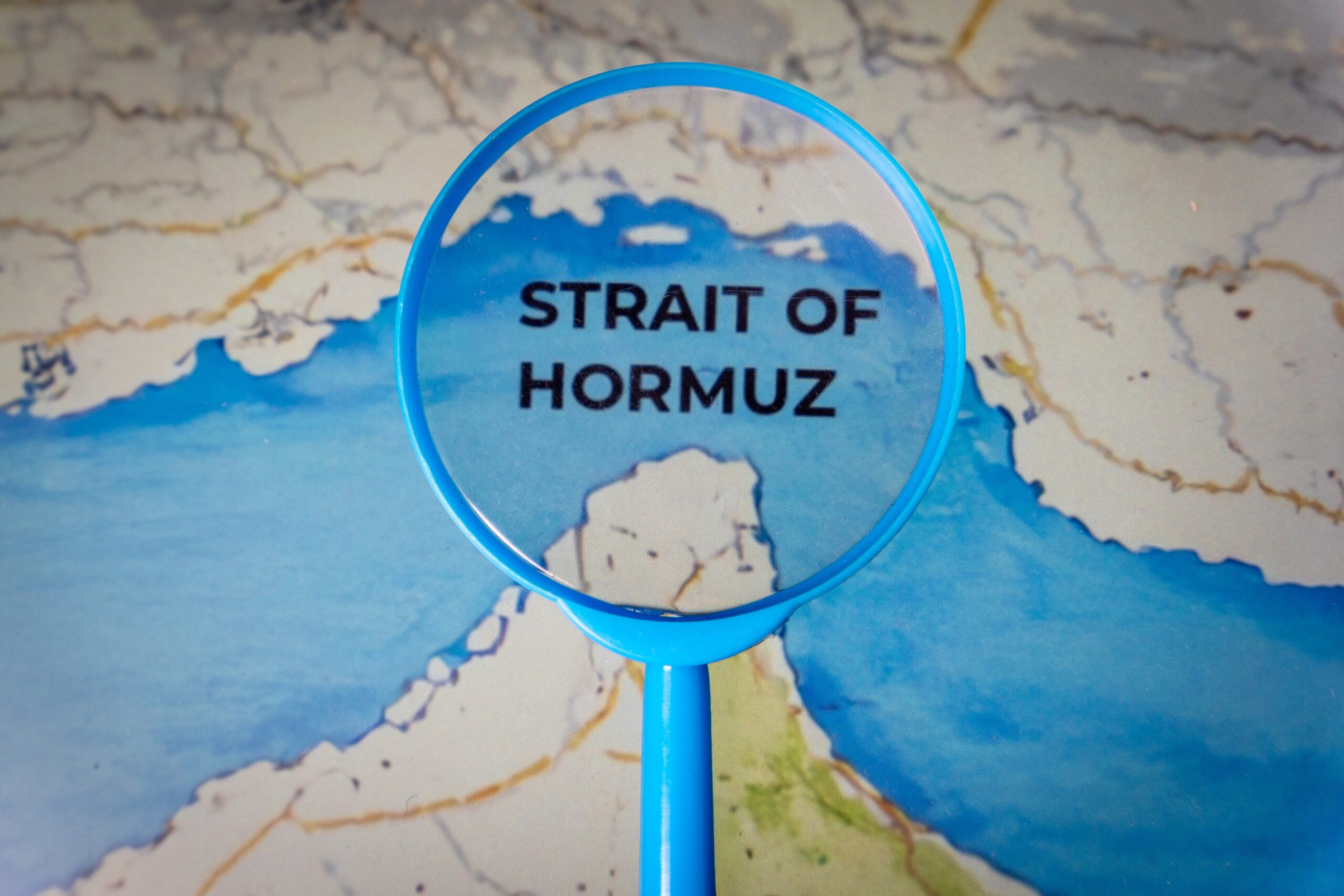
What if the artery pumping 20% of the world’s oil suddenly turned into a floating graveyard?
Iran’s IRGC navy did exactly that this week—laying fresh mines in the Strait of Hormuz, per a U.S. official and an insider. We’re talking the chokepoint where supertankers squeeze through 21 miles of Iranian-controlled water, now a minefield in a war that’s already gutted global oil flows.
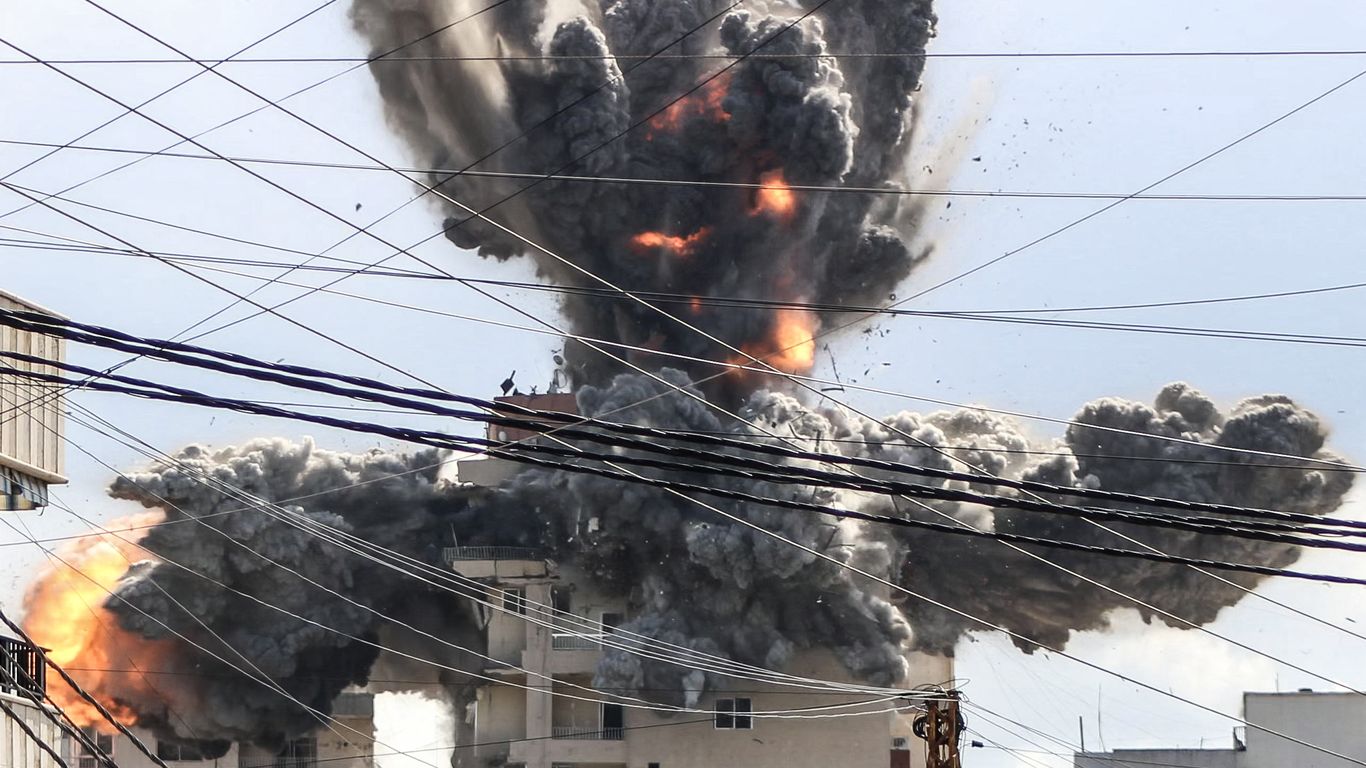
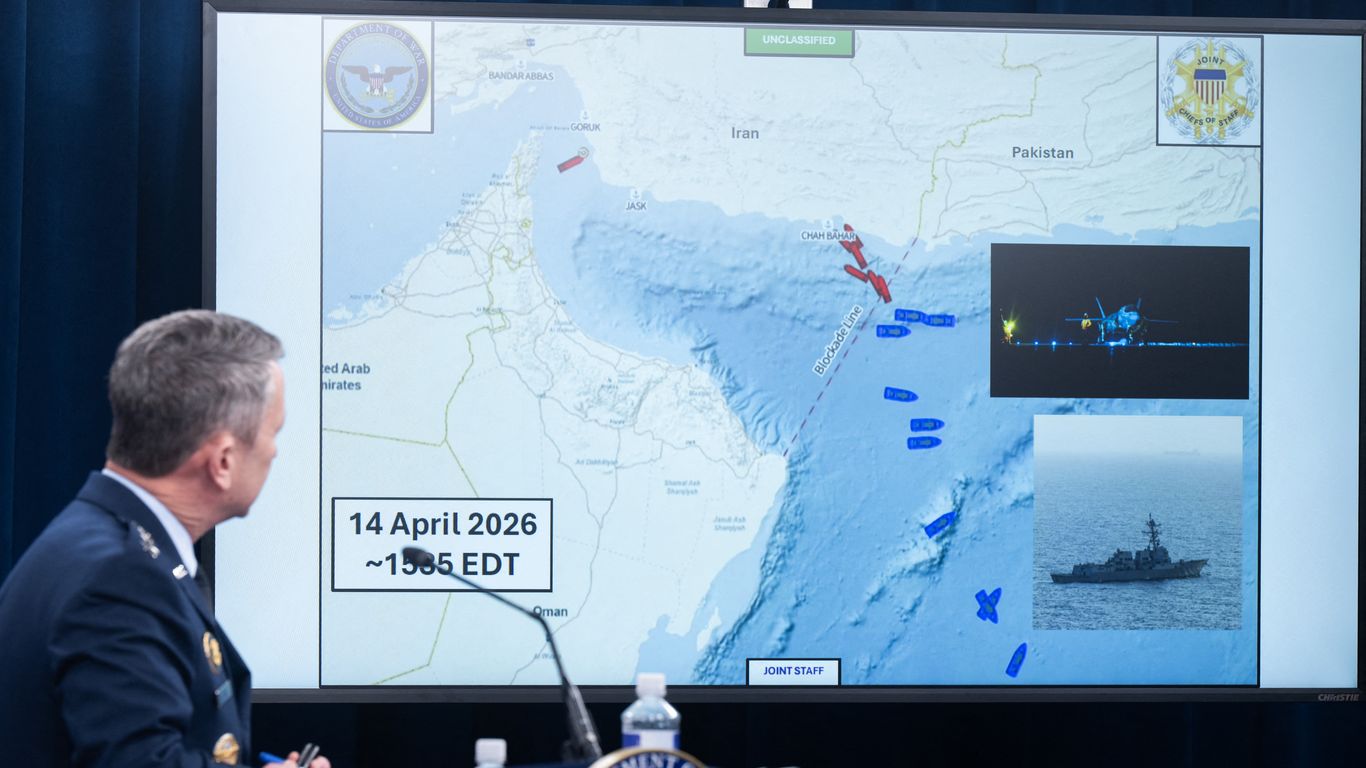
Here’s the thing. This isn’t some rogue stunt. It’s escalation in a standoff that’s rewritten energy logistics overnight. U.S. Navy’s tightening the noose with a blockade; Iran’s hitting back with mines and speedboat attacks. Oil traffic? Down from 100+ ships a day to single digits. The International Energy Agency’s calling it the largest supply disruption ever—bigger than the ‘73 embargo that quadrupled prices.
And Trump? He didn’t mince words on Truth Social Thursday: ordered the Navy to “shoot and kill” any Iranian mine-layers, no hesitation.
“Shoot and kill any Iranian boats laying mines with no hesitation.”
That’s the president, raw and unfiltered. But let’s peel back the layers—why now, and how does this upend supply chains?
How Iran’s Fishing Boats Turned into Mine Machines
Small. Nimble. Deadly.
Gashti vessels—think fishing boats on steroids—each haul 2-4 mines, drop ‘em quietly, then vanish. Iran’s got scores left, even after U.S. strikes trashed 90% of their big mine-layers at war’s kickoff. Experts pegged prior mines under 100; now? U.S. knows the new tally but ain’t spilling.
Look, these aren’t high-tech. But in a strait that’s already a deathtrap—shallow, narrow, Iranian missiles lurking—they don’t need to be. One bump, and boom: tanker crippled, oil spewing, insurance rates to the moon. We’ve seen it before; remember the ’80s Tanker War? Iraq and Iran mined the Gulf, sank hundreds of ships, spiked prices 200%. History rhymes hard here—my unique take: this is ’80s redux, but with drones and Trump’s Twitter finger on the trigger. Corporate oil giants spin ‘diversified routes,’ but that’s PR fluff; Hormuz is irreplaceable short-term.
U.S. intel tracked the whole op. White House zipped it on details. CENTCOM’s rerouted 33 vessels since blockade started.
Why Oil Supply Chains Are Screwed—And for How Long?
Traffic’s collapsed. 20% of seaborne oil? Zilch most days.
Supertankers idle in the Gulf of Oman, waiting for escorts or miracles. Refineries from Rotterdam to Singapore ration crude; chemical plants scramble for feedstock. It’s not just fuel—plastics, fertilizers, the works. IEA’s warning of shocks dwarfing OPEC’s glory days isn’t hyperbole; models show $150/barrel if this drags.
But here’s the architecture shift: supply chains were brittle, optimized for cheap peacetime flows. Now? They’re fracturing. LNG carriers detour around Africa—adding weeks, billions in costs. Asia’s importers (China, India) hoard; Europe’s begging U.S. shale. Prediction: we’ll see ‘fortress logistics’ emerge—stockpiles in secure hubs, AI-routed backups via pipelines from Azerbaijan. Iran’s bet? Force talks or crash the West’s economy. U.S. counter? Triple mine-hunting.
USS George H.W. Bush just rolled in—third carrier in theater. Gives Trump options if he green-lights resumption.
Can the U.S. Actually Clear These Mines?
Underwater drones humming. USS Chief, USS Pioneer hunting. Special helos dipping sonar. Trump demands “tripled up” effort.
Experts scoff—strait’s perilous, Iranian fire everywhere. First mine wave? Maybe not all cleared. This round complicates it.
So, why does this matter for supply chain pros? Because Hormuz isn’t abstract—it’s your diesel prices, your container delays, your boardroom panic. One clogged artery, and global trade gasps.
The IRGC’s playing asymmetric chess with rowboats. U.S. responds with carriers. Oil markets? In freefall.
But wait—Trump’s rhetoric masks a deeper why: election-year flex. Sources whisper he’s eyeing a quick win to spike prices, blame Iran, rally bases. Skeptical? Me too; wars don’t end tidy.
🧬 Related Insights
- Read more: What is Demand Forecasting?
- Read more: Norway’s 97% EV Win: Cheap Rides, Crowded Roads
Frequently Asked Questions
What does Iran’s new mining in Strait of Hormuz mean for oil prices?
Expect surges past $120/barrel short-term; prolonged blockade could hit $200 if traffic stays dead.
How many ships pass through Strait of Hormuz daily now?
Single digits most days, versus 100+ in peacetime—20% of global oil flow halted.
Will US Navy clear the mines quickly?
Doubtful; strait’s narrow, Iran’s attacking, prior mines linger—could take weeks amid risks.