Oil tankers idled off Hormuz, their captains eyeing radar screens, while Wall Street traders hit sell.
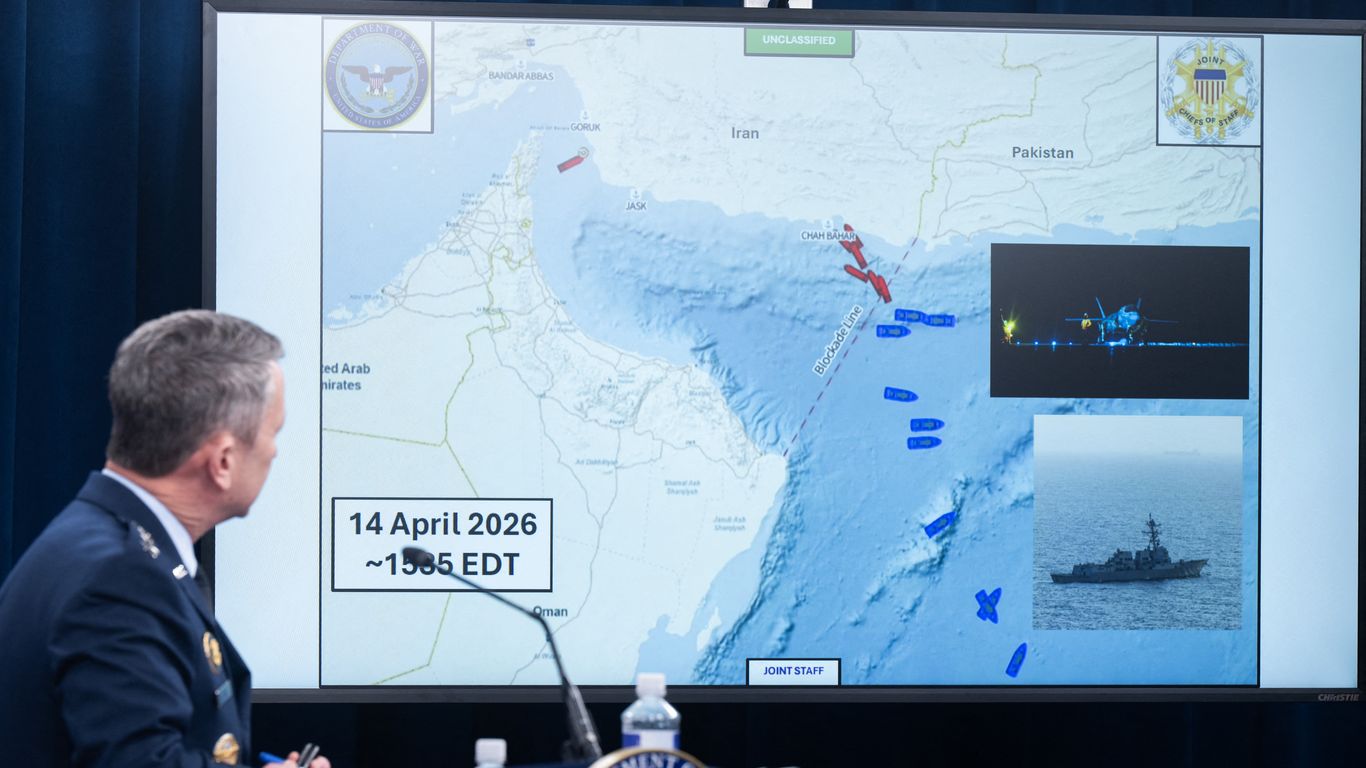
That’s the scene unfolding right now, as the Strait of Hormuz deadline from the US president collides with Iran’s grip on the world’s oil jugular. Twenty percent of global crude flows through this 21-mile-wide pinch point — close it, and supply chains choke.
Markets didn’t wait for fireworks. Afternoon trading saw consumer discretionary names crater: Lucky Strike down sharp, Latham’s leisure gear sliding, The Real Brokerage tumbling in real estate services, Marriott Vacations packing losses. Oil? It rocketed to multi-year highs, because investors hate uncertainty — especially when it smells like military drums.
According to a report from Yahoo Finance, a decline in several stocks occurred during afternoon trading following heightened geopolitical concerns. The President of the United States established a deadline for Iran to reopen the Strait of Hormuz, a key maritime route for oil transport.
But here’s the thing — this isn’t just ticker tape drama. It’s a stress test for supply chain architecture.
Why Does the Strait of Hormuz Deadline Scare Supply Chains?
Look, most folks picture supply chains as warehouses and trucks. Wrong. The real backbone? Energy. And Hormuz funnels Saudi, Iraqi, UAE crude to refineries worldwide — Asia, Europe, even US coasts.
Miss the deadline? Iran could mine it, seize tankers (they’ve done it before), or worse. Remember 2019? Drone strikes on Saudi plants, tankers afire — oil jumped 15% overnight. Freight rates spiked as insurers jacked premiums, reroutes via Cape of Good Hope added weeks and fuel burn.
Shippers already whisper about it. Low traffic under Iranian watch in 2026? That’s no typo — future filings hint at prolonged squeezes. Costs cascade: diesel up 20%, air freight balloons, factories idle waiting for plastic pellets derived from that very crude.
And the sneaky part? Inflation. Businesses pass on fuel hikes — poof, your widget costs more, consumers balk, growth stalls. We’ve seen it: 1973 embargo, lines at pumps, stagflation nightmare. My unique take? This deadline echoes that — but with modern twists. Unlike ‘73’s full cutoff, today’s threat is hybrid: drones, cyber, proxies. Supply chains built for just-in-time? They’re glass-jawed.
Real estate feels it first, oddly. The Real Brokerage? Shares volatile as hell — big swings past year.
Which Stocks Tanked — And What’s the Real Story?
Lucky Strike, leisure spots — folks cut vacations when gas hits $5/gallon.
Latham, pool toys and such — same vibe, discretionary spend evaporates.
Marriott Vacations? Travel’s first casualty in cost crunches.
But zoom on The Real Brokerage. Down since year-start, below last peak. Five-year holders still green, though. Market shrugged this dip as noise, not death knell — especially after Senate’s housing bill juiced them earlier. Transactions up, agents swelling.
Yet here’s my skepticism: company’s PR spins growth tales amid sector deals. But Hormuz wildcard? It amplifies everything. Higher rates from oil-fueled inflation kill affordability dreams. That bipartisan bill? Cute, but geopolitics trumps D.C. photo-ops.
Broader sector buzzed with M&A then. Now? Frozen.
Short punch: Volatility’s baked in.
Supply chains reroute mentally already. Maersk, others stockpile fuel hedges. Chinese firms eye Russian crude pipelines — pivot city.
But costs? Brutal. A 10% oil pop adds $50 billion to global shipping yearly, per some models. That’s not hype; it’s math from BIMCO data.
What If Iran Calls the Bluff?
Deadline passes unmet — then what? US Navy twitches, carriers steam in. But Iran plays asymmetric: speedboats, missiles, not battleships.
Historical parallel I see overlooked: 1980s Tanker War. Iraq-Iran slugfest shut Hormuz partially — rates quadrupled, insurance 10x. OPEC dipped output; recession bit.
Today? Worse interlinks. Semis from Taiwan, EVs from China — all oil-thirsty in transit. Last-mile delivery? Diesel semis idle at ports.
Bold prediction: If closed a month, we’d see supply chain bifurcation. West sources Venezuelan heavy sour (yuck, dirtier), Asia doubles LNG. But premiums? 30% logistics inflation easy.
Corporate spin? Oil majors like Exxon mouth ‘diversified,’ but their models assume open seas. Call it out — that’s PR fog.
Investor apprehension centered on military action, sure. But underlying shift: chokepoints weaponized forever now. Panama, Suez — all vulnerable. Architects must build redundancy: multi-modal, stockpiles, nearshore.
Dense reality check. Strait traffic low under Iran control? 2026 projections already bake caution.
So, chains adapt — or snap.
🧬 Related Insights
- Read more: Project44 Gobbles LunaPath.ai: Second AI Bet in Four Years
- Read more: $70M Federal Lifeline for Port of LA: Dredging, Seismic Fixes, and a $6B Backlog
Frequently Asked Questions
Will the Strait of Hormuz closure crash global supply chains?
Not crash outright, but hike costs 15-25% via fuel and reroutes — think delays like Suez 2021, but oil-flavored.
How does Iran Strait deadline affect stock market?
Triggers selloffs in discretionary, travel, real estate — oil up means inflation fears down the line.
Is The Real Brokerage stock a buy after this dip?
Volatile, long-term holders up over five years, but geopolitics adds wildcards — watch housing bills vs. oil shocks.