What if the next Arab-Israeli flare-up doesn’t just kill people—it strangles your holiday shipments through the world’s oil jugular?
Look, I’ve chased Silicon Valley hype for two decades, but nothing preps you for the cold calculus of geopolitics slamming supply chains. Netanyahu’s big announcement Thursday—instructing his cabinet to kick off direct talks with Lebanon—smells like U.S. arm-twisting after Trump and envoy Steve Witkoff dialed him up. ‘Calm down the strikes,’ they said. And poof, Bibi flips from escalation mode.
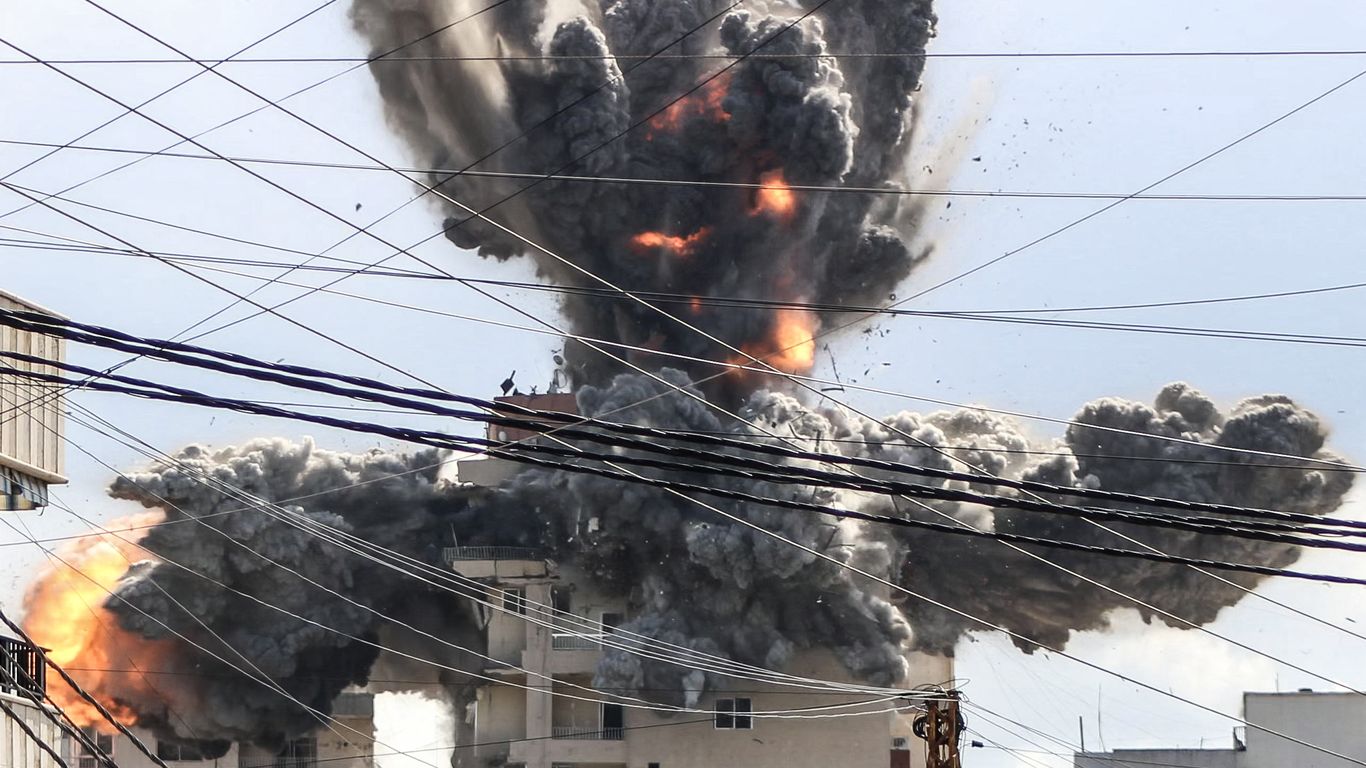
But here’s the kicker. An Israeli official whispers to Axios: no ceasefire in Lebanon. Strikes keep pounding Hezbollah, racking up 254 dead in one day alone. So, talks? Sure. Peace? Don’t bet your inventory on it.
“In light of Lebanon’s repeated requests to open direct negotiations with Israel, I instructed yesterday to begin direct negotiations with Lebanon as soon as possible,” Netanyahu said in a statement.
He tacks on that it’ll zero in on disarming Hezbollah and ‘peaceful relations.’ Appreciates Lebanon’s PM calling to demilitarize Beirut, even. Sounds peachy. Except that ‘yes, but’ from the official: negotiations start next week at the State Department, ambassadors only—no bombs pausing.
Will Israel-Lebanon Negotiations Actually Ease Supply Chain Pressures?
Short answer: probably not. Lebanon’s been begging for talks for weeks, backed by France’s grand plan—recognize Israel, disarm Hezbollah, end the ground war mess. Israel? Noped out, chose bombs instead. Now, post-Iran ceasefire Tuesday, White House panic sets in: Lebanon’s bleeding into that fragile truce.
Iran screams violation—says Lebanon was in the deal, might slam Hormuz shut or ditch talks. Pakistanis back ‘em. U.S. and Israel? ‘Nah, Hezbollah offensive stands.’ Escalation hit warp speed: massive strikes right after the ink dried.
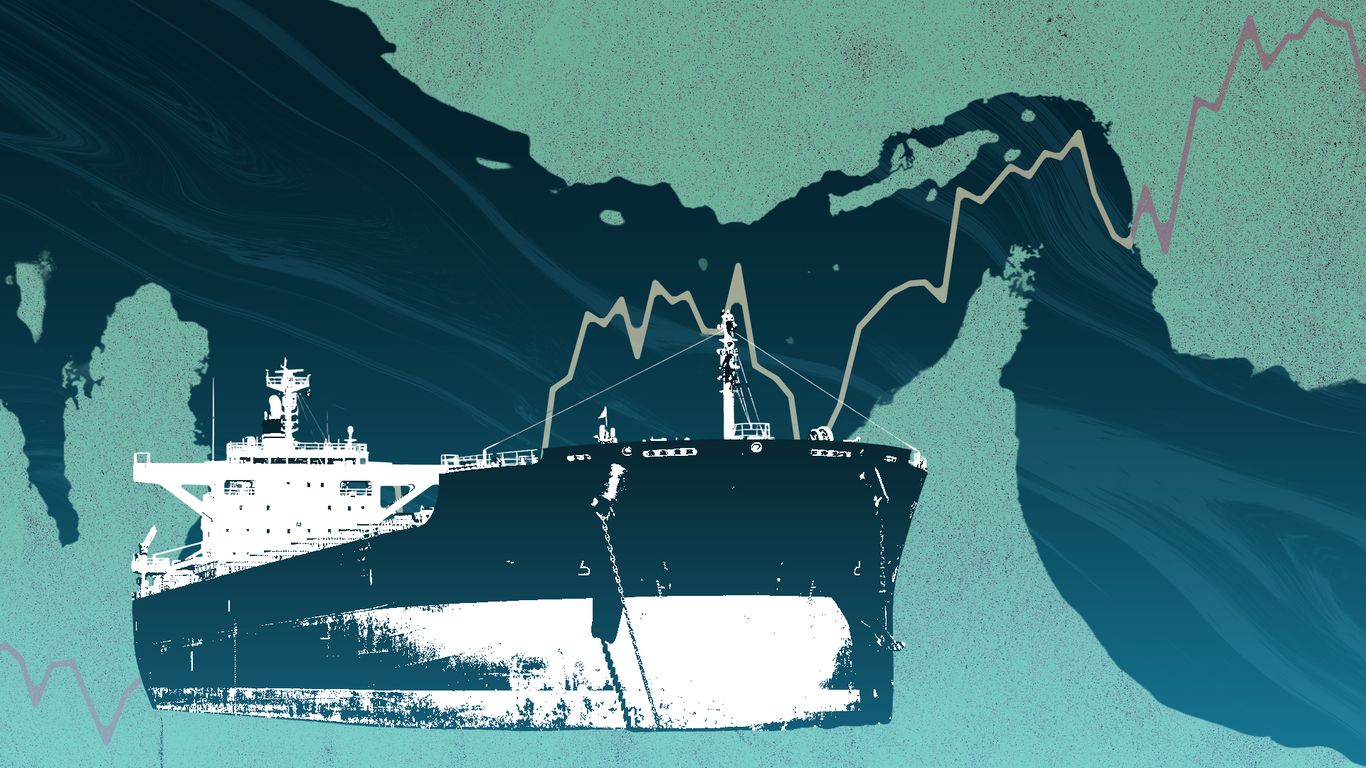
Think about it. Strait of Hormuz funnels 20% of global oil. Close it—like Iran hints—and freight costs explode. Tankers reroute, insurance skyrockets, your Asian factory runs dry on energy. Remember 2019 Abqaiq drones? Brent jumped 15% overnight. Supply chains choked for months.
This time? Worse. Trump’s green light to Bibi pre-ceasefire reeks of flip-flop. U.S. officials nudging ‘calm down’ while Lebanon’s government floats historic peace. But Netanyahu’s crew prefers war—until D.C. squeezes.
One paragraph wonder: Hype.
And my unique take, absent from the spin: this mirrors 1973 Yom Kippur, when OPEC embargo quadrupled oil, birthing modern supply chain resilience (or lack thereof). Back then, no JIT inventory—today’s lean ops crumble faster. Prediction: Hormuz wobbles 30 days, spot rates double, iPhone delays hit Q4.
Why Does Netanyahu’s ‘No Ceasefire’ Stance Threaten Global Freight?
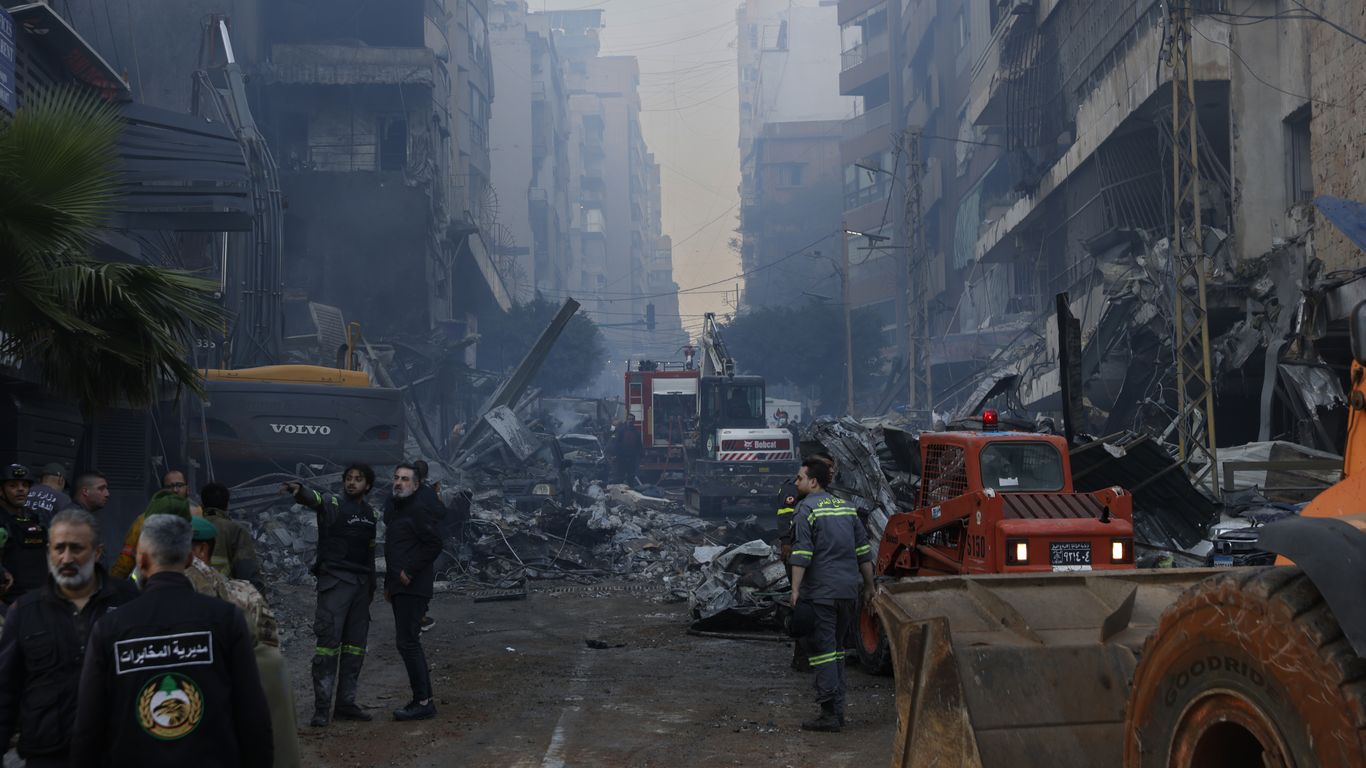
Simple. Hezbollah’s embedded in Lebanon; strikes don’t discriminate. Lebanese Civil Defense tallies hundreds dead, infrastructure toast. Ports? Beirut’s already a ghost—now southern chaos ripples north.
France’s proposal—direct talks, recognition, disarmament—sat rejected. Until Wednesday’s call. Netanyahu shifts, but official clarifies: talks sans truce. First meet: Washington, ambassadors Michel Issa (U.S.), Yechiel Leiter (Israel), Nada Hamadeh Moawad (Lebanon). Symbolic? Maybe. Substantive? Dream on.
Supply chain angle—and yeah, that’s my beat—Hormuz isn’t abstract. 21 million barrels daily. Iran closes it? Asia’s refineries starve, VLCC charters surge 500%, chemical feeds halt. Europe scrambles LNG, U.S. shale ramps (too slow). Your Walmart shelf? Empty.
I’ve seen Valley unicorns tout ‘resilient chains’—blockchain this, nearshoring that. Bull. Geopolitics laughs. Netanyahu’s PR pivot? Classic Bibi—talk peace, bomb hard. Who profits? Arms dealers, sure. But tankers? Freight forwarders praying for sanity?
Lebanese PM’s demilitarize Beirut nod? Smart politics. Hezbollah’s grip weakens post-Iran truce—IRGC lifeline cut? Maybe. But Israel’s ‘no ceasefire’ torpedoes momentum.
Zoom out. French draft to Trump and Israel: unprecedented recognition. Rejected for escalation. Now, U.S. fear of Iran collapse forces hand. Big picture: de-escalate to avert occupation, pressure disarmament, historic deal. Or not.
Skeptical vet’s gut: stall tactic. Bibi buys time, U.S. nods, Iran fumes. Supply chains? Brace.
Trump’s shift—from green light to ‘calm down’—screams election optics. Iran’s Hormuz threat? Not bluff—echoes 1980s Tanker War. Chains snapped then; today’s worse.
How Bad Could a Hormuz Shutdown Hit Your Operations?
Catastrophic. Models say $100/barrel oil minimum, inflation spike. Freight: Asia-Europe lanes +40% surcharges. Autos halt (plastics from petrochem). Tech? Taiwan semis need stable energy.
Netanyahu’s line on ‘peaceful relations’? Cute. Official’s ‘no ceasefire’? Truth. Talks next week—watch for walkout.
Lebanon initiative: prevent prolonged Israeli hold on south, boost disarm pressure. Failed—until now. U.S. use: Iran deal fragility.
Cynical close: Who’s making money? Lockheed, Raytheon on bombs. Maersk? On reroutes. You? Higher costs.
🧬 Related Insights
- Read more: Melania Trump’s ‘Love, Melania’ Email to Maxwell Fuels Endless Epstein Whispers
- Read more: Roger Stone’s Phone Call That Saved Tulsi Gabbard from Trump’s Axe
Frequently Asked Questions
What happens if Iran closes the Strait of Hormuz?
Oil prices skyrocket 50-100%, global freight rates double, supply chains face 2-3 month disruptions—echoing 1970s crises but with leaner inventories.
Will Israel-Lebanon talks lower oil prices?
Doubtful—no ceasefire means strikes continue, Iran stays twitchy; expect volatility, not relief.
How does Hezbollah war affect global trade?
Ports strained, insurance up, Hormuz risk premiums hit tankers—your costs rise even if not shipping oil.