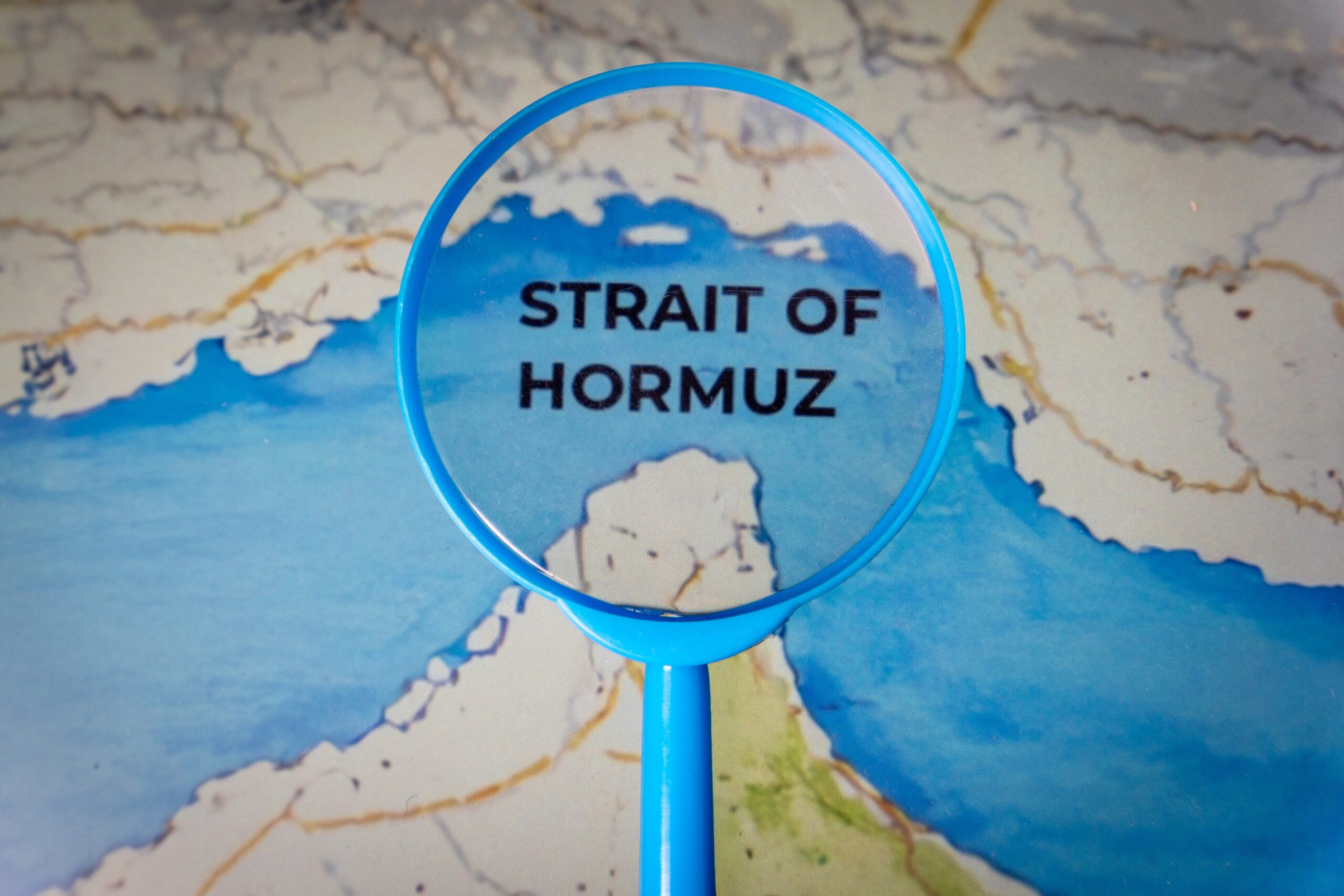
So, here’s the deal. We’re hearing whispers, nay, shouts, about the Strait of Hormuz reopening. For anyone paying even a lick of attention to global shipping, this sounds like a big deal, right? The vital artery for oil and other critical goods, choked off. The expectation, obviously, is that once the gates swing open, everything snaps back to normal. Ships sail through, cargo moves, prices stabilize. Simple.
Except, it’s never that simple, is it? Twenty years covering this tech circus, and I’ve learned one thing: if it sounds too good to be true, especially when it involves corporate PR and geopolitical chess, it probably is. And this reopening of the Strait of Hormuz? It’s got all the hallmarks of a promise that’s going to land with a thud.
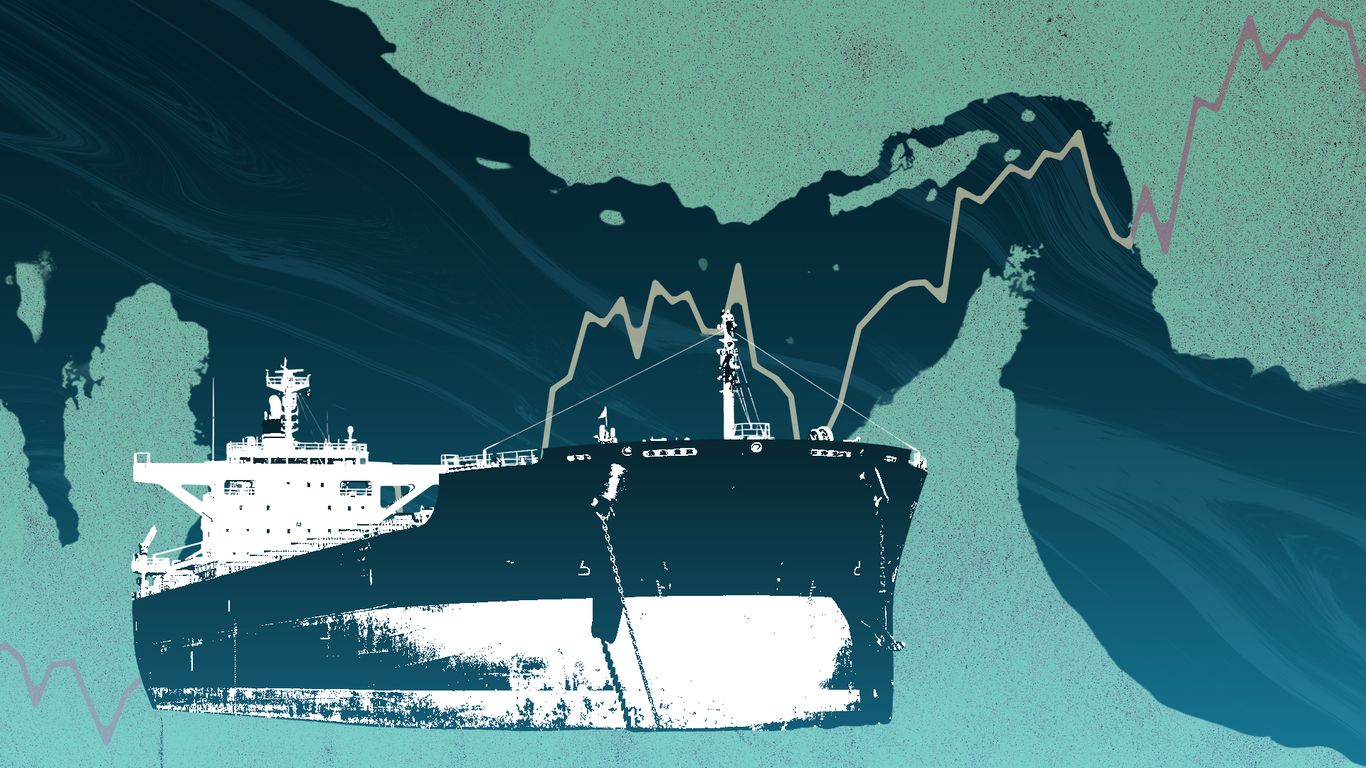
What’s the actual problem? Well, beyond the obvious geopolitical jitters about whether this ceasefire is, you know, actually going to stick, there’s the fundamental mechanics of shipping itself. You can open the darn strait, let the hundreds of loaded tankers waiting to get out actually leave the Persian Gulf, and that’s a good start. Great. You’ve cleared some ships. Fantastic. But then what?
The Empty Return Trip Problem
Here’s the kicker, the part the press releases conveniently gloss over: you need empty ships to go back in. You need vessels willing to sail into the Gulf to pick up the next load of oil, fertilizer, you name it. And right now? Nobody’s exactly lining up for that trip. Why? Because the tanker owners and, more importantly, their insurers, are staring down the barrel of what happens if this ceasefire crumbles. They don’t want their multi-million dollar vessels — and the crews on them — trapped in a hot zone again.
It’s a confidence game, really. And a fragile ceasefire, one that feels more like a nervous pause than a lasting peace, just doesn’t cut it. Shipping companies aren’t running on optimism; they’re running on risk assessment and insurance premiums. If there’s a whiff of instability, they’ll stay put. The result? Loads of ships stuck leaving the Gulf, but precious few willing to enter for new cargo. It’s like opening the highway exit but forgetting to put up signs directing traffic back onto the main road.
Shipping companies are hesitant to re-enter the Gulf while concerns persist that a current ceasefire may only be temporary. Tanker owners and their insurers are unwilling to risk vessels becoming trapped for extended periods without assurance of stability.
This isn’t just about oil, either. Think about fertilizer. Roughly 30% of the world’s fertilizer supply comes from this region. Without ships moving, that production grinds to a halt. And let’s be honest, food shortages and inflated prices are a lot more immediate and visceral for most people than fluctuating oil costs. This isn’t just a logistical hiccup; it’s a potential global food security issue masquerading as a shipping delay.
The Numbers Don’t Lie
Look at the numbers from Kpler, a firm that actually watches this stuff. Daily oil tanker movements have plunged from over a hundred to a measly ten or fewer. We’ve got around 400 loaded tankers trying to escape the Gulf, but only about 100 empty ones willing to venture in. That’s a supply-demand imbalance the size of Texas. The same story, nearly identically, for container ships. A hundred waiting to get out, zero eager to get in.
This isn’t a quick fix. Even if the strait opens tomorrow, don’t expect oil flowing normally until July. And that’s optimistic. The capacity just isn’t there to magically reroute everything. Shipping by sea for these bulk commodities is the only viable option. There’s no secret network of cargo planes ready to ferry millions of tons of oil or fertilizer. So, production stays halted. Companies holding their breath waiting for this reopening might want to start holding their breath a lot longer.
My take? This whole narrative of a simple ‘reopening’ is classic Silicon Valley-adjacent spin. It’s about looking like you’re solving a problem without necessarily fixing the underlying, messy reality. The reality is that until the geopolitical fog lifts and shipping companies feel genuinely secure about the return journey, this Strait of Hormuz reopening is more of a hopeful signpost than a finished bridge.
It reminds me a bit of the early days of blockchain for supply chain. Everyone shouted about transparency and efficiency, but the real money? That went to the folks selling the consulting services and the complex, often unnecessary, software. Here, the immediate benefit goes to whoever is managing the ceasefire negotiations and the crisis communications. The actual shippers and, by extension, consumers, are still stuck waiting for the practicalities to catch up with the headlines.
Is This a Real Solution or Just a Pause?
This whole situation hinges on confidence. And confidence in this region is about as stable as a Jenga tower during an earthquake. The departure of laden ships is a positive step, sure. But without a steady stream of empty vessels entering the Gulf to pick up new cargo, the logjam will persist. It’s like having a massive backlog at your company’s most critical department, and you only fix the exit door without addressing the bottleneck causing the pile-up in the first place. It’s not a fix; it’s a temporary reprieve.
Why Does the Fertilizer Situation Matter So Much?
Honestly, the fertilizer situation is the canary in the coal mine for humanitarian impact. When you’re talking about 30% of global supply potentially being disrupted, you’re not just talking about price increases. You’re talking about actual impacts on food production in developing nations, exacerbating existing food insecurity. It’s a stark reminder that these geopolitical games have very real, very human consequences far beyond the trading floors and executive boardrooms. The shipping hurdles here translate directly into empty dinner plates for millions.