A forwarder in Genoa squints at his phone—another vessel from Tanger Med, eight days late, no containers in sight.
That’s the scene across the central Mediterranean right now, where regional feeder networks are buckling again under the weight of Middle East chaos. Forget the port pileups we saw when the Red Sea first went hot; this time, it’s all about containers playing hide-and-seek, and schedules that might as well be written in sand. Shippers hunting boxes for Italy? Good luck—they’re out there, sure, but not where you need ‘em, when you need ‘em.
Sogese, the Italian container pros, nailed it: “containers are out there, but they are not where or when the market needs them.”
“The market today is defined by how efficiently equipment can move, not how much of it exists.” said Andrea Monti, its CEO & MD. “This is not a supply problem, it’s a circulation problem,” he added.
Why Are Containers Vanishing from Italian Ports?
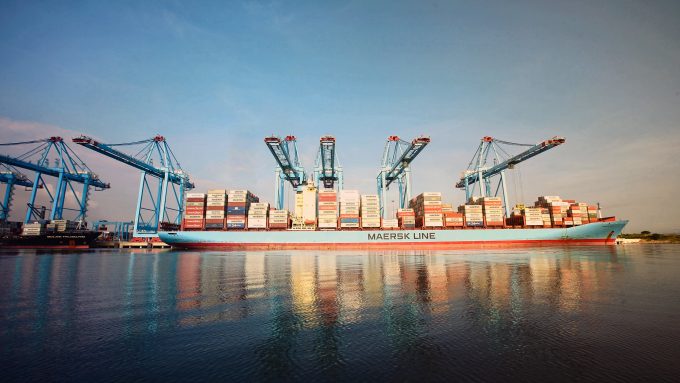
Blame the big ships dodging Yemen’s missiles, swinging wide around Africa’s Cape of Good Hope. That floods West Med hubs like Algeciras and Tanger Med with extra volume—50% of vessels waiting for berths at Algeciras this week, per Xeneta’s eeSea data, 27% at Tanger. Fine for the transcon giants, but it starves the feeders distributing to southern Europe.
Importers in Italy? Screwed. Reliance on these feeder legs has exploded, turning what used to be a quick hop into a volatility vortex. Mainline carriers—unreliable as ever, with Asia-Med services hitting just 64.7% on-time in Jan/Feb (down 2.7 points monthly, says Sea-Intelligence)—squeeze connection windows tight. Result: feeders hauling bigger loads, later, costlier.
Here’s the cynical bit—who’s making bank? The feeder operators, that’s who. Monti spells it out: “The feeder leg is no longer secondary, it is increasingly where both cost and reliability are determined.” Spot on. As mainliners pass the buck, feeders jack rates on corridors like Tangier-Genoa. Forwarders squeeze margins; customers whine about prices. Classic.
Short para: Congestion lingers.
But dig deeper—this ain’t new. Flashback to 2016, Hanjin bankruptcy: mountains of boxes sat idle worldwide because circulation froze, not supply. Same ghost haunting the Med now. My bold call? Feeder rates spike 20-25% by Q3, carriers pocket it as ‘emergency adjustments,’ while shippers foot endless surcharges. PR spin calls it ‘resilience’; I call bullshit—it’s profitable pain.
Is Italy’s Supply Chain Uniquely Screwed?
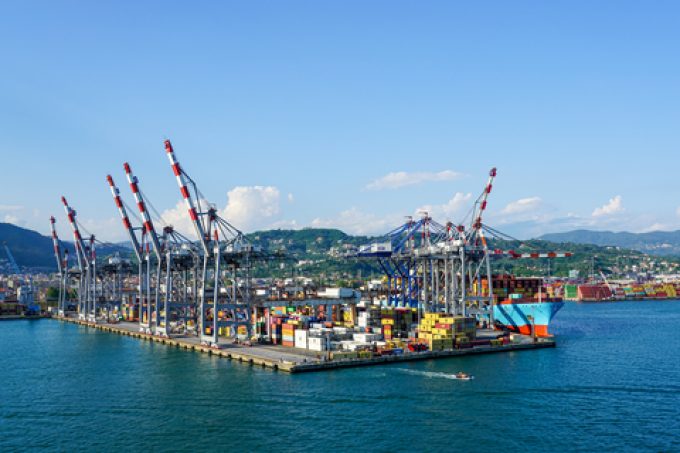
Genoa ships averaging five days late last month. La Spezia? Eight. eeSea logs it as mid-2024 lows. Sogese’s report cuts through: “Italy reflects broader European dynamics, with added sensitivity to routing shifts and feeder reliability.”
Resilient, they say. Commercially complex, more like—with forwarders battling rising ops costs and price-nagging clients. Central Med markets lean hard on West hubs now, amplifying every glitch.
And the east-west Med feeders? Acute stress from geopolitics, but no west-side terminal apocalypse this round. It’s the network’s veins clogging—equipment stuck in the wrong loop, schedules shredded.
One sentence wonder: Forwarders tread water.
Zoom out: Ocean carriers slap emergency fuel surcharges on US-bound stuff, boosting rates there. Med gets the circulation hangover. Maersk updates estimates (fair, they say), DSV lacks momentum, FedEx pushes marketing amid tentative labor deals. Chaos everywhere.
My unique twist? This ‘circulation crisis’ mirrors Valley’s chip shortages in 2021—plenty of silicon, wrong factories. Except here, carriers won’t bail anyone out; they’ll monetize the mess. Watch DHL lead the race by grabbing feeder capacity early.
Who’s Really Profiting from the Feeder Squeeze?
Carriers, duh. Fuel surcharges? Just the start—more coming, as headlines tease. XOM updates on war impacts (twice, for emphasis), WTC on a roller coaster. Amazon hoards monies, CHRW shrugs off a bad week.
Skeptical vet take: Don’t buy the ‘temporary’ line. Sea-Intelligence notes Med on-time up 21.5 points year-over-year from rock-bottom 43.2%. Progress? Sure, from the gutter. But with Cape reroutes locking in, feeders become the profit choke point.
Shippers pivot? Hunt alt routes, stockpile boxes (if you can find ‘em), pressure forwarders harder. But margins? Toast. “Forwarders face margin pressure as operating costs rise while customers remain price-sensitive,” Sogese warns.
Long para time: Picture this sprawl—vessels bunching at Tanger, feeders scrambling to redistribute, Italian yards barren while Spanish ones overflow; add mainline delays cascading like dominoes, every missed slot hiking demurrage fees, turning a €5k container move into €15k nightmare, all while CEOs tout ‘dynamic adjustments’ in earnings calls that reek of rehearsed optimism, ignoring how this grinds small importers to dust.
Prediction: By fall, we see mini-consolidations—smaller feeders gobbled by majors like DHL. Who wins? The big dogs, always.
🧬 Related Insights
- Read more: MIT Just 3D-Printed a Working Motor in 3 Hours—Hardware’s Desktop Revolution Begins
- Read more: Nigerian Kit EVs Target Food Spoilage — A Pragmatic Bypass to Tariffs and Blackouts
Frequently Asked Questions
What’s causing strain on Mediterranean feeder networks?
Red Sea reroutes flood West Med hubs, starving central ports like Italy’s of containers—it’s a circulation jam, not a shortage.
Will container availability improve soon in the Med?
Unlikely short-term; Cape reliance tightens feeder schedules, expect ongoing volatility and rate hikes through 2024.
How can shippers handle Med feeder disruptions?
Stockpile strategically, diversify forwarders, lock in contracts early—but brace for 20%+ cost jumps on key lanes.