Robots are out. Back to basics.
Zebra Technologies, the folks whose printers and scanners probably clutter your warehouse more than any actual robots do, have finally dumped the Fetch Robotics division. You know, the one they paid a cool $300 million for back in 2021. Apparently, the grand plan of owning a whole bunch of autonomous mobile robots (AMRs) wasn’t quite panning out as expected. Now, Skild AI, a developer of robot intelligence, is taking the reins. Terms? Shocker, they’re vague. Cash, sure, but also an equity stake in Skild AI. Classic tech shuffle.
Why the sudden pivot? Zebra’s PR spin is pure corporate jargon: “further sharpen its strategic focus on accelerating workflows across the supply chain and prioritizing investments in high-growth areas such as RFID, machine vision, and AI for the frontline.” Translation: Robots weren’t making enough money, and they want to double down on stuff that already works. It’s the oldest story in tech – sell off the shiny, problematic acquisition and go back to your cash cows. They bought Fetch to be the future of warehouse automation, and now they’re selling it off because they want to focus on the future of warehouse automation. Confused? You should be.
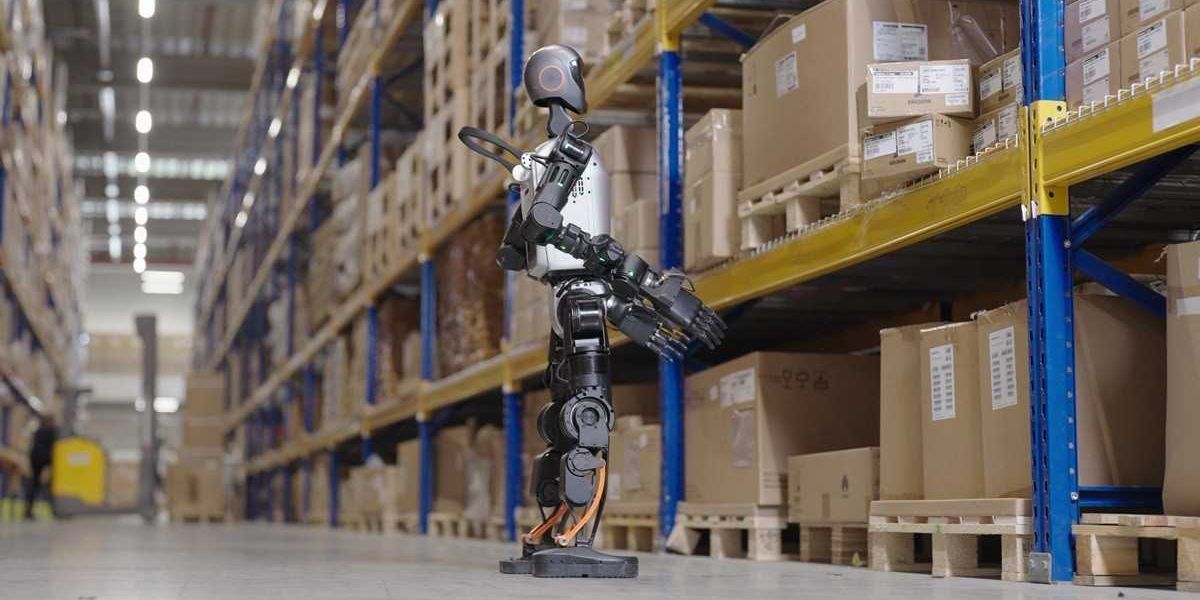
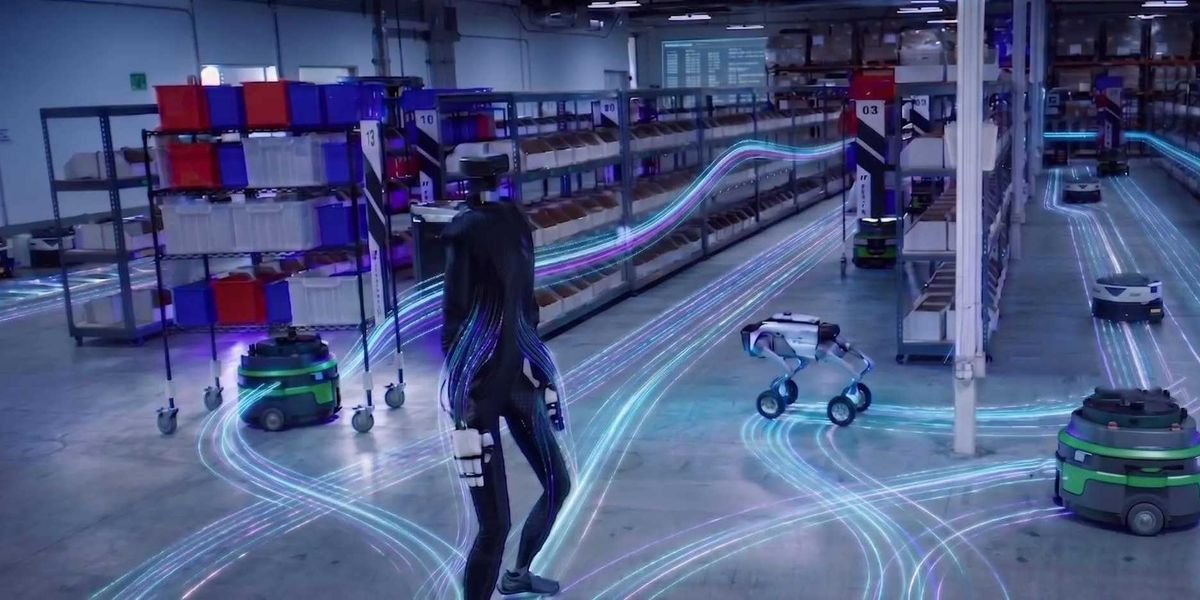
Skild AI, on the other hand, is painting a picture of utopia. Their “Skild Brain” platform, apparently “omni-bodied,” can control any robot without needing to know its exact chassis. Sounds fancy, right? The goal is to ditch the patchwork of vendors and offer a one-stop shop for warehouse automation. Think humanoid pickers, inspection dogs, packing arms, and AMRs – all orchestrated by Skild AI. It’s the dream of a fully automated warehouse, managed by a single, benevolent AI brain. Whether it’s achievable or just more vaporware remains to be seen, but the ambition is certainly there.
Is This a Smart Move for Zebra?
Look, Zebra isn’t exactly a stranger to acquisitions. They’ve gobbled up a bunch of companies over the years. But Fetch felt like a gamble, a move to get in on the AMR craze before it truly solidified. Now, with the market still figuring itself out and the path to profitability for many robotics companies murky at best, it makes sense for Zebra to cut its losses. They aren’t a robotics company; they’re a hardware and software vendor for the front lines. Sticking to that core competency is probably wise. The danger, of course, is if AMRs do become the ubiquitous standard, Zebra might find itself on the outside looking in, having punted away a piece of that future. It’s a calculated risk, but I’d rather they focus on making their existing tech better than trying to build a robot empire.
What Does This Mean for the Fetch Hardware?
This is where it gets interesting. Skild AI claims their brain can control any robot. So, does this mean all those Fetch AMRs out there suddenly get a firmware update from a new overlord? Probably. Skild AI wants to use Fetch’s proven orchestration platform, Symmetry Fulfillment, to tie robots and human workers together. It’s a nice thought – humans and robots working in harmony. The reality is usually a lot more complicated, involving compatibility headaches and endless software patches. But if Skild AI can actually pull off this “end-to-end” solution, they could become a significant player. They’re betting big that their software can unify a fragmented robotics market, and the Fetch acquisition gives them the physical hardware to prove it.
Historically, when a hardware company sells off a software/robotics division, it’s because the software was either a flop or the core business needed the cash. Zebra’s statement suggests the former. They claim they’re refocusing on “high-growth areas.” If Fetch was so high-growth, why sell it? It reeks of a financial decision rather than a strategic one. The irony is that Zebra itself has been touting AI for its frontline workers. Now they’re selling off a piece of that puzzle. It’s a bit like a baker selling their flour mill because they want to focus on baking bread. You still need the flour, don’t you?
Skild AI says its core technology—known as the Skild Brain platform—is not tailored to specific robot designs, but rather is “omni-bodied” and can control any robot without prior knowledge of its exact body form.
This is the claim to watch. If Skild AI’s Skild Brain is as adaptable as they say, it could indeed simplify warehouse automation. No more buying robots from Vendor A and orchestration software from Vendor B, only to find out they don’t play nicely. Skild AI wants to be the universal translator for warehouse robots. It’s a bold promise, and one that, if realized, could fundamentally change how warehouses are automated. The Fetch acquisition isn’t just about getting hardware; it’s about getting a ready-made platform and a customer base to test this universal brain.
Ultimately, Zebra is betting on its core strengths. Skild AI is betting on a unified robotic future. The market will decide who wins. But don’t be surprised if the Fetch robots you see tomorrow are running on Skild AI’s brain, not Zebra’s. It’s a classic divestiture, a repositioning. The question is whether Zebra is repositioning itself into irrelevance or back into its profitable niche.
🧬 Related Insights
- Read more: Daily Briefing: April 13, 2026
- Read more: Joby Aviation’s eVTOL Gamble: Vertical Integration Savior or Supply Chain Trap?
Frequently Asked Questions
What does Skild AI do with Fetch Robotics? Skild AI has acquired Zebra Technologies’ Fetch Robotics division. This means Skild AI now owns the Fetch Robotics hardware and its associated fulfillment orchestration platform, aiming to integrate them with its own Skild Brain AI technology to offer comprehensive warehouse automation solutions.
Will Zebra still make robots? No, Zebra has sold off its Fetch Robotics division, which was its primary investment in autonomous mobile robots (AMRs). Zebra states it is refocusing on areas like RFID, machine vision, and AI for frontline workers, not robotics development.
Is this good for warehouse automation? It could be. Skild AI’s goal is to provide a unified, end-to-end automation solution, simplifying the current fragmented market. If their “omni-bodied” Skild Brain can truly control diverse robots and integrate with human workflows, it could streamline operations. However, the success of this vision remains to be proven.