Docks are killing us.
And not metaphorically. Unloading trailers by hand? It’s a recipe for snapped backs, ghosted shifts, and endless overtime bids that go unanswered. Labor constraints are accelerating adoption of dock automation and robotic picking, turning what was once a gritty necessity into a robotic frontier. Contoro Robotics gets it—floor-loaded cartons in sweltering containers scream for machines, not temps.
Here’s the thing: we’ve heard this song before. Remember the pallet-jacking robots of the ’90s? Big promises, bigger breakdowns. But now? Wages are skyrocketing, temps vanish faster than ice in July trailers, and insurers are eyeing those injury stats like hawks. Contoro’s pitch lands different.
“When the limiting factor is the manual handling of floor-loaded cartons inside trailers and ocean containers, the value proposition for robotics—measured in throughput stability, safety performance, and labor availability—can become compelling.”
That’s from their briefing. Spot on. But let’s not drink the Kool-Aid straight.
Why Dock Automation Suddenly Hot?
Labor’s gone AWOL. Turnover in warehouses hits 50% some years—dock work’s the worst. Twist, lift, sweat in 120-degree metal boxes. No one’s lining up. Operators chase faster dock turns, predictable inbound. Robots promise that. Contoro’s semi-autonomous unloaders handle the chaos—mixed boxes, crushed edges, random stacking—with a human watching, not heaving.
It integrates, too. No gutting your WMS or MHE setup. Brownfield friendly, they say. ROI? Labor savings plus steady throughput. Summer staffing? Forgotten worry. But here’s my twist: this echoes the Amazon fulfillment center boom. Early bots flopped on variety; now AI perception cracks it. Prediction: by 2026, 30% of big DCs mandate dock bots, or watch competitors lap ‘em.
Short para. Skeptical?
Damn right. Corporate hype screams “scalable throughput,” but what about the jam on a pallet of leaky pickles? Real-world variability bites. Contoro admits human-in-the-loop—smart, because full auto’s a pipe dream yet. Still, it shifts pain downstream: now your pickers deal with robot-spat messes. Progress? Sure. Panacea? Laughable.
Robotic Picking: Savior or Sideshow?
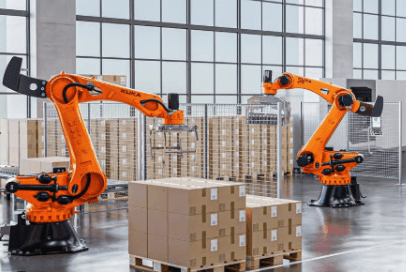
Robotic picking. Grasp, place, repeat. 3D vision, AI brains, grippy arms. Depalletizing, singulating, unloading. Value? Consistency when humans flake. Peaks, valleys—gone. But ergonomic win’s the kicker. Keep folks supervising, not straining.
Advances help. End-effectors that snag floppy bags or dented cans. No more redesigning facilities. Pragmatic buyers want KPIs: throughput up 2x, injuries down 80%. Unloading’s low-hanging fruit—visible wins fast.
Yet. Demos dazzle; deployments drag. Integration snags with legacy gear. TCO balloons if uptime dips. And labor? Doesn’t vanish. Shifts to tweaks, fixes. Bold call: this accelerates, but expect 18-month teething pains per site. Companies spinning “resilience”? They’re masking capex jitters.
Use cases stack up. Ocean containers inbound—prime target. Floor-loaded chaos. Robots chew through, spit sorted cartons to conveyors. Trailers same deal. Fulfillment flows smoother, no inbound bottlenecks choking picks.
Will Robots Fix Your Labor Woes?
Nah. Not fully. They nibble edges. Chronic scarcity? Wages? Still there. But for docks, yeah—game shifts. Boston Dynamics lurks (source nod), Stretch bot vibes. Contoro carves niche: unloading specialists.
Market drivers? Scarcity, sure. Tech maturity, check. Buyer smarts—demanding brownfield fits. No more sci-fi pilots.
One caveat. PR spin: “improved ergonomics” sounds noble. Really? It’s cheaper insurance premiums and fewer ADA suits. Sharpens pencils fast.
And extremes: tiny para.
Look, if you’re a DC manager staring at empty docks, bite. But audit TCO ruthless. History’s littered with bot graveyards.
🧬 Related Insights
- Read more: Steinmetz Nailed EVs in 1920—We’re the Latecomers
- Read more: Drayage Costs Slashed 50%? The Port-Warehouse Crunch of 2026
Frequently Asked Questions
What is dock automation in warehouses?
Dock automation means robots handling trailer and container unloading—lifting cartons without backs breaking, stabilizing throughput amid labor chaos.
How does robotic picking work for inbound receiving?
Combines AI vision, robot arms, smart grippers to grab, sort mixed loads. Human oversees; variability tamed.
Will dock robots replace warehouse workers?
Not outright—displaces grunt work, frees people for brains-over-brawn tasks. But jobs morph, not multiply.