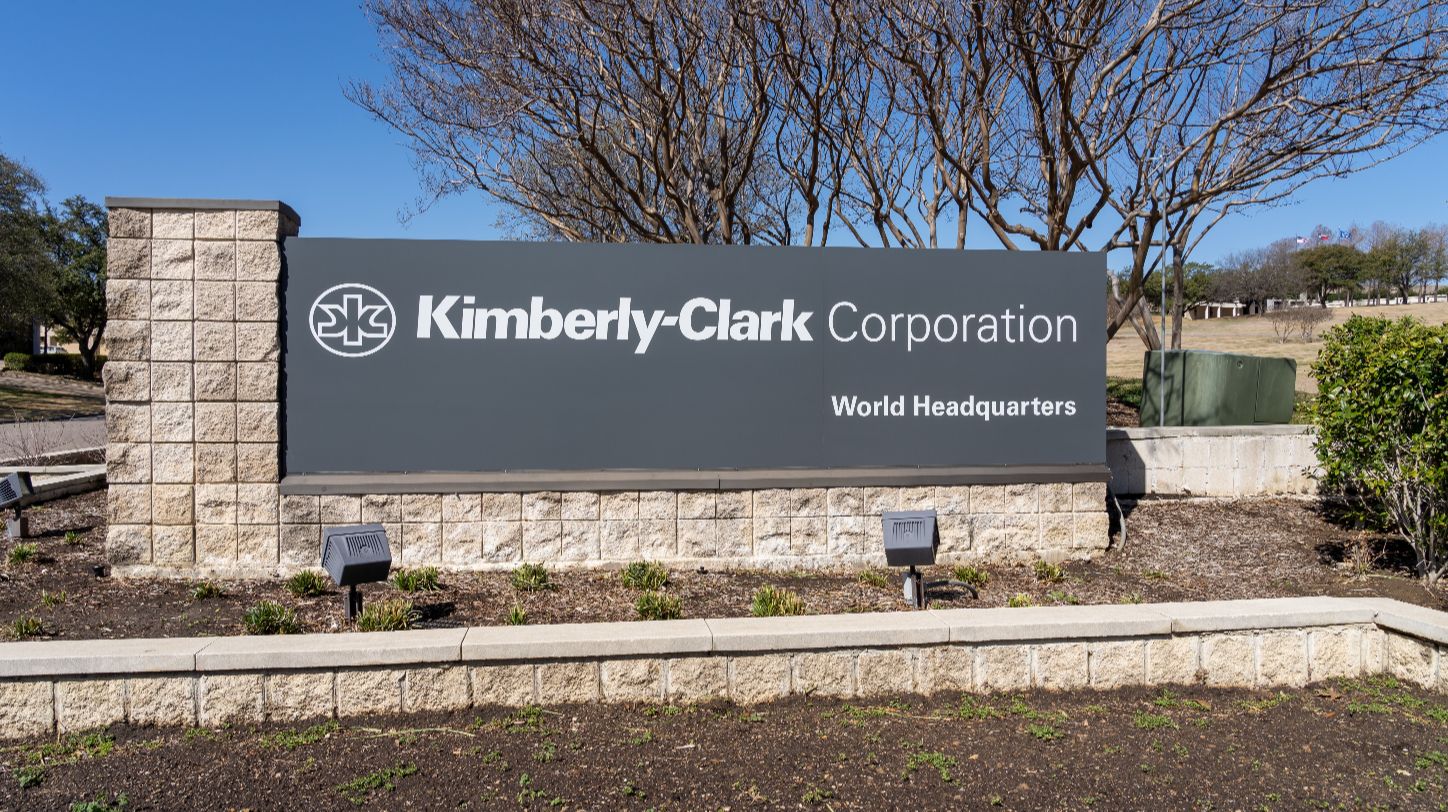
Imagine this: you’re a new parent in the Midwest, midnight diaper run looming, and suddenly Huggies shipments snag because a California warehouse turned into an inferno. That’s the ripple right now from Kimberly-Clark’s distribution center fire — not some distant corporate headache, but a real snag for shelves everywhere.
Kimberly-Clark distribution center fire. Those words hit harder when you picture empty diaper aisles or Kleenex shortages during flu season. But here’s the spark of hope: the company’s scrambling with contingency plans that feel like a dress rehearsal for tomorrow’s AI-orchestrated supply webs.
Look.
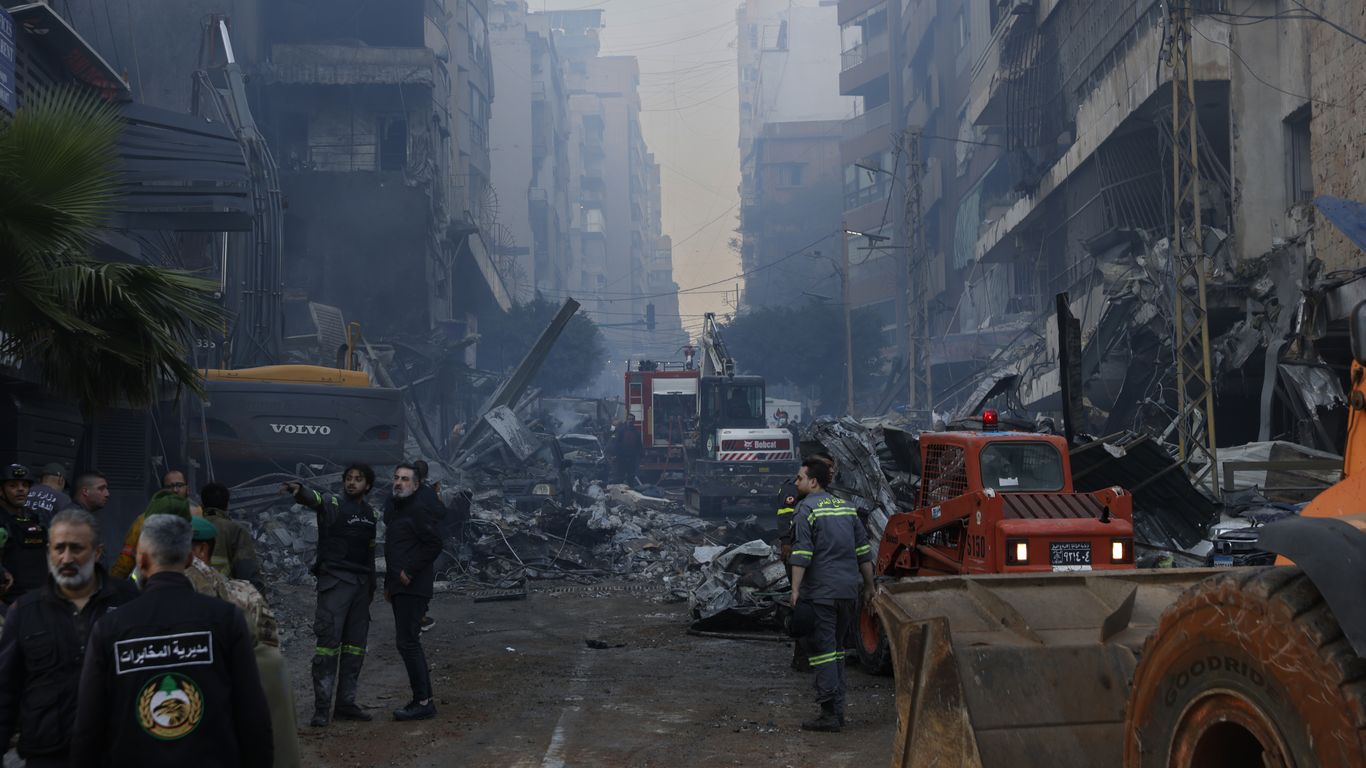
No one’s hurt — thank god — but that 1.2 million square foot beast in Ontario, California, leased to Kimberly-Clark and run by NFI Industries, is out. Fire on April 7. Everyone evacuated safe. Emergency crews swarmed it.
And they’re moving fast. Teams hunting alternate spots for inbound trucks, snapping up extra warehouse space from local partners. It’s gritty, hands-on logistics wizardry — the kind that keeps Andrex toilet paper rolling to stores.
“no manufacturing assets were impacted” and that no company employees were present onsite at the time of the fire.
That’s straight from Kimberly-Clark. Clean win there. No factories torched, no staff in harm’s way. But distribution? That’s the nerve center, the pulsating hub shoving products to your doorstep.
What Does a Distribution Center Fire Mean for Your Shopping Cart?
Picture supply chains as vast, throbbing arteries — goods pumping from factories to families. One clot, like this blaze, and flow stutters. Short-term? Maybe spotty stock on Huggies (world’s top diaper brand) or Kleenex tissues. We’re talking weeks of juggling inbound freight to side warehouses, partners pitching in like emergency pit crews.
But zoom out. This isn’t 2021’s port pileups or Suez Canal drama. Kimberly-Clark’s playbook activated smooth — coordinated responses, local logistics allies. It’s proof: modern chains have flex, built from pandemic scars.
Yet — and here’s my futurist itch — why react when AI could predict? Imagine drones sniffing smoke precursors, sensors forecasting overloads in those massive roofs. We’re inches from that shift, where fire’s just a glitch in the matrix.
Short para. Boom.
Why Hasn’t AI Already Bulletproofed Warehouses Like This?
Because we’re still in the horse-and-buggy phase of logistics AI. Sure, robots stack pallets at Amazon, but fire prediction? That’s the wild frontier. Sensors everywhere — temperature spikes, electrical hums — feeding models that scream “evacuate” before flames lick.
Think of it like your phone’s weather app, but for infernos. Historical parallel: the 2017 UPS fire in Italy torched millions in goods; no AI then. Today? Predictive twins — digital warehouse clones — simulate disasters hourly. Kimberly-Clark could’ve modeled this exact blaze months ago.
My bold prediction: by 2026, every major distributor runs AI “fire shields.” Not hype — math. Fires cost $10B yearly in U.S. logistics. One prevented per site pays for the system.
They’re not spinning fairy tales here, either. No “all good forever” PR fluff. Straight talk: “working through mitigating any short-term disruptions.” Respect.
But dig deeper. NFI Industries operates it — third-party muscle. Smart? Outsourcing ops cuts capex, but risks like this pop. Who foots rebuild bill? Leased space means shared pain, but Kimberly-Clark’s brand halo shields consumer panic.
Energy surging now. This fire? Catalyst. Forces C-suite to double-down on resilient networks — multi-hub sprawls, AI-orchestrated reroutes. Like neural nets in brains, bypassing damaged neurons.
One sentence. Resilience redefined.
And the human angle — warehouse workers grounded, no injuries. NFI’s crew, Kimberly-Clark’s remote oversight. Safe evacuations aren’t accidents; they’re drilled muscle memory from a world gone volatile.
How Kimberly-Clark’s Pivot Predicts the AI Supply Chain Revolution
They’re securing extra warehousing now — frantic calls to locals, trucks diverted mid-haul. Analogy time: it’s like a heart attack patient on bypass, blood rerouted while docs fix the clog. Effective, but temporary.
Future? AI as the surgeon. Real-time optimization: “Truck 472, skip Ontario, hit Riverside hub.” Algorithms juggling capacity like a cosmic juggler. We’ve seen glimpses — UPS’s ORION saves 100M miles yearly via AI routes.
Kimberly-Clark’s portfolio — Huggies for babies, Kleenex for sniffles, Andrex for the throne — demands zero hiccups. This fire tests that vow. Early signs: continuity held for customers. No mass panic-buying yet.
Critique their spin? Mild. They downplay, focusing “no manufacturing hit.” Fair, but ignores the chaos of redistribution. Inbound shipments piling up elsewhere — costs spike, timelines stretch.
Wander a sec: remember Maersk’s 2017 cyberattack? Worse than fire, global freeze. Chains learned: diversify. Kimberly-Clark echoes that, but AI elevates — predictive, proactive divinity.
Dense dive: contingency layers. Layer 1: immediate evac/response. Layer 2: partner warehouses. Layer 3: demand signaling to factories. AI weaves ‘em smoothly — no human handoffs.
Wonder hits: what if this fire births open-source AI fire models for logistics? Shared across rivals, like weather data. Platform shift — AI as communal shield.
The Bigger Warehouse Inferno Risk — And AI’s Fiery Fix
Stats scream: U.S. warehouses average 16,500 fires yearly. Massive ones like this? Rare, but ruinous. Ontario’s 1.2M sq ft — football fields ablaze.
AI fix: IoT constellations. Smoke detectors networked, ML spotting anomalies — a frayed wire’s heat signature. Pair with robotics for instant suppression — foam drones swarming.
Prediction: post-this, insurers mandate AI sentinels. Premiums drop 30%. Kimberly-Clark leads? Their scale demands it.
Para punch: fires fade when foresight reigns.
Wrapping the now: customers mostly fine. Brands intact. But lesson burns bright.
**
🧬 Related Insights
- Read more: 26% of Carriers Eye AI to Boot Freight Brokers
- Read more: 1,014 Anti-Latino Hate Crimes in 2025: Supply Chain’s Hidden Crisis Explodes
Frequently Asked Questions**
What caused the Kimberly-Clark distribution center fire?
Unknown yet — fire on April 7 at NFI-operated site in Ontario, CA. Investigations ongoing; no details released.
Will Huggies or Kleenex be delayed by this fire?
Possible short-term hiccups as they reroute shipments, but contingency plans aim for continuity. Monitor local stock.
How does this affect Kimberly-Clark’s supply chain long-term?
Boosts resilience push — expect more AI integration for disaster-proofing.