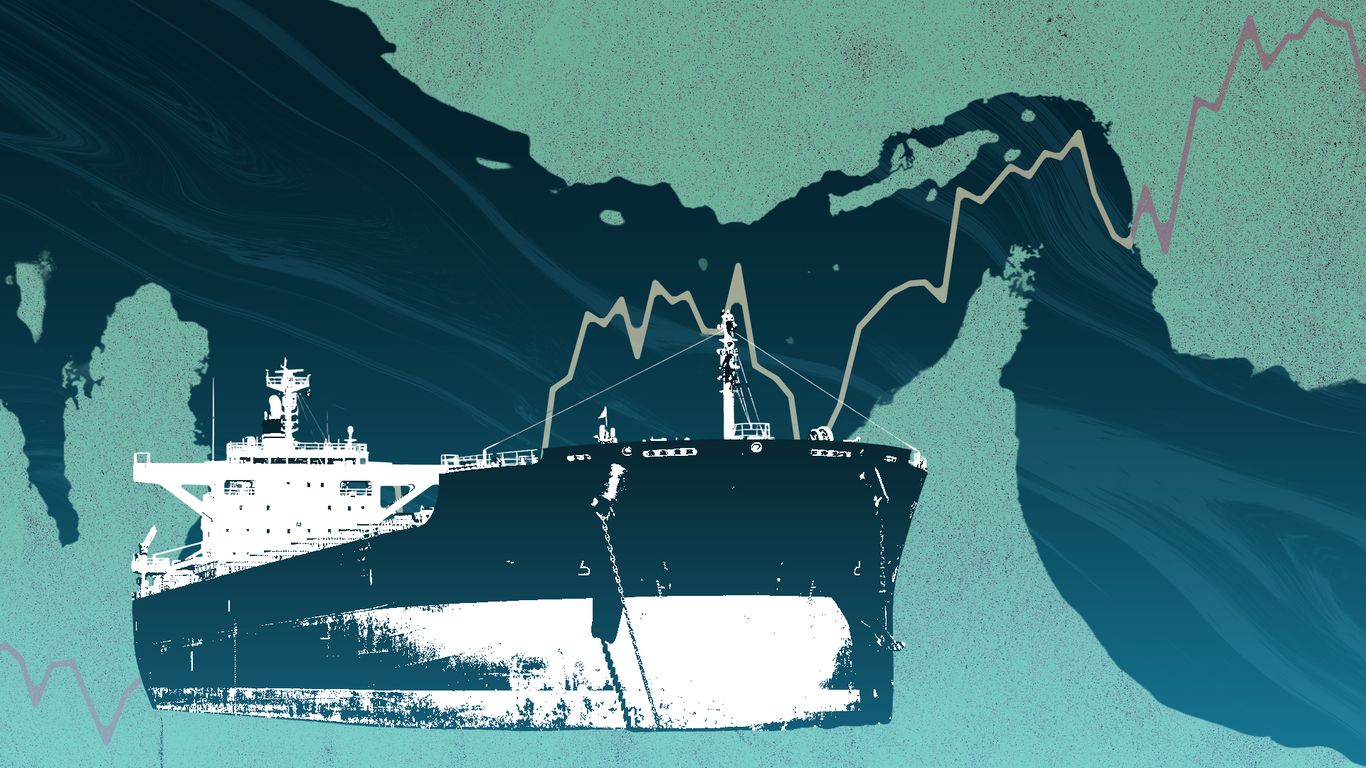
Spotlights cut through the fog at the Port of Los Angeles. A crane hovers, frozen. Inside that forty-footer? Your latest batch of electronics, rerouted from Ningbo, now pinned under a customs glare sharper than ever.
That’s the scene unfolding right now. Import tariffs—once a bureaucratic checkbox—have rocketed to top-tier enforcement priority for U.S. Customs and Border Protection. No more slaps on the wrist. We’re talking audits, seizures, penalties that bite.
But why the frenzy? Peel back the layers, and it’s not just about revenue—it’s architecture. The Biden administration (echoing Trump-era playbook) sees tariffs as the steel spine of reshoring. China tariffs? Still humming at 25% on $300 billion in goods. And enforcement? CBP’s 2023 data shows seizures up 20%, with tariff evasion cases exploding.
While Everyone Watches Oil and Tariffs, USMCA Looms
That trending whisper nails it. Eyes on crude prices and headlines, but the real quake brews in trade pacts like USMCA. Here’s my take—the unique twist no one’s yelling yet: this tariff hammer isn’t accidental. It’s engineered to force a North American pivot. Remember Smoot-Hawley in 1930? Tariffs spiked, trade collapsed 66%, deepened the Depression. Today’s architects swear they’ve learned—yet here we are, containers rotting while factories eye Mexico.
Why Are Import Tariffs U.S. Customs’ Sudden Obsession?
Cash first. Tariffs raked in $100 billion last year—more than CBP’s entire budget. But dig deeper. Evasion’s rampant: undervaluation, misclassification, transshipment via Vietnam. One bust? $1 billion in steel funneled through third countries. CBP’s deploying AI scanners now, flagging anomalies in manifests before ships dock.
And politics. Midterms loom. Voters in Rust Belt states cheer “America First.” But supply chain pros groan—costs cascade. Your $10 widget? Tariffed to $12.50, plus delays that torch inventory turns.
It’s messy. Corporate spin calls it “fair trade.” Bull. It’s protectionism 2.0, dressed in compliance drag. (And yeah, that PR gloss from Washington? Pure smoke.)
Shift gears. How does enforcement actually land?
How Does U.S. Tariff Enforcement Work—And What’s New?
Old way: File entry, pay duty, skate. New reality? Risk-based targeting. CBP’s got algorithms chewing trade data—HS codes, importer history, origin certs. Red flag? Your shipment’s pulled for exam. X-rays, dogs, even chemists tearing into boxes.
Penalties sting. Civil fines hit 2x the lost revenue; criminal? Jail time. Take ZTE—evaded Iran sanctions via Huawei parts, paid $1.2 billion. Smaller fry? Apparel importers coughing up millions for “country of origin” fibs.
Tech’s the accelerator. Automated Commercial Environment (ACE) now cross-checks with IRS, FDA. One glitch in your paperwork? Boom—liquidated damages. And post-FY24 budget? 2,000 more officers, all tariff-hunting.
Here’s the human bit. Inspectors aren’t robots. Backlogs from labor shortages mean your “routine” hold stretches weeks. Chaos.
Supply chains feel it first.
Will Stricter Import Tariffs Wreck Your Bottom Line?
Short answer: Yep. Model it out. Baseline tariff 10%? Enforcement tightens collection to 95% from 85%. That’s 12% cost hike passed to consumers—or eaten by you.
But why now? Pandemic scars. Empty shelves taught the peril of just-in-time Asia reliance. Tariffs nudge diversification—Vietnam’s imports up 30%, Mexico 15%. USMCA’s rules of origin (75% North American content for autos) bite back if you dodge.
Bold call: By 2026, expect 20% of China-bound volume to flip to nearshore. Not hype—math. Labor costs in MX halved vs. U.S., tariffs zero under USMCA. Your 3PL scrambling yet?
Ripples spread. Ports clog—LA/Long Beach handled 9.3 million TEUs last year, but holds up 15%. Trucks idle, warehouses overflow. TMS software sales spike as firms chase visibility.
One importer I spoke with (off-record, nat’ly)—“It’s not tariffs killing us. It’s the uncertainty. Plan for six months? Now it’s quarterly firefights.”
Skeptical lens: Government pitches this as “leveling the field.” Please. U.S. subsidies dwarf China’s—$52 billion in farm aid alone. Tariffs? Bludgeon, not balance.
What Happens When Tariffs Clash with Reality?
Architectural quake. Global trade management systems—think Descartes, E2open—now must simulate tariff scenarios. Cloud SaaS booms, but legacy ERPs choke.
Retailers pivot: Walmart’s sourcing 80% U.S./Mexico. Tech? Apple tiptoes back from Foxconn. But semiconductors? Taiwan tariffs loom, threatening AI boom.
Prediction time. If enforcement sticks (and CBP’s hiring says yes), inflation ticks up 0.5-1% through ‘25. Fed hates it. Political football ahead.
Bottom line? Adapt or sink. Audit your HTS codes. Bond up. Diversify origins. And watch USMCA— that’s the escape hatch everyone’s missing.
🧬 Related Insights
- Read more: Mileway Secures Profimaat in Amsterdam’s Hot Logistics Hub
- Read more: Iran’s Cyber Crews Crack US Factory PLCs: Supply Chains on the Brink
Frequently Asked Questions
What does ‘top-tier enforcement priority’ mean for US import tariffs?
CBP’s signaling zero tolerance: more audits, seizures, AI targeting. Expect delays and fines for evasion.
How do import tariffs impact supply chain costs?
Direct hit—10-25% duties on key goods, plus compliance overhead. Many pass 70% to prices, rest to margins.
Will US import tariffs force nearshoring?
Absolutely. Mexico’s already surging under USMCA; China volumes drop 15-20% if enforcement holds.