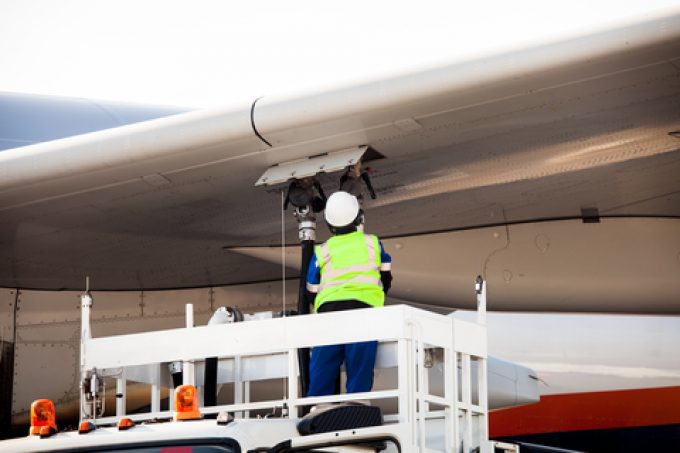
Diesel pumps hit record highs. Forwarders scramble as the US-Israeli war against Iran sends fuel costs into the stratosphere, torching trucking margins and leaving logistics demand in limbo.
Zoom out: it’s not just a pump-price panic. ING’s Rico Luman lays it bare — oil prices, in their base case, end the year over 30% higher than FY2025. That’s no blip. That’s a sustained gut punch to the entire freight ecosystem.
“Logistics companies have already been in close conversation with their shipper customers with regard to the impact of higher fuel costs and the introduction of surcharges which will very likely be passed on to the end consumer.”
Luman doesn’t sugarcoat it. Shippers’ mood? Souring fast. Inflation creeps up, wallets tighten, growth stalls — all recipes for freight volumes to shrink while costs balloon. Q2 and beyond? Brace for impact.
But here’s the twist — and it’s a cynical one. Capacity squeezes in ocean and air might just save some hides.
Why High Fuel Prices Are Freight’s Nightmare
Red Sea routes? Still a no-go, maybe till year’s end. Ships crawl around Africa, chewing time and space. Middle East mess piles on congestion, propping up rates that were otherwise doomed to dive. Air freight? Same story — crisis-fueled shortages jack rates, though some operators eat extra costs just to keep flying.
Luman sums it: next few months, anyone’s guess. Positive spin or nosedive? Flip a coin.
Q1 offered false hope. Last year crushed it — front-loading before US tariffs and ‘Liberation Day’ frenzy. This year, global trade hung tougher than expected, Middle East chaos rerouting lanes and juicing demand. Hormuz blockade? Fuel soared, but rates rebounded too. Small mercies.
Geodis’ Henri Le Gouis chimes in, crisp and unsparing. Crisis nicked March results; Q2 reveals the full bruise.
“For the moment we have to convince our customers to pay the fuel surcharges, which is not easy in the current economic context. In air freight, we expect a sharp increase in rates but slowing demand for ocean freight, which could reduce the volumes of FMCGs shipped.”
Convincing shippers? Like herding cats in a downpour. Air rates spike, sure — but demand cools. Ocean? FMCG volumes likely tank.
Strikes loom at Jebel Ali. Dubai, Abu Dhabi, Doha airports choke on capacity hits. Geodis prepped since Covid for disruptions, yet this tests mettle. Energy costs inflate across the board. Strait of Hormuz closure? No quick fixes — alternatives prove pricey and unreliable.
When it reopens — insurance and safety premiums will linger like a bad hangover, hiking Gulf ocean freight for good.
Will Fuel Surcharges Stick with Shippers?
That’s the trillion-dollar question. Forwarders push surcharges, shippers balk. Economic headwinds make it a street fight. Luman flags the chatter already underway. Le Gouis admits the sell is brutal.
History echoes here — my unique insight: remember 1973 OPEC embargo? Oil quadrupled, trucking ground to halt, surcharges flew, but recession crushed volumes anyway. Bold prediction: if oil stays north of $90, we’ll see 10-15% freight demand drop by Q4, surcharges or not. Corporate PR spins ‘resilience’ — please. This is margin erosion masquerading as ‘navigating volatility.’ Call the hype.
Trucking takes the brunt first. Diesel surge — direct hit. UPS whispers of plummeting demand patterns, refunds in the mix, underlying business wobbles. Earnings beat? From a low base, KNIN upgrades anyway. DSV eyes earnings ahead. Record hauls at R, PG all-in on upstream chains, even AI angles. TFI solid delivery. Bits and pieces, sure — but the radar’s blinking red.
Forwarders huddle with customers. Surcharges incoming, end consumers foot the bill eventually. LSPs feel the pinch in Q2: inflation, weak purchasing power, sluggish growth. Shippers’ vibe shifts negative. Volumes? Not great, Bob.
Comfort in chaos? Tight capacity holds rates afloat. Ocean detours absorb slots. Air constraints bid up premiums. Prevents total rate collapse. But extra costs lurk — operators absorb some, pass others.
Le Gouis on prep: Covid hardened them. Still, strikes and airport snarls? Serious test. Energy inflation ripples wide. Air capacity crimped for months, daily flights strained. Ocean alternatives flop.
Post-reopen? Safety, insurance bite deep in Gulf trades. Oil pressure dogs transport indefinitely.
Is Logistics Demand Doomed in 2026?
Uncertain? Understatement. Base case: elevated oil crimps everything. But capacity crunches buy time — rates stabilize, margins breathe. Downside? Broader econ drag overwhelms. Shippers cut back, volumes evaporate.
Q1 recap underscores volatility. Strong prior year skewed views. This round, trade resilient amid disruptions — favorable, oddly. Fuel hurt, rates helped.
UPS conf call vibes: on target, prepared remarks, question time. Earnings beat, but demand patterns plummet. Refunds, business bits.
PG eyes AI supply chain — optimistic outlier? Upstream focus all-in. Radar pings UPS woes.
Analyst mood: cautious. Forwarders brace strikes, surcharges, slowdowns. Demand outlook? Murky as Hormuz fog.
Skeptical lens: execs tout ‘well-prepared’ — code for ‘we’re winging it.’ History says fuel wars breed recessions. Watch volumes Q2. If they dip 5%+, it’s recession signal. PR spin won’t save ‘em.
🧬 Related Insights
- Read more: Infrastructure’s Hidden Grip on Global Trade [5 Shifts Revealed]
- Read more: Warehouse Orchestration: The New OS?
Frequently Asked Questions
What caused the recent fuel price spikes in logistics?
Middle East tensions, including US/Israeli actions against Iran and Hormuz/Red Sea disruptions, blocking key routes and inflating diesel costs.
How are forwarders handling higher fuel costs?
Pushing surcharges to shippers (tough sell), benefiting from capacity shortages that prop up rates in ocean/air freight.
Will high fuel prices kill logistics demand?
Likely — ING sees oil 30% up, inflation and weak growth curbing volumes, though capacity crunches offer short-term relief.