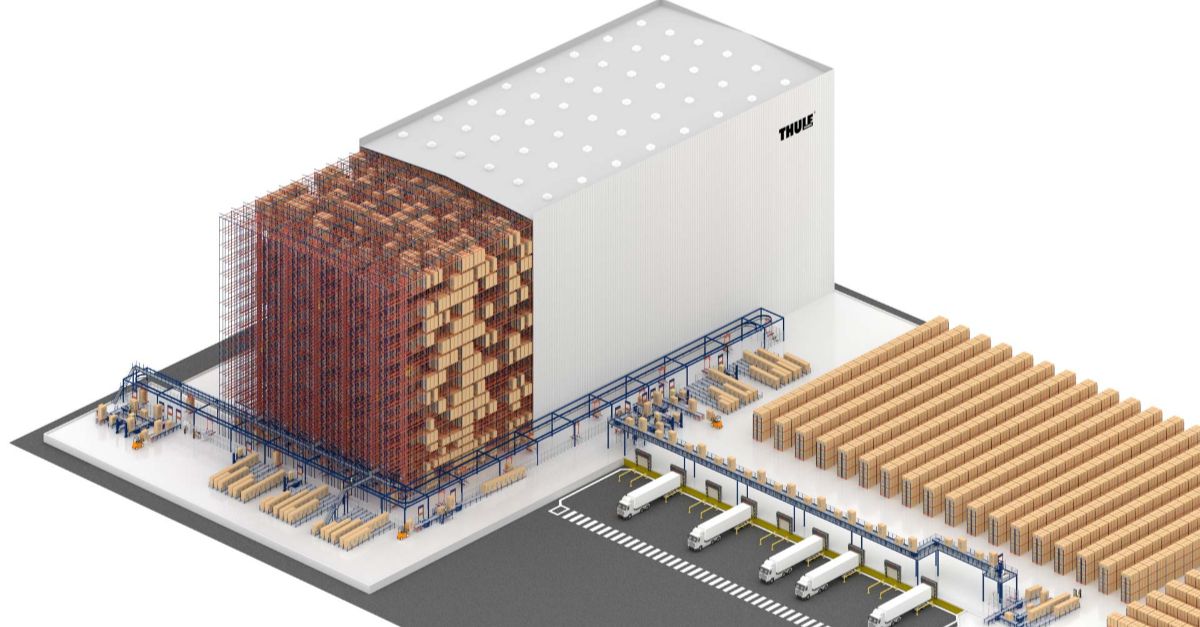
A warehouse management system (WMS) is the software backbone of modern fulfillment operations. It orchestrates receiving, putaway, inventory tracking, picking, packing, shipping, and labor management within a warehouse or distribution center. As e-commerce volumes grow and customer expectations for speed intensify, selecting the right WMS has become a strategic decision with long-term operational implications.
This guide compares the leading WMS platforms on the market, breaks down the features that matter most, and provides a framework for making an informed selection.
Why WMS Matters
Without a WMS, warehouses rely on manual processes, spreadsheets, or basic ERP modules that lack the granularity needed for complex fulfillment. A purpose-built WMS delivers measurable improvements across several dimensions:
- Inventory accuracy: Real-time tracking reduces discrepancies from the industry average of 63% accuracy to 99%+ with barcode or RFID scanning.
- Labor productivity: Optimized pick paths, wave planning, and task interleaving can increase picks per hour by 20-40%.
- Order accuracy: Scan-verified processes reduce mispicks and shipping errors to below 0.1%.
- Space utilization: Slotting optimization ensures fast-moving SKUs are in ergonomic, accessible locations while slow movers occupy less prime real estate.
Leading WMS Platforms
Manhattan Associates
Manhattan Active Warehouse Management is a cloud-native, microservices-based platform consistently ranked as a leader by analysts. It offers unified inventory visibility across warehouses, stores, and in-transit stock. Its strengths include advanced slotting optimization, labor management, and native integration with Manhattan's transportation management system (TMS).
Manhattan is best suited for large enterprises with complex, high-volume operations. Its pricing reflects this positioning, typically requiring six-figure annual commitments.
Blue Yonder (formerly JDA)
Blue Yonder's Luminate Warehouse Management leverages the company's AI and machine-learning capabilities for demand-driven fulfillment. It excels at dynamic wave planning, predictive labor scheduling, and integration with Blue Yonder's broader supply chain planning suite.
Blue Yonder is a strong choice for organizations that want tight integration between warehouse execution and upstream demand planning.
Oracle Warehouse Management
Oracle Cloud WMS is part of the Oracle Fusion Cloud Supply Chain suite. It offers robust integration with Oracle ERP, procurement, and transportation modules. Features include mobile-enabled task execution, IoT device integration, and configurable workflows.
Oracle is ideal for companies already invested in the Oracle ecosystem, as it eliminates the complexity of third-party integrations.
SAP Extended Warehouse Management (EWM)
SAP EWM integrates deeply with SAP S/4HANA and offers advanced features including resource management, yard management, and cross-docking. It supports highly automated warehouses with material-flow system (MFS) integration for conveyors, sorters, and AS/RS systems.
SAP EWM is the natural choice for SAP-centric organizations, particularly those with automated or semi-automated facilities.
Korber (formerly HighJump)
Korber Supply Chain offers a flexible WMS platform that supports cloud, on-premises, and hybrid deployments. It is known for its configurability and ability to handle diverse fulfillment models including B2B, B2C, and wholesale.
Korber is a solid mid-market to enterprise option, particularly for 3PL operators managing multiple client configurations.
Logiwa and ShipHero
For small to mid-sized businesses and direct-to-consumer brands, cloud-native platforms like Logiwa and ShipHero offer faster implementation, lower upfront costs, and pre-built integrations with Shopify, Amazon, and other e-commerce marketplaces.
These platforms trade some enterprise-grade depth for ease of use and rapid time-to-value.
Critical Features to Evaluate
Receiving and Putaway
Look for ASN (advance shipping notice) processing, quality inspection workflows, system-directed putaway based on velocity, size, or product attributes, and cross-docking capabilities for flow-through operations.
Inventory Management
Essential capabilities include lot and serial number tracking, expiration date management (FEFO picking for perishables), cycle counting workflows, and real-time inventory visibility across locations.
Order Fulfillment
Evaluate wave planning, waveless/streaming order release, pick optimization (batch, zone, cluster picking), pack verification, and shipping carrier integration. The ability to handle complex order profiles including kitting, subscription boxes, and personalization is increasingly important.
Labor Management
Integrated labor management modules track individual productivity, calculate engineered labor standards, and enable incentive-based compensation programs. This data is essential for workforce planning and continuous improvement.
Integration and Extensibility
A WMS must integrate with ERP, OMS, TMS, and warehouse automation systems. Evaluate the availability of pre-built connectors, API robustness, EDI support, and the vendor's middleware or integration platform.
Deployment Models
Cloud / SaaS: Lower upfront cost, automatic updates, faster deployment. Best for most new implementations.
On-premises: Greater control over data and customization. Still preferred in some regulated industries or regions with data-sovereignty requirements.
Hybrid: Runs core logic on-premises with cloud-based analytics, planning, or disaster recovery. Useful for gradual cloud migration.
Selection Framework
Choosing a WMS requires balancing functionality, cost, implementation risk, and long-term scalability. Start by documenting your operational requirements, volume profiles, and integration needs. Shortlist vendors whose core strengths align with your priorities. Conduct scripted demos using your actual order and inventory data rather than canned presentations.
Request references from customers with similar operational profiles. Factor in total cost of ownership including implementation services, annual licensing, ongoing support, and the cost of future upgrades or customizations.
The right WMS is not the one with the most features; it is the one that best fits your operational complexity, growth trajectory, and technology ecosystem.