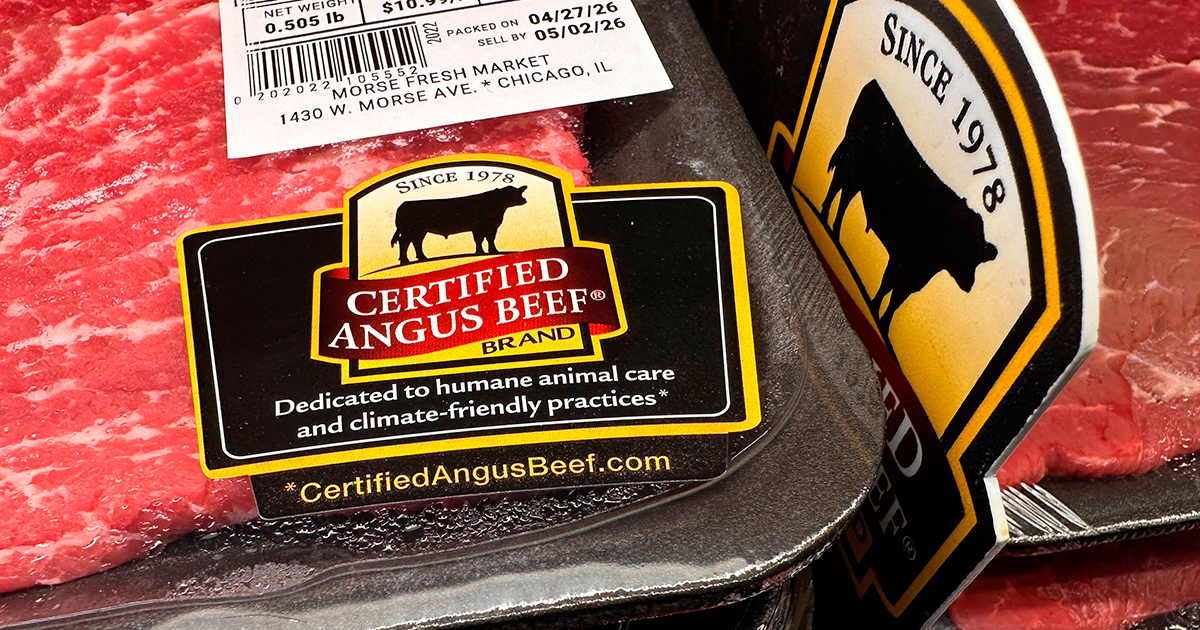
So, the Wall Street Journal is reporting the U.S. plans to temporarily slash tariffs on beef imports. Normally, I’d roll my eyes and wait for the official press release, but let’s entertain this for a second. Tariffs. They’re supposed to protect domestic industries, right? Keep American jobs secure, encourage local production. That’s the story, anyway. But then you hear about tariff reductions, and suddenly you’ve got to ask: is this a win for consumers, a concession to international pressure, or is someone in a corner office somewhere popping champagne because their bottom line just got a little fatter?
This isn’t exactly uncharted territory. Governments love to tinker with tariffs like they’re adjustable thermostats. Sometimes it’s about retaliating against trade partners, other times it’s a supposed nod to affordability. But when the dust settles, and the ink on the paperwork is dry, the most interesting part is always tracking the money. Who’s getting the windfall? Because let’s be honest, very rarely does a tariff adjustment trickle down to the average Joe at the grocery store in a way that feels like a genuine discount. It’s usually more about shifting profit margins.
Who’s Holding the Steaks?
At its core, lowering tariffs on imported beef suggests a few possibilities. One, domestic supply might be tighter than usual. Droughts, disease, or just general market fluctuations can cause shortages. In such scenarios, imports become a necessary crutch to keep the market stocked and prices from going stratospheric. Another angle? Perhaps there’s pressure from retail giants or food service companies who rely on a steady stream of imported beef to meet their demand and, critically, their profit targets. They clamor for lower input costs, and voilà, a tariff reduction conveniently lands in their lap.
It’s hard not to see the echoes of past trade skirmishes here. We’ve seen these kinds of temporary fixes before, often during periods of heightened geopolitical tension or when domestic producers are facing specific headwinds. The timing is always suspect, conveniently aligning with economic pressures or political maneuvering. The official line will undoubtedly be about consumer relief and market stability. But dig a little deeper, and you’ll find the real beneficiaries are likely the importers and large distributors who can absorb the cost savings and, shall we say, reinvest them. It’s rarely about patriotism; it’s about profit margins.
“The move signals a potential shift in strategy, aiming to balance domestic supply concerns with the economic realities of global trade.”
This kind of statement, while sounding official, is pure PR fluff. It’s a carefully worded phrase designed to obscure the actual machinations. Balance? Economic realities? What it means is someone’s lobbyists did a bang-up job, or a major retailer is getting exactly what they want. For two decades, I’ve watched these policy decisions roll out, and the narrative rarely matches the financial incentives. The supply chain is a complex beast, and sometimes, these tariff adjustments are just minor adjustments to keep the behemoth from tipping over entirely, or worse, to allow a select few to skim more cream off the top.
What Does This Mean for the Rancher?
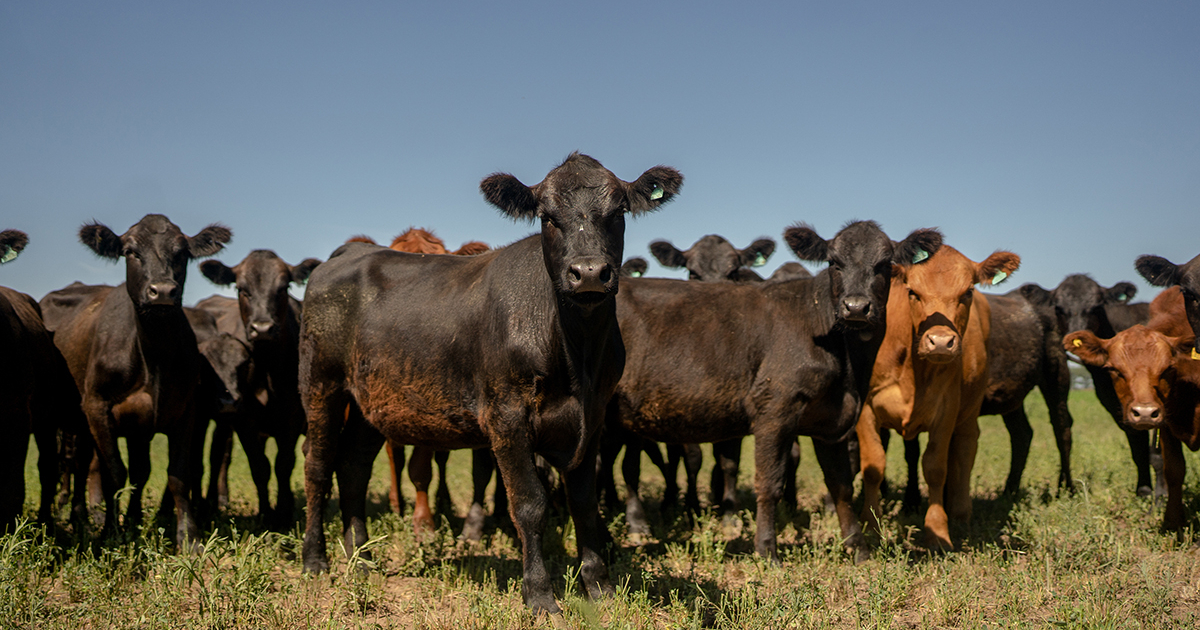
And what about the American ranchers? Their livelihoods depend on being competitive. When imported beef becomes cheaper, their own product, despite being domestically produced, can struggle to find buyers at a price that covers their costs. It’s a delicate dance, and one that often leaves the small to mid-sized producers out in the cold. They’re the ones who don’t have the political pull to lobby for protective tariffs, and they’re the ones who feel the sting when those tariffs are lowered for the benefit of larger, more powerful players.
This isn’t about protecting American jobs if it means undermining American farmers. It’s a bit of a head-scratcher, isn’t it? The government claims to support local agriculture, yet here we have a move that could directly impact the price competitiveness of American-raised beef. It feels like a classic case of the left hand not knowing, or perhaps not caring, what the right hand is doing. Or maybe they do know, and this is simply the price of doing business in Washington.
Is This Just a Band-Aid?
Ultimately, these temporary tariff reductions often feel less like genuine policy shifts and more like short-term fixes. They can mask underlying issues within the agricultural sector or global trade dynamics. Will it bring down the price of a burger at your local fast-food joint? Maybe a cent or two, if you’re lucky. Will it make a significant dent in the profits of the companies importing the beef? Absolutely. And that’s where the real story lies – in the quiet negotiations and the subsequent financial gains that rarely make headlines, but are the driving force behind every policy change.
For consumers, the hope is for more affordable options. For domestic producers, it’s a reminder of the constant battle for market share. And for the observers like me? It’s another chapter in the ongoing saga of who truly pulls the strings in the global marketplace.