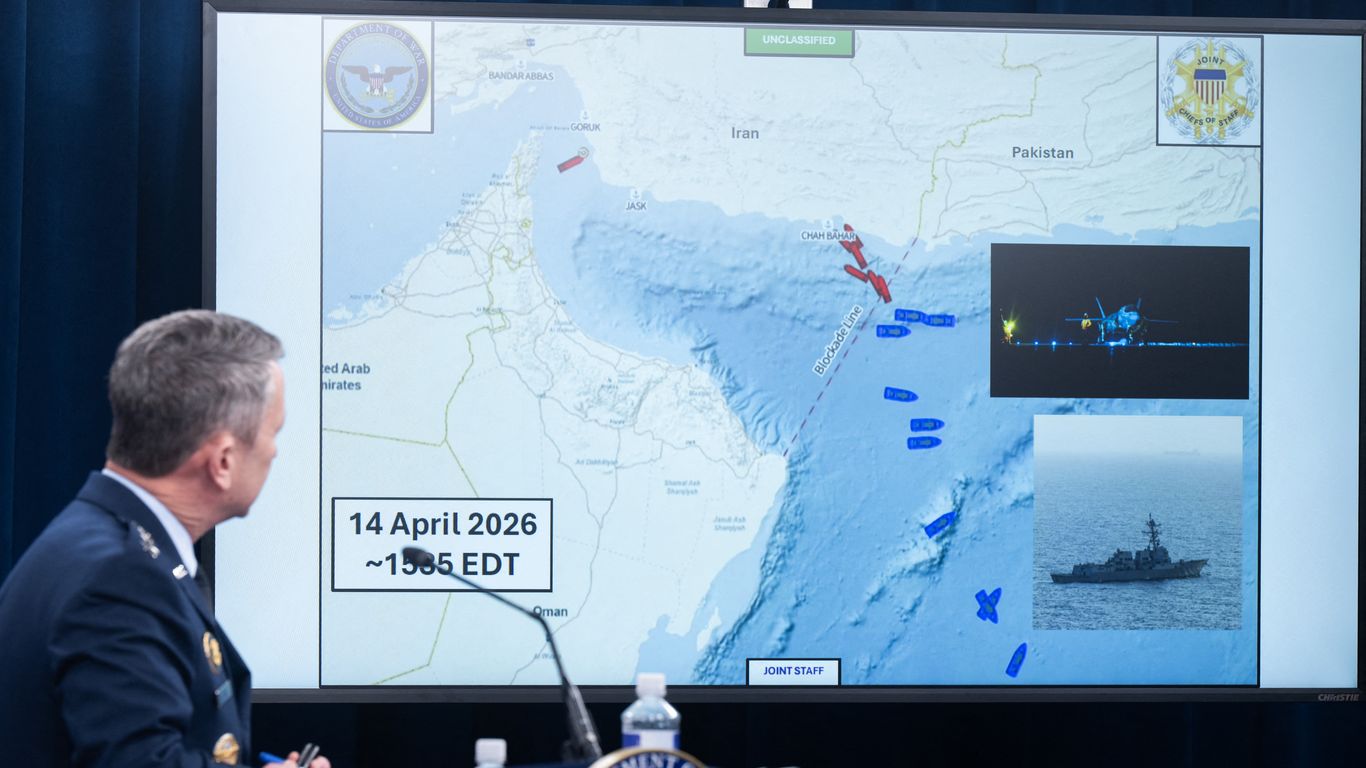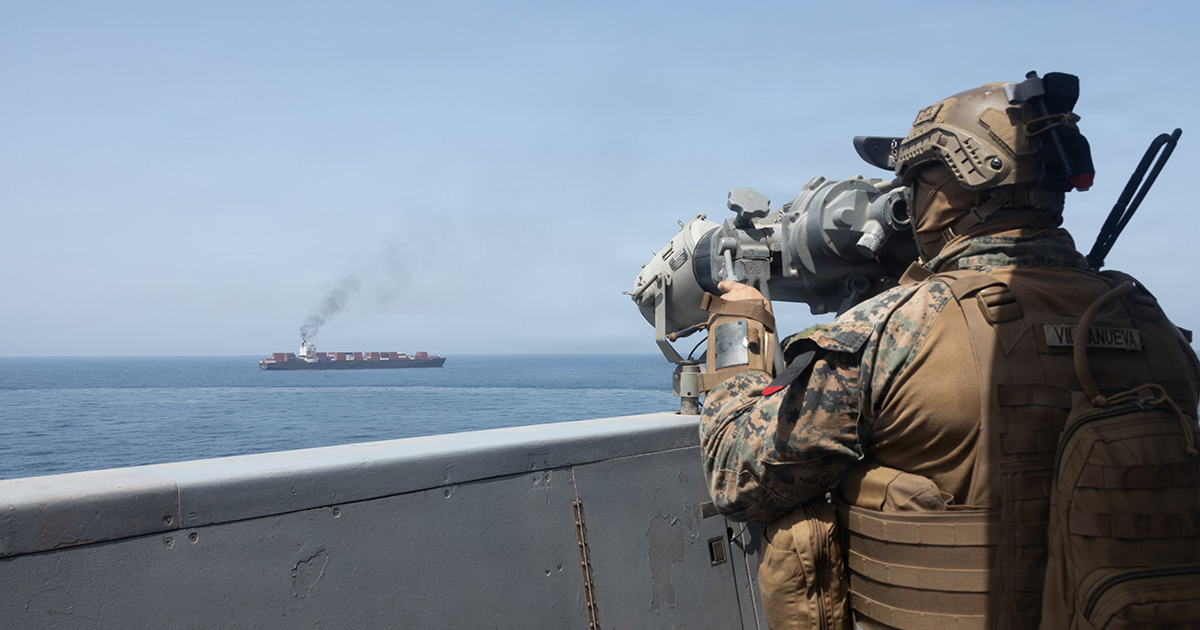
A single run through the Strait of Hormuz by U.S. Navy destroyers, flanked by an armada of aircraft and personnel, is now costing an estimated $10 million. That figure, a stark indicator of the escalating financial burden, doesn’t even account for potential engagement with Iranian forces. It’s a colossal sum, especially when you consider the Pentagon’s already ballooning conflict expenses, which some estimates peg at a staggering $25 billion. And for what? Commercial traffic, the real economic engine of the region, remains effectively at a standstill.
This isn’t just a matter of operational expenses. The Navy’s involvement, while intended to project strength, is depleting critical stockpiles of high-end air and missile defense weapons. These aren’t trinkets; we’re talking about interceptors that can cost upwards of $1 million to $6 million a pop, with specialized units like the SM-3 Block IIA running north of $25 million. The Navy already burned through over a billion dollars in similar interceptors during its Red Sea mission against the Houthis. The math here is unforgiving: more transits mean more potential engagements, and more depleted arsenals.
What did one mission, dubbed “Project Freedom,” actually entail? Two destroyers, approximately 100 aircraft, 15,000 service members, and a suite of drones. The operational cost alone for the destroyers hovers around $600,000 per day. Add to that the flight hours for aircraft—ranging from $4,500/hour for a C-130J to a jaw-dropping $85,000/hour for a B-1B bomber—and an eight-hour mixed operation pushes the total towards $10 million. This is before we even consider the actual cost of missiles fired in defense, which could add millions more to a single incident.
And here’s the brutal reality: these naval passages alone aren’t opening the strait for the more than 1,500 commercial vessels stuck in the Persian Gulf. As retired U.S. Navy Captain Thane Clare points out, the fact that U.S. warships themselves are being targeted by Iran shows that unescorted commercial ships are still facing significant threats. It’s a dangerous feedback loop. The more the Navy asserts its presence, the higher the risk of confrontation, which in turn justifies continued commercial shipping paralysis.
“The more transits the U.S. Navy do, the more likely it is that a hit will happen if Iran keep firing on them,” said Emma Salisbury of the Foreign Policy Research Institute and the Royal Navy Strategic Studies Centre. “As long as Iran can keep up the risk of transit, whether through fires or mining, the strait won’t get back to being ‘open’ like it was prior to the war.”
What options are left? According to Caitlin Talmadge of MIT, it’s not about brute-force military campaigns. There are no easy answers. The real solution likely involves either taking control of the areas from which Iran can launch attacks—a costly military endeavor in itself—or negotiating an end to the conflict. The current strategy, a series of expensive naval forays, appears to be little more than a very costly holding pattern, an expensive signal flare with no demonstrable impact on commercial flow.
This situation echoes historical instances where military power, even when significant, failed to achieve specific economic objectives without a broader political or diplomatic resolution. Think of naval blockades in past conflicts; while they could inflict damage, they often didn’t single-handedly force capitulation or instantly restore trade routes without addressing the underlying political will of the blockaded entity. The US Navy’s current approach in the Strait of Hormuz, despite its formidable capabilities, seems destined for a similar fate if the political dimension isn’t addressed.
The Pentagon’s assertion that the conflict has already cost $25 billion, a figure many believe is conservative, underscores the scale of financial commitment. When you layer on millions of dollars per transit, the cumulative cost is astronomical. This isn’t a sustainable strategy for restoring global supply chains, particularly when alternative transportation routes, while often longer and more expensive, are being considered out of sheer necessity. The economic toll of a perpetually blocked Strait of Hormuz, amplified by these high-cost naval operations, will continue to ripple through global markets.
Is This Strategy Working?
Objectively, no. Commercial traffic is still at a standstill. The Navy’s presence, while a deterrent to direct attacks on its own vessels, hasn’t created a secure environment for civilian shipping. The core issue remains Iran’s demonstrated ability to disrupt transit, and the Navy’s expensive missions haven’t fundamentally altered that calculus.
Why Does This Matter for Logistics Companies?
For logistics companies, the ongoing blockage of the Strait of Hormuz is a persistent operational nightmare. It forces rerouting, inflates shipping costs, and introduces significant delays. Companies reliant on the efficient movement of oil, gas, and other commodities through this critical chokepoint face increased uncertainty and higher overheads. The financial strain on the US Navy also raises questions about long-term resource allocation and the potential for similar disruptions to impact other key maritime trade routes.
🧬 Related Insights
- Read more: AI Unleashes Supply Chain Interoperability Now
- Read more: Warehouse Robotics Guide: Types, Vendors, and ROI Analysis
Frequently Asked Questions
What are the primary costs associated with US Navy missions in the Strait of Hormuz? The primary costs include operational expenses for warships and aircraft, extensive personnel deployment, surveillance measures, and crucially, the potential expenditure on high-cost air and missile defense interceptors. Individual missions are estimated to cost around $10 million.
Will US Navy transits reopen the Strait of Hormuz for commercial traffic? According to experts, repeated Navy transits alone are unlikely to reopen the strait. The ongoing threat from Iran means unescorted commercial vessels will continue to face risks, necessitating a resolution to the underlying conflict or significant control over Iranian attack capabilities.
What is the total cost of the conflict in the Persian Gulf? The Pentagon has stated the conflict has already cost $25 billion, though some external estimates suggest the total could be higher.