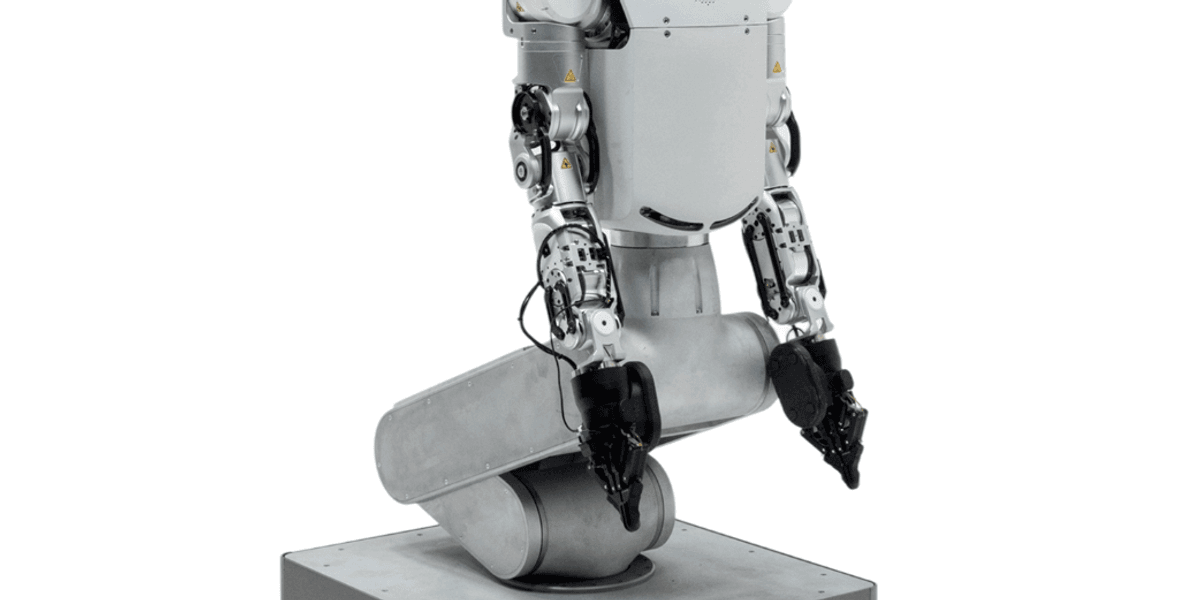
The metallic hum of servos is about to get a whole lot more complex on the automotive assembly line. Schaeffler, a global behemoth in the automotive parts industry, just inked a deal with Humanoid Inc. that could see “thousands” of bipedal and wheeled robots—robots that look eerily human from the waist up, complete with grasping arms—scurrying through their factories by the end of 2026. This isn’t just a pilot program; it’s a statement of intent, a bet on a future where a significant chunk of the grunt work is handled not by flesh and blood, but by silicon and steel.
Here’s the kicker: Schaeffler isn’t just buying the robots; they’re becoming a preferred supplier of actuators for Humanoid Inc.’s wheeled platforms. We’re talking a “seven-digit number”—potentially millions—of joint actuators over five years. It’s a symbiotic, almost incestuous, relationship that suggests a deep dive into the underlying architecture of these machines, not just a superficial application.
Why now? The pressure on manufacturing is relentless. Labor shortages are a persistent headache, and the push for efficiency, for that razor-thin edge in a hyper-competitive global market, is ever-present. Companies like Schaeffler are searching for solutions that can adapt, scale, and, crucially, operate without the same logistical and human resource demands as traditional workforces.
The Robot-as-a-Service Playbook
The structure of this deal is particularly telling. It’s a Robot-as-a-Service (RaaS) model. This means Humanoid Inc. isn’t just shipping boxes of metal. They’re providing the entire ecosystem: the robots, the fleet management software, the 24/7 tech support, the updates, and the ongoing performance monitoring. For Schaeffler, this abstracts away a massive amount of operational complexity. They get the functionality without necessarily needing to build out an entire in-house robotics maintenance and IT division. It’s a clean, predictable operational expense rather than a massive capital outlay—a strategy that appeals to the C-suite looking for predictable ROI and reduced CapEx.
It echoes the broader trend we’ve seen in industrial automation, moving from outright purchase to service-based models. Think of it like cloud computing for physical labor. You don’t buy servers; you rent computing power. Here, Schaeffler isn’t buying robots; they’re renting the ability to have tasks performed. This flexibility is key, especially as the technology evolves at breakneck speed.
“This design means Lapp doesn’t just save labor—it gains reliable visibility that keeps orders flowing, reduces the chance of errors …, and strengthens supply chain performance end to end,” Corvus Robotics’ leaders said in a statement describing the Lapp deployment.
Consider the case of Lapp USA, the industrial cable distributor. They grappled with manual inventory counts, a process so labor-intensive it tied up 12.5% of their workforce. Errors were rampant, fulfillment was sluggish, and customer service suffered. Their solution? Corvus Robotics’ autonomous inventory drones. These drones fly nightly, scanning racks, capturing images, and feeding an automated workflow that provides precise, real-time inventory data. The result: a 60% labor saving, redeployed staff, and drastically improved accuracy. This isn’t a direct parallel to humanoid robots on an assembly line, but the underlying principle is the same: using autonomous systems to address operational inefficiencies and human limitations.
Is This the End of Human Factory Workers?
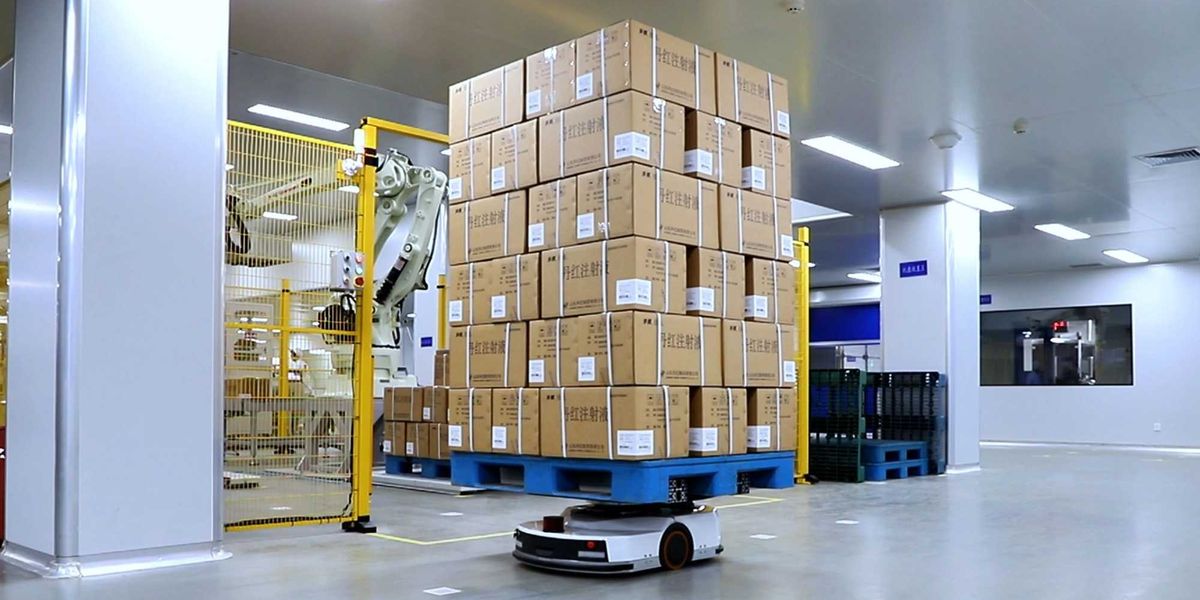
Let’s be clear: “thousands” of humanoid robots isn’t a trivial number. Initial deployments in Germany, starting late 2026, will focus on tasks like box handling. This isn’t about replacing highly skilled assembly line workers—at least not yet. It’s about taking over the repetitive, often ergonomically challenging, or dangerous tasks that are a constant drain on human resources and a source of potential injury. The goal seems to be augmentation, not outright replacement, creating a more fluid, collaborative environment between human supervisors and robotic workers.
However, the long-term implications are profound. As these robots become more sophisticated, and as the RaaS model gains traction, the economic calculus for employing human labor will inevitably shift. Will we see a bifurcated workforce, with highly skilled individuals overseeing complex operations and robots handling the rest? Or will the drive for cost optimization lead to a more dramatic reduction in human roles over time?
The corporate PR spin will, of course, be about efficiency and progress. But the skeptical journalist in me sees a clear strategic move to de-risk manufacturing operations from the vagaries of the labor market. It’s about predictable output, 24/7 operation, and a diminishing reliance on human capital for tasks that can be codified into algorithms. The investment in actuators also speaks to a deeper engagement: Schaeffler isn’t just a customer; they’re becoming an intrinsic part of the robotic supply chain itself, cementing their role in this new automated era.
We’re witnessing an architectural shift in how factories will operate. The question is no longer if robots will be a major part of manufacturing, but how deeply they will integrate and what the human role will ultimately become in this increasingly automated landscape. This Schaeffler-Humanoid Inc. deal is a significant data point in that unfolding story.
🧬 Related Insights
- Read more: DHL Express Adds 3,000kg Air Cargo Punch
- Read more: Trade Volatility: Why Factories Are Learning to Dance with Tariffs in 2026
Frequently Asked Questions