Forget the Hollywood hype. China’s new Five-Year Plan isn’t about sentient droids taking over your living room. It’s about making factories hum louder, faster, and with more precision. This isn’t a surprise party for humanoid robots; it’s a strategic pivot towards the workhorses that actually drive economies: industrial robots. And for consumers? It means cheaper goods, possibly. Or maybe just more robots doing the jobs humans used to do.
Let’s be clear: China already eats the world’s lunch when it comes to industrial automation. They’ve got more operational robots than Japan, by a country mile (4.5 times more, to be exact). And half of all the new industrial robots installed globally? Yep, they went to China. So this isn’t exactly coming out of left field. It’s more like China deciding to give its already dominant automation game a serious AI upgrade.
Robots in the Spotlight, Not Humanoids
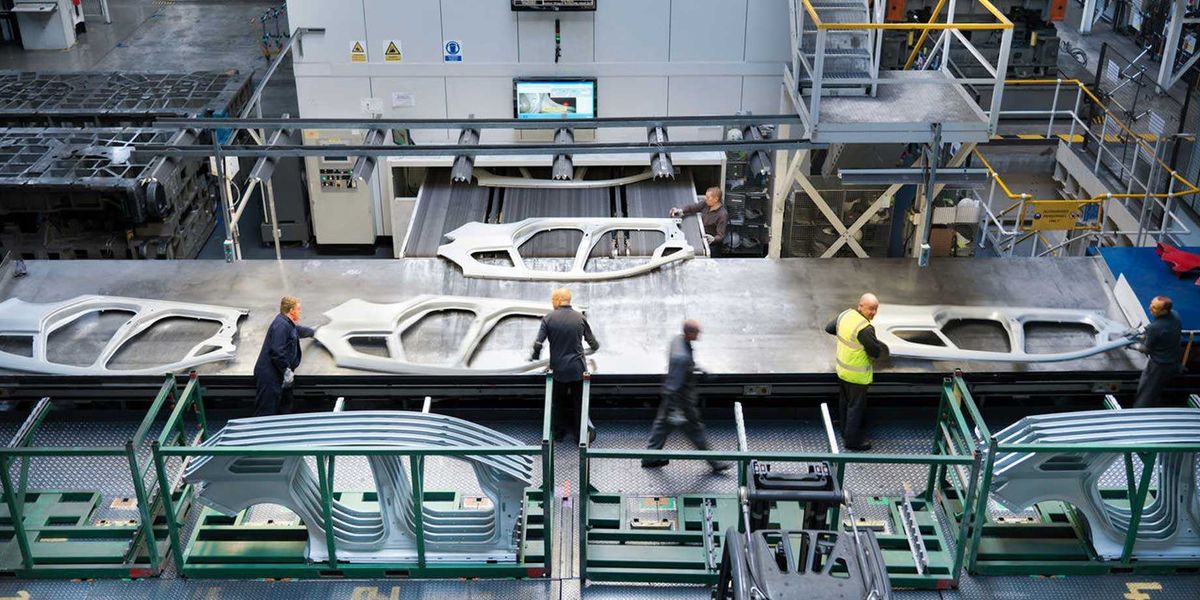
This whole push is about practical applications. Humanoid robots? They’re flashy, sure, but they’re not the current priority. The plan emphasizes traditional industrial robots. Why? Because when you need a specific, repetitive task done at lightning speed and with zero deviation, a specialized industrial arm is your guy. They’re the silent, tireless backbone of high-precision manufacturing. They’re not built for small talk; they’re built for production.
Humanoid robots, on the other hand, are the generalists. They can move, they can interact. Good for service jobs, factory floor assistance, maybe even helping your grandma. But they’re not the workhorses needed to churn out millions of widgets. China knows this. They’re shelving the widespread commercialization of humanoids until the tail end of this plan, looking instead at integrating AI deeply into the established industrial robotics sector over the next five to ten years.
“Under the new framework, China is shifting its focus from traditional industrial automation to high-end, intelligent robotics integrated with artificial intelligence.”
This isn’t just a technical upgrade; it’s a geopolitical signal. China is doubling down on its manufacturing prowess, using AI to push it into the “high-end” space. This means more sophisticated automation, tighter quality control, and likely, a further concentration of manufacturing might within its borders. The rest of the world is left to either play catch-up or find new niches.
What does this mean for the rest of us? Well, if you’re in manufacturing, expect increased competition. If you’re a consumer, expect more goods churned out with even greater efficiency. It also means the narrative around AI is finally, blessedly, getting a dose of reality. It’s not always about a conscious machine; sometimes, it’s about a smarter, faster robot arm.
And here’s the kicker: the International Federation of Robotics (IFR) points out that thousands of subordinate plans will now align with this overarching directive. This isn’t a suggestion; it’s a mandate. Every regional and sectoral plan has to bend the knee to this AI-robotics integration strategy. It’s a top-down, all-in bet.
This focus on practical, industrial AI robotics signals a maturing of China’s approach. They’ve seen the limitations of chasing every shiny new tech. Now, they’re optimizing what they’re already best at. It’s a move that acknowledges the fundamental drivers of economic output: efficiency, scale, and precision. The future of manufacturing in China isn’t going to be built by bots that look like us, but by bots that work like machines—only better.
Will this lead to more job losses in developed nations? Almost certainly. Will it make goods cheaper? Potentially, but don’t hold your breath for a sudden drop in prices. The real impact is on global supply chains and the ever-widening gap in advanced manufacturing capabilities. China is solidifying its position not just as the world’s factory, but as the world’s most advanced factory.
And that, my friends, is a story far more compelling than any rogue AI chatbot. It’s about power, economics, and the relentless march of automation. The robots are here, and they’re punching the clock in factories across China. Just don’t expect them to ask for a coffee break.
The Industrial Robot Takeover: Is it Already Here?
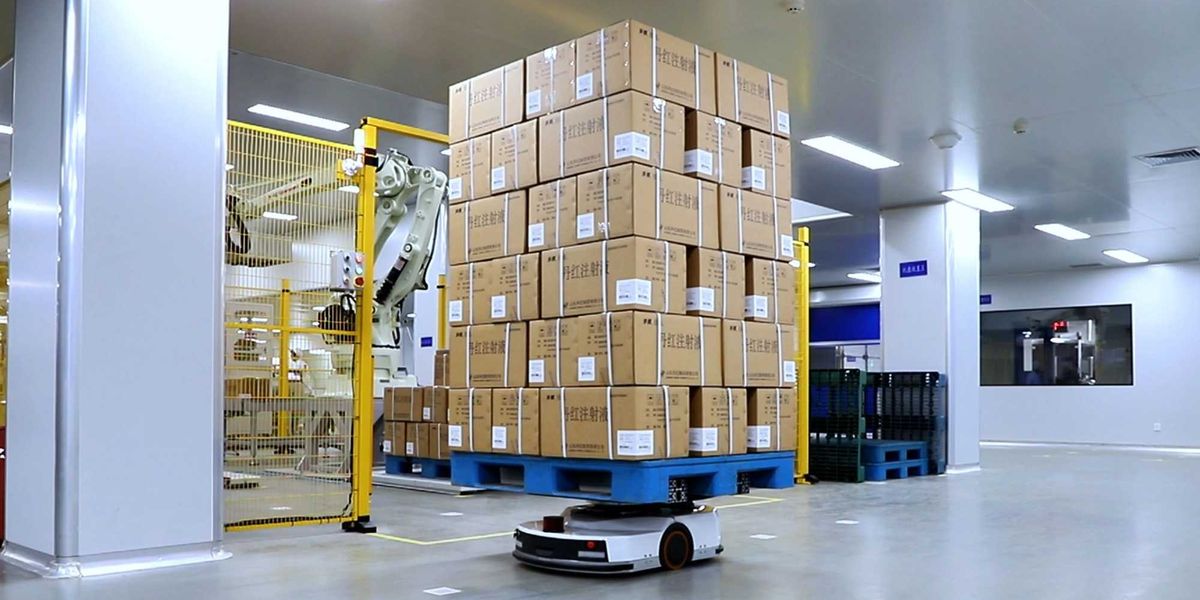
China’s commitment to integrating AI with traditional industrial robots isn’t some distant future fantasy. It’s happening now. The sheer scale of their existing robot stock is staggering. When you install 54% of the world’s new industrial robots annually, you’re not dabbling. You’re committed. This isn’t about a few pilot programs; it’s about an entire national strategy. The integration of AI into these machines means they’ll get smarter, faster, and more adaptable. Think fewer errors, higher throughput, and even more complex tasks being automated. It’s a win for efficiency, a win for production output, and a definite challenge for regions that rely on lower-skilled manufacturing labor.
Why the AI Robot Focus Now?
China’s strategic shift is less about novelty and more about optimizing existing strengths. They’ve mastered large-scale industrial automation. Now, they’re layering AI onto that foundation to achieve next-level performance. It’s about moving up the value chain, producing more sophisticated goods, and maintaining a competitive edge in a global market increasingly driven by technological advancement. This isn’t about replacing human creativity or complex problem-solving; it’s about augmenting the brute force of manufacturing with the precision and learning capabilities of AI. It’s a calculated evolution, aiming for dominance through enhanced efficiency and intelligence, rather than by building robots that mimic humans.
🧬 Related Insights
- Read more: $127B Tariff Refunds: CBP Portal Launches April 20
- Read more: US Ports Get $774M for Infrastructure Upgrades
Frequently Asked Questions
What does China’s Five-Year Plan mean for global manufacturing? It signifies a continued strengthening of China’s position as a manufacturing powerhouse, with an emphasis on high-end, AI-integrated industrial robotics. This could lead to increased competition for manufacturers elsewhere and potentially more efficient production of goods.
Will China’s AI robots replace human jobs? China’s focus is on traditional industrial robots for specialized tasks. While this will undoubtedly automate more production line roles, the plan doesn’t prioritize humanoid robots for widespread service or interaction jobs in the short to medium term. The impact on jobs globally will likely involve a shift in demand towards roles involving AI development, maintenance, and oversight.
Are humanoid robots completely out of the picture? No, but their widespread commercialization is pushed to the end of the current Five-Year Plan period. China sees value in humanoid robots for service applications, but the immediate strategic priority is leveraging AI to enhance existing industrial automation.