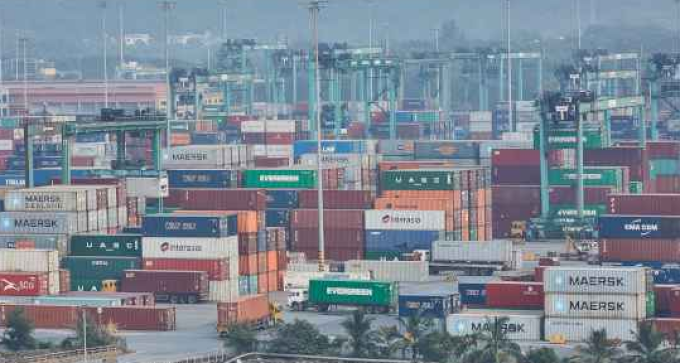
Containers swarm the docks at JNPA, Nhava Sheva — Mumbai’s beast of a port — where March’s transhipment volumes exploded to 121,000 TEU, up from a measly 35,000 the month before.
India’s just extended its cabotage rule relaxation. Six more months, until October. No revocation in April, as planned.
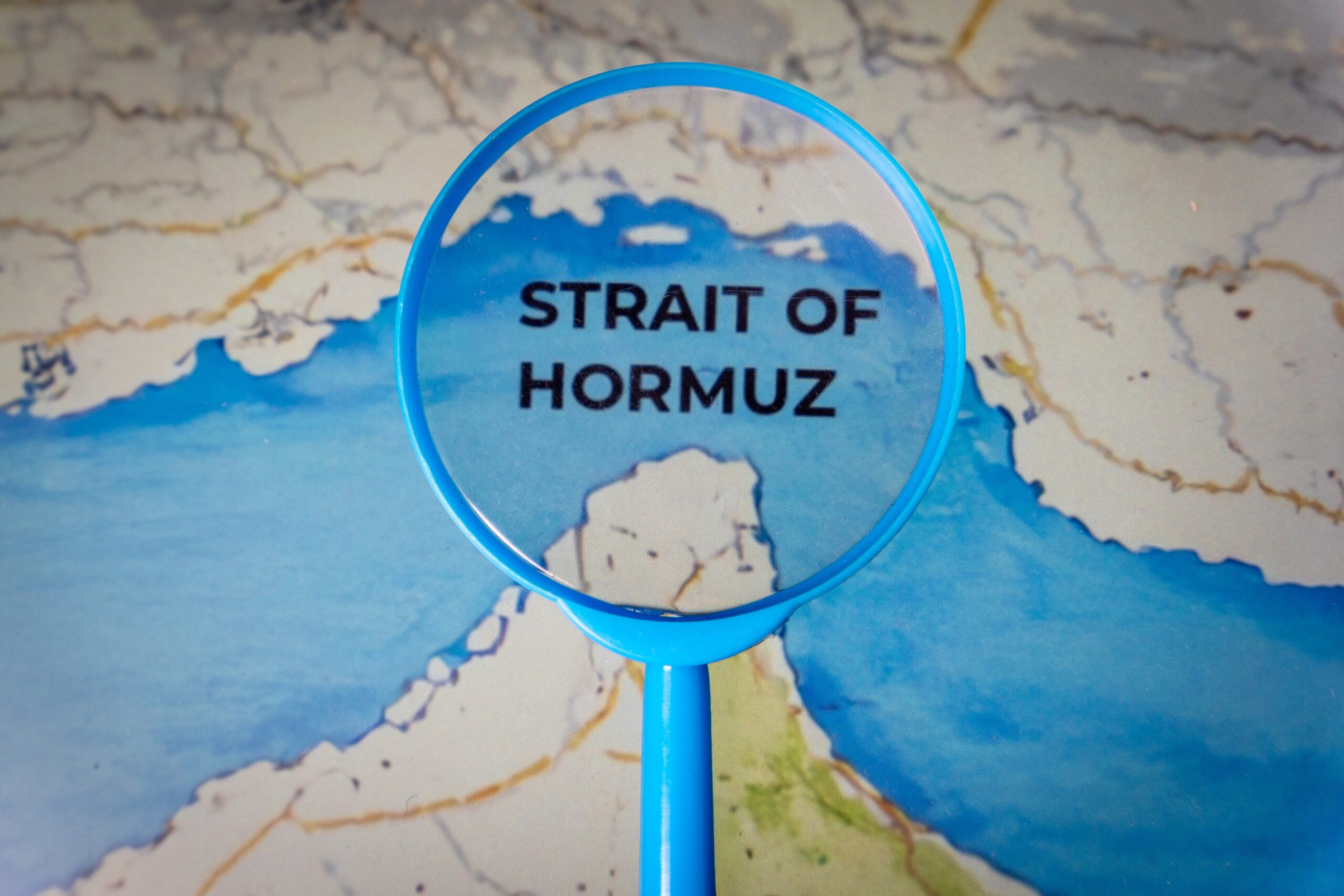
Here’s the thing: this isn’t some knee-jerk reaction. Middle East disruptions — think suspended Persian Gulf ports, Red Sea reroutings — have funneled stranded cargo straight to Indian hubs like JNPA and Mundra. Foreign-flagged lines, screaming for relief, got heard. New Delhi’s Ministry of Ports, Shipping and Waterways dropped the order: a “limited and time-bound extension” for “operational continuity and stability.”
Why Is India Extending Cabotage Rules Now?
Cabotage rules? They’re the fences keeping foreign vessels from domestic coastal trades — meant to protect local shipping. India relaxed them back in 2018 to juice transhipment, turning ports into Asian relay points instead of forcing cargo to Singapore or Colombo. It worked, sort of: volumes grew, exporters skipped costly detours. But January’s revocation notice? Blamed lack of “desired results.” Now? Backburner.
Stakeholders — Container Shipping Lines’ Association chief among them — lobbied hard. Transhipment’s booming; why choke it? > “The Ministry of Ports, Shipping and Waterways, after a detailed review and feedback from stakeholders, has considered a limited and time-bound extension of the implementation timeline in view of the exceptional and evolving global circumstances, to ensure operational continuity and stability in container shipping operations.”
That’s the official line. Clean, bureaucratic. But dig deeper: this extension exposes the fragility of global shipping’s hub-and-spoke architecture. Disrupt one chokepoint — Persian Gulf — and India’s secondary ports light up like Christmas trees. JNPA’s March spike? Provisional data, but it screams rerouting reality.
But wait — divergent views simmer.
Some insiders whisper the government’s playing a long game. Weaponizing these levers to force foreign lines into reflagging vessels under Indian flags. Hapag-Lloyd just signed a letter of intent for up to four ships. No timelines yet, sure — “subject to further discussions, internal assessments” — but it’s happening. Maersk, others too. It’s not hype; it’s use.
Does Cabotage Relaxation Actually Boost Indian Ports?
Look, the numbers don’t lie. Pre-disruption, relaxation already nudged transhipment up, cutting reliance on other Asian hubs. Post-Red Sea mess? Exponential. Mundra’s seeing it too, though JNPA steals the show. Foreign lines argue it directly fueled this growth — why reimpose now?
Yet skeptics — local industry voices — call BS on full liberalization. They want those flagged ships, jobs, tonnage under Indian registry. This six-month reprieve? A carrot to sweeten the reflagging pot. My unique take: it’s echoing 1990s U.S. Jones Act battles, where cabotage protections birthed a domestic shipping lobby that still grips the Jones Act today. India’s flirting with the same path — regulatory stick to build a homegrown fleet, even if it means short-term foreign dependence. Bold prediction: by 2026, we’ll see 20+ reflagged vessels if volumes hold, reshaping India’s coastal trade forever.
And the PR spin? Government’s painting this as pure pragmatism. Fair enough — global chaos demands it. But don’t ignore the nationalism underneath. It’s not just about today’s diversions; it’s architecturally tilting India from transhipment pitstop to full-fledged maritime power.
Shipping lines cheer. CSLA calls it “much needed” as transhipment surges further. Exporters breathe easier — lower costs, faster relays. But local players? They’re watching, waiting for that reflagging shoe to drop.
Zoom out. This move underscores supply chain’s underlying shift: away from mega-hubs, toward resilient regional nodes. Singapore’s dominance? Chipped at. Colombo too. India’s ports, once sidelined, now pivot points in a disrupted world. Expect more such policy jinks — not rigid ideology, but adaptive hacks to capture rerouted flows.
Yet risks lurk. What if Gulf ports reopen? Volumes crash, waiver looks like a giveaway. Or worse: foreign lines drag feet on reflagging, leaving India high and dry. Government’s betting on sustained chaos — or at least enough pressure to extract concessions.
One punchy truth: this isn’t temporary. It’s a stress test revealing India’s port infrastructure’s readiness for prime time.
The Hidden Push for Indian-Flagged Fleets
Hapag-Lloyd’s LoI isn’t isolated. Major carriers are nibbling. Why? Cabotage threats as bargaining chips. Reflag a few boxships, get waiver extensions. It’s transactional genius — or coercion, depending on your seat.
Broader architecture: global lines, squeezed by disruptions, need stable relays. India delivers — deeper drafts at Mundra, capacity at JNPA. But locals demand skin in the game.
Winners? Ports, obviously. JNPA’s operators grinning at TEU spikes. Lines like Maersk, DSV navigating the mess. Losers? Pure transhipment skeptics who wanted restrictions yesterday.
And us? Watching a supply chain mutate in real time.
🧬 Related Insights
- Read more: Mileway Secures Profimaat in Amsterdam’s Hot Logistics Hub
- Read more: First US Container Futures Trade Locks In $2,650 Rate as Volatility Bites
Frequently Asked Questions
What are India’s cabotage rules?
Cabotage restricts foreign vessels from domestic coastal trades, relaxed since 2018 to boost transhipment at ports like JNPA and Mundra; now extended six months amid disruptions.
Why extend the cabotage waiver now?
Middle East port suspensions drove cargo diversions, spiking transhipment volumes — e.g., JNPA’s 121,000 TEU in March vs. 35,000 in February — demanding operational continuity.
Will foreign lines reflag ships in India?
Yes, pressure’s building: Hapag-Lloyd signed for up to four, others following, as government use rules to build a local fleet.