Hyundai’s hydrogen push.
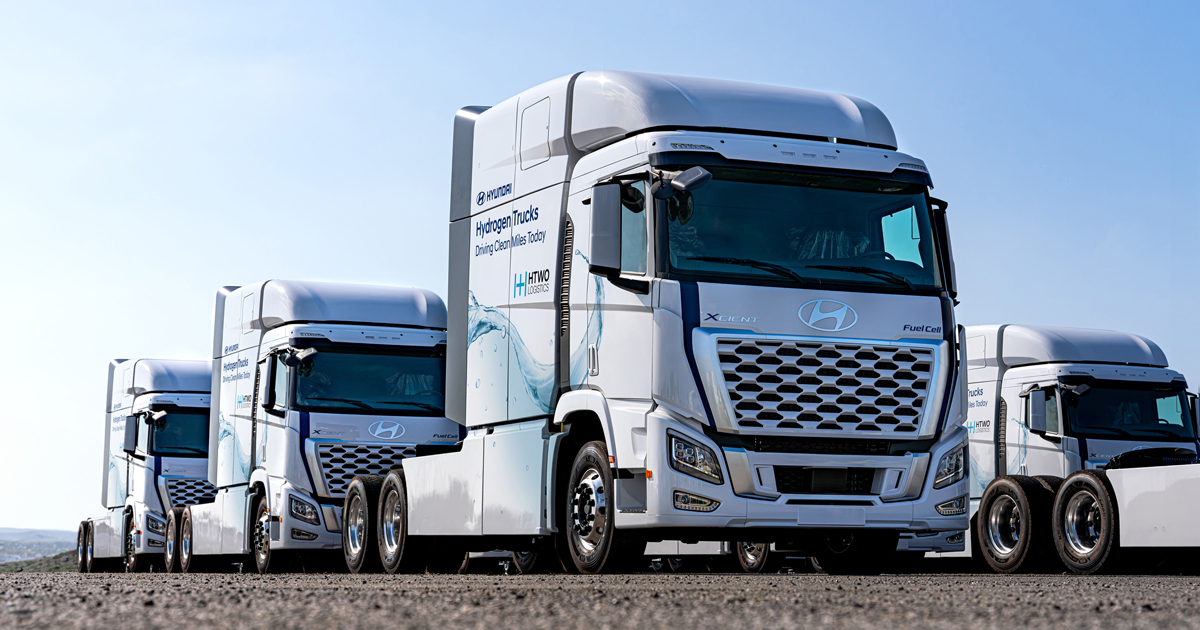
Look, another company is rolling out shiny new green tech. This time it’s Hyundai, expanding its Xcient hydrogen fuel cell electric tractor network into Canada through Breadner Trailers, its first Canadian dealer. It’s the latest salvo in the ever-growing war on tailpipe emissions, and frankly, a move that was probably overdue given the increasing regulatory pressure and corporate ESG-washing.
Hyundai Translead, the company’s trailer manufacturing arm that’s apparently also dabbling in tractor distribution now (because why not?), announced this partnership. They’re trumpeting Canada as a “key market,” which sounds nice, but let’s be real, it’s a market ripe for any company willing to put some actual metal on the road. We’ve got 11 Xcient tractors already chugging along in Canada, part of some British Columbia decarbonization effort. Up to 100 are slated for U.S. shipment in 2026. Big numbers, or just more aspirational targets designed to soothe investors?
Why Canada? Beyond the PR.
Chul Youn Park, a senior VP at Hyundai Motor, flat-out stated Canada is crucial for their global commercial vehicle strategy. High praise. But here’s the kicker: Hyundai Translead is the only truck manufacturer currently supplying Class 8 hydrogen fuel cell tractors in North America. That’s a pretty lonely throne, and it smells less like market dominance and more like a lack of serious competition—yet. Plenty of others talked a big game, then stumbled or went belly-up. Is Hyundai just better at executing, or is the market just that immature?
Breadner Trailers, already a Hyundai Translead dealer for the decidedly less futuristic trailer side of things, now gets to play with the hydrogen toys. They’ve got facilities from Ontario to New Brunswick, which means they’re trying to cover their bases, geographically speaking. The trucks themselves, built in South Korea (of course), boast a revamped 180-kilowatt powertrain, improved safety, and—drumroll please—driver comforts. Because nothing screams “efficient logistics” like a comfy seat in a $500,000 truck, right? The new system offers a 450-mile range, which is… fine. Not exactly breaking land-speed records, but certainly enough to make a depot run or two without needing a hydrogen refill station every 50 miles. Assuming, of course, you can find a hydrogen refill station.
The Real Question: Who’s Actually Making Money?
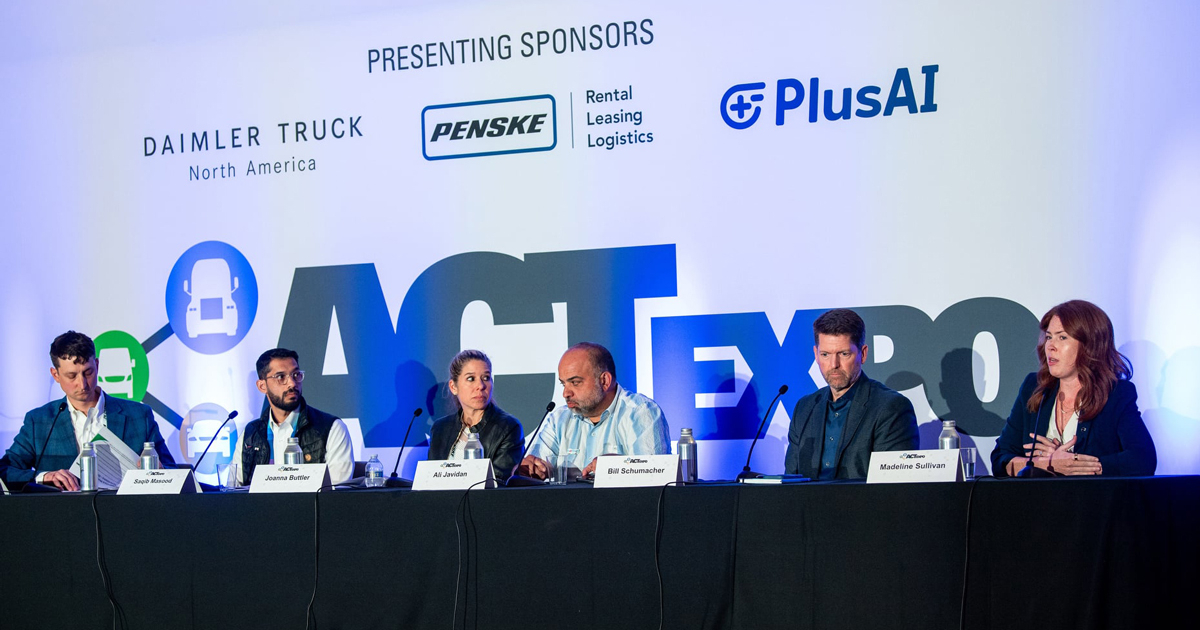
This is where my skepticism kicks into high gear. Hyundai is talking about customer lead times of three to four months, depending on plant backlog. This implies demand, or at least interest. But are fleets actually ponying up the cash for these hydrogen behemoths, or is this mostly about government incentives and ticking boxes for ESG reports? The initial Xcient launched in 2020, and it took until September 2023 for it to see U.S. deployment through a port project. That’s a glacial pace for anything truly transformative. The latest iteration, debuted at the 2024 ACT Expo, is an update, not a revolution. The fuel cell stacks are slightly different sizes, the battery pack is still 72-kilowatt-hours—it’s more evolution than anything else.
So, here’s the rub: Hyundai is positioning itself as the sole survivor in a niche market that’s still very much in its infancy. They’re expanding into Canada, a market eager for green solutions, likely with some government support sweeteners. But the fundamental questions remain: Is the total cost of ownership competitive? Is the infrastructure there to support widespread adoption? And crucially, beyond the PR fanfare and the corporate mandate to “go green,” is there a compelling business case that doesn’t rely on subsidies? My guess is that for now, the real money is being made by the companies selling the “green” technology and the consultants advising on how to implement it, rather than the fleets betting their bottom line on a hydrogen future that’s still, at best, a distant promise.