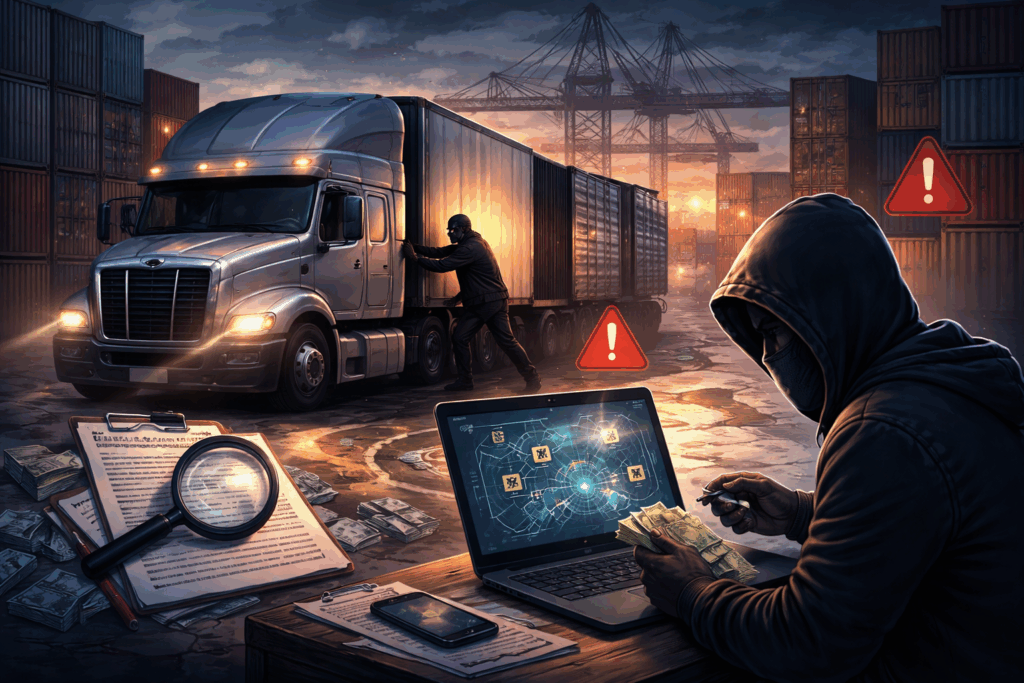
What if the truck rolling up to your warehouse—flashing legit DOT numbers, crisp insurance certs, and a flawless GPS ping—is a total mirage?
Freight fraud. It’s not some back-alley smash-and-grab from the ’90s. This beast has morphed into a billion-dollar shadow economy, preying on North America’s supply chains with surgical precision. Verisk CargoNet pegged 2025 losses at $725 million—a 60% spike—while incidents climb like freight rates during a port strike. But here’s the gut punch: it’s not volume driving this. It’s evolution. Criminals aren’t just bolder; they’re architects, rebuilding fraud around your digital trust systems.
And yeah, that shift? Pure architecture. Supply chains run on speed—tender fast, move faster, trust the network. Fraudsters? They’ve reverse-engineered it.
From Trailer Jacks to Identity Phantom
Remember cargo theft? Hijack a rig at a truck stop, vanish into the night. Simple, brutal. Today? Nah.
“This includes tactics like identity theft, where bad actors impersonate legitimate carriers or brokers; double brokering, where loads are illegally re-tendered without the shipper’s knowledge; and buying old authorities (DOT and MC numbers) outside of legitimate sales channels to appear as established carriers.”
That’s straight from the fraud playbook. They’re spoofing GPS, faking VOIP calls from ‘drivers,’ even editing FMCSA profiles mid-haul. It’s deception layered on data—your data. Why now? Fragmented platforms. Brokers on one app, carriers on another, shippers chasing ETAs. No single source of truth means cracks everywhere. Pressure to dispatch in hours? Criminals thrive there, slipping in before vetting kicks in.
Look, I’ve seen warehouse logs from a Midwest pharma shipper: a ‘carrier’ with pristine creds ghosts after pickup. Turns out, they bought expired MC numbers on the dark web for pennies. Physical theft still happens—warehouses hit for electronics, food rigs siphoned at scales—but it’s the strategic cons racking up the real dough.
Why Freight Fraud Is Exploding in 2026
Blame the pandemic hangover. E-commerce boomed, freight volumes tripled in spots, and everyone digitized on the fly. No time for ironclad checks. Result? A buffet for organized crews—think Eastern European networks with coder-muscle combos, hitting high-value loads like copper wire or pharma.
But dig deeper. It’s an architectural flaw in how we built ‘trust.’ Supply chains assume good faith because verification’s a pain—cross-checking VINs, insurance filings, driver logs across silos? Brutal. Fraudsters exploit that laziness with tech parity: AI-generated docs, deepfake calls, even LLMs scripting broker emails.
Here’s my unique angle, one the industry reports gloss over: this echoes the early 2000s credit card fraud boom. Banks had ‘secure’ numbers; crooks cloned magstripes. We fixed it with chip-and-PIN overhauls—total trust rebuild. Freight needs its EMV moment. Without it, we’re handing keys to pros who treat your chain like a casino heist.
Costs? Forget the $725M sticker. Insurance jumps 20-30% post-hit. Ops grind to halts—reroute a load, eat detention fees. Rep damage? A food shipper loses a temp-controlled haul, suddenly they’re ‘that unreliable partner.’ Underreporting hides the iceberg: FBI says only 20% of fraud bubbles up, fearing premiums or headlines.
Short para for punch: Billions lost. Trust eroded.
Then sprawl: Shippers chase brokers who chase carriers in a daisy-chain of handshakes, no blockchain backbone or shared ledger forcing transparency. Regulators like FMCSA tighten carrier regs—good start—but they’re playing whack-a-mole with ghosts. Criminals pivot faster than paperwork clears.
How Do You Actually Stop Freight Fraud?
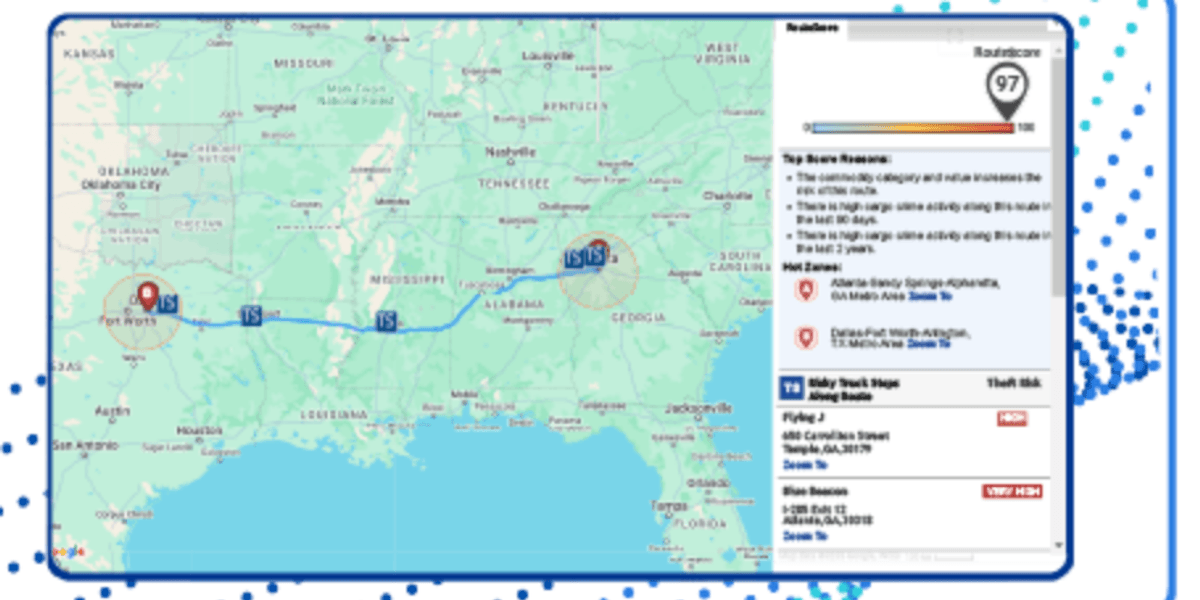
Layer it up. Don’t buy the tech-hype snake oil—‘AI magic fixes all!’ No. Start pre-tender: mash FMCSA data with real-time insurance pulls, VIN scans, geo-history. Platforms exist; use ‘em at onboarding, not after the load’s gone.
Real-time next. Track anomalies—GPS jumps? Driver phone flips to VOIP? Flag it. Train dispatchers: red flags like profile tweaks or odd tender patterns. It’s people plus pixels.
But call the BS: industry’s ‘collaboration’ talk is PR fluff without teeth. CargoNet shares intel, sure, but siloed CRMs mean your broker misses my carrier’s black marks. Prediction: by 2028, open fraud ledgers—think shared blockchain for creds—hit mainstream, or losses double as AI fraud scales.
Tech’s dual-edged: ML spots patterns in datasets no human catches, predicting double-brokers from tender velocity. Yet fraudsters counter with their own bots. Arms race.
Operational grit matters too. One 3PL I spoke with mandates video handoffs—driver face, seal cam, timestamped. Crude? Effective. Shifts mindset from ‘trust but verify’ to ‘verify until trusted.’
The Hidden Ripple: Beyond the Balance Sheet
Freight fraud rewires risk models. ESG warriors tout green fleets; ignore this, and sustainability’s a joke—stolen loads mean wasted emissions, duplicated runs. Global trade? Tariffs bite less than diverted containers.
Regulators stir: FMCSA’s modernization eyes better ID checks. Helpful, but voluntary adoption’s the killer.
Wander a sec: talked to a carrier exec last month—‘We vet ruthlessly, but shippers lowball rates, forcing corner-cuts.’ Economics fuel fraud.
🧬 Related Insights
- Read more: Oracle Unleashes AI Agent Swarms on Supply Chains – Hype or Help?
- Read more: Gen Z’s AI Fever Breaks—Usage Holds Steady
Frequently Asked Questions
What is freight fraud and how does it work?
Freight fraud involves scammers impersonating carriers or brokers to steal loads via fake creds, double brokering, or GPS spoofing—often netting high-value cargo without a shot fired.
How much does freight fraud cost supply chains?
Nearly $725M in 2025 cargo theft alone, per Verisk, plus billions in ripple costs like insurance hikes and disruptions—not counting underreported hits.
Can technology stop freight fraud?
Tech like AI monitoring and real-time vetting helps build layers, but it needs human training and industry data-sharing to outpace evolving criminal tactics.