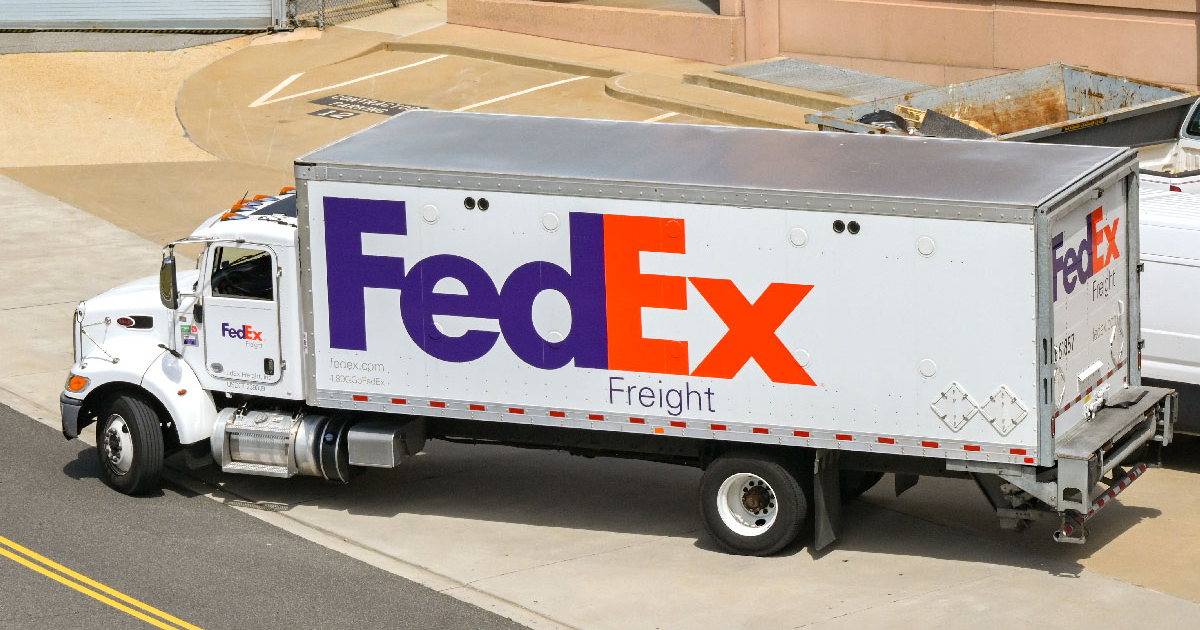
$9 billion. That’s the SMB slice of the LTL market FedEx Freight’s new CRM is chasing, post-spinoff on June 1.
And here’s the kicker — they’re promising a 60% slash in manual invoice touches, arming a 500-plus sales force with centralized pricing and leads. No more siloed sales reps fumbling between express, ground, and the tricky LTL stuff.
Look, FedEx Freight’s been the top dog in LTL for years — No. 1 on Transport Topics’ list — but their customer mix? Skewed heavy toward industrial (30%), transport-logistics (15%), consumer goods (14%). Grocery, health care, data centers, energy? Under-penetrated. SMBs? A goldmine they’ve barely touched.
Why FedEx Freight’s CRM Launch Feels Like a Viking Conquest 2.0
Remember 1998? FedEx bought Viking Freight to crash the LTL party. Then American Freightways in 2001 for regions, Watkins in 2006 for long-haul. Each a bold grab. This CRM? It’s the architectural pivot — from bundled FedEx Corp sales to a pure LTL predator, with reps parked at service centers for faster fixes.
Chief Technology Officer Mike Rodgers laid it out at the first investor day:
“The launch of our fit-for-LTL CRM will ensure all sales, service, marketing and pricing touch points are aggregated on one platform. As a result, lead prioritization and wallet share opportunities are front and center, easily accessible by our sales team, driving improved selling performance.”
Smart. But let’s cut the spin — this isn’t just aggregation; it’s a weaponized dashboard. Analysts like Deutsche Bank’s Richa Harnain nailed it: pre-spinoff, LTL got overlooked because express and ground were easier sells. Now? Standalone FDXF on NYSE, ditching transition agreements, trimming app footprint 20%. Legacy code gets AI-refactored agents. Native AI first, custom logistics AI second, monetized estate third. Rodgers’s four-pronged plan reeks of efficiency obsession.
Incoming CEO John Smith doesn’t mince words on the disadvantage:
“The key is the technology that we’re building. That’s where we are at a disadvantage in my opinion, but will not be on 6/1. We’ll have that built. And that’s what [is] going to allow us to go and get back even some of the small and mediums — because of those pain points that we have not fixed over the last previous year.”
Pain points. Yeah — manual invoices, scattered pricing, sales teams chasing low-hanging fruit elsewhere. The CRM centralizes it all, prioritizing leads in those virgin verticals.
But wait. Is this hype? Bank of America’s Ken Hoexter calls it a structural shift from bundled offerings. Fair. Yet my unique take: this mirrors UPS Freight’s 2000s playbook — tech-heavy push into SMBs before they folded it into TForce. FedEx learned the lesson. Standalone means focus; no more corporate drag. Prediction? By 2026, FDXF grabs 5-7% more SMB share, pressuring Old Dominion and XPO, especially as AI pricing tools dynamic-rate like Uber for freight.
How Does This CRM Actually Work for SMBs?
Short answer: It unifies everything. Sales sees wallet-share gaps instantly — your grocery distributor ordering sporadically? Boom, prioritized lead. Pricing tools? Real-time, AI-tuned. No more 60% manual drudgery on invoices.
They’re cutting costs ruthlessly — exit TSAs fast, AI agents refactoring COBOL dinosaurs while building differentiated edges. 365 locations, 26,000 doors, 30,000 vehicles (17k trailers). That’s the muscle. Sales force relocates to service centers — proximity breeds loyalty, quick resolutions. SMBs hate delays; this fixes it.
Skeptical? Sure, tech promises abound. But Rodgers’s roadmap — native AI, custom solutions, agent refactoring, rapid dev — it’s pragmatic, not pie-in-sky. They’re monetizing the estate, not torching it. And with LTL margins squeezed by capacity gluts, this could be the edge.
Here’s the thing. LTL’s a brutal game — density, yield, service. FedEx Freight’s scale is unmatched, but execution’s everything. Spinoff strips away express distractions. CRM’s the brain transplant.
Corporate PR might gloss the ‘disadvantage’ Smith admits. But admitting weakness? Refreshing. They’re not pretending; they’re building. Watch the $9B SMB war heat up.
Energy sector? Data centers booming with AI hyperscalers? Grocery chains consolidating? Health care’s regulatory maze? CRM’s vertical targeting smells like data-driven conquest.
One punchy bet: if they hit that 60% invoice cut, operating ratios drop 200-300 basis points. Investors eyeing FDXF? Buckle up.
Why Does FedEx Freight’s Spinoff Change LTL Forever?
Because it forces purity. No more cross-selling dilution. Analysts whisper LTL was the redheaded stepchild. Now it’s the star. With 500 sales wolves at the doors, not desks.
Historical parallel? Think AT&T breakup in ‘84 — spun assets sharpened, competed fiercely. FedEx Corp keeps the rest; Freight goes lean, mean, tech-forward.
Critique the spin: ‘Fit-for-LTL CRM’ sounds custom-built, but they’re layering AI on modern platforms fast. Smart — no from-scratch risks.
SMBs get empowered quoting, tracking, issue resolution. That’s the ‘how’ — architecture shift from fragmented to unified. The ‘why’? Market share in a consolidating LTL oligopoly.
FedEx Corp’s No. 2 overall, Freight No. 1 LTL. Post-spinoff? Pure-play disruptor.
🧬 Related Insights
- Read more: Nigerian Kit EVs Target Food Spoilage — A Pragmatic Bypass to Tariffs and Blackouts
- Read more: Freight Fraud’s Digital Pivot: Why Your Supply Chain’s Blind Spots Are Criminal Goldmines
Frequently Asked Questions
What is FedEx Freight’s new CRM?
It’s a unified platform aggregating sales, service, marketing, and pricing for LTL-specific ops, targeting SMBs and new verticals with AI tools to cut manual work 60%.
When does FedEx Freight spinoff happen?
June 1, listing as FDXF on NYSE, with CRM live and sales force redeployed.
Will FedEx Freight’s CRM help SMBs in LTL?
Yes — faster pricing, lead prioritization, on-site sales support fix key pain points like slow resolutions and opaque rates.