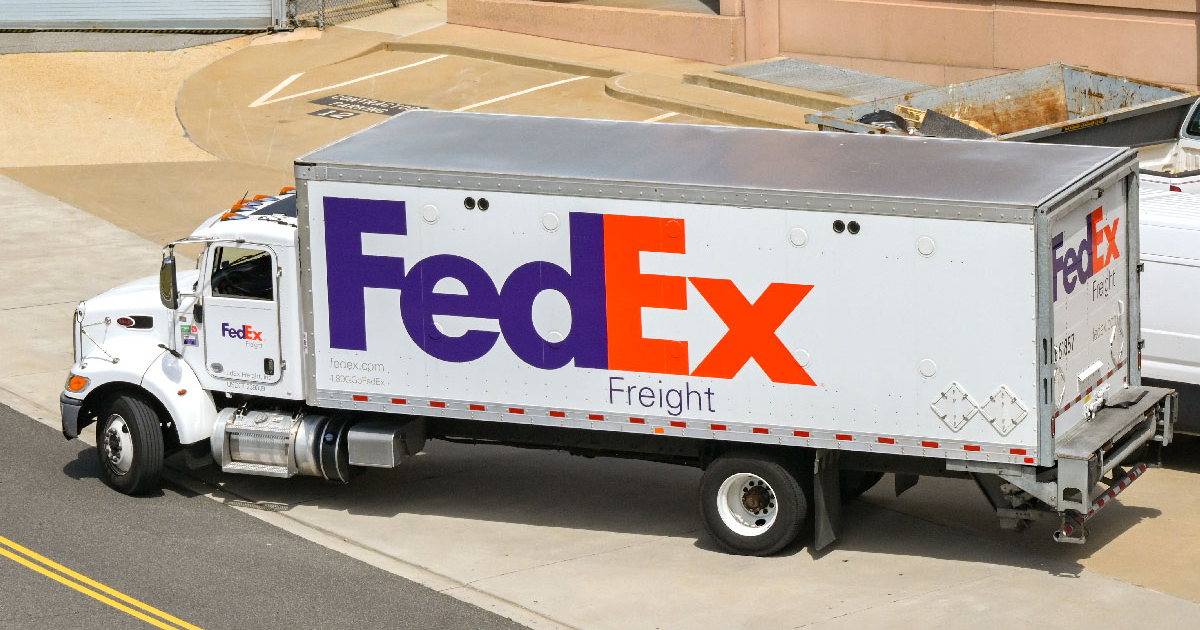
Clint McCoy drops the mic. “The strength of our network creates a powerful foundation,” declares the COO of FedEx Freight, betting the farm on sheer scale to juice revenues in the brutal LTL arena.
Zoom out. LTL tonnage hit 10.2 billion pounds last quarter — up 5.2% year-over-year, per FTR data — but capacity’s tighter than a drum. Shippers scramble, rates climb 3-5%, and FedEx Freight eyes a bigger slice with its 370+ service centers spanning North America.
Here’s the thing. Scale sounds sexy. FedEx Freight hauls 25% market share, dwarfing most, but Old Dominion’s OR of 80% laughs at the pack. FedEx? Hovering mid-70s. Numbers don’t lie.
Can FedEx Freight’s Network Scale Crush LTL Rivals?
But — and it’s a big but — size alone won’t cut it. Remember the early 2000s? Con-way tried the mega-network gambit, got gobbled by XPO in 2016. Lesson? Density matters more than sprawl.
FedEx Freight’s pushing $100 million into tech upgrades: AI routing, dynamic pricing. Smart. Q2 revenues popped 2.4% to $2.8 billion, yields up 1.1%. Yet tonnage dipped 0.8%. Demand softens? Or rivals stealing share?
Saia’s exploding — 15% revenue growth — on regional muscle. ArcBest? Surging ORs. FedEx’s play? use that foundation for cross-sell with FedEx Ground, parcel synergies. COO McCoy hints at it: integrated services as the revenue rocket.
Look. Market dynamics scream opportunity. Industrial production’s rebounding — ISM at 49, but trucking index 55. E-commerce B2B LTL? Ballooning 8% annually through 2028, per Armstrong. FedEx’s density in the Sunbelt? Goldmine.
Still. Skeptical eye here. Corporate spin calls scale ‘unmatched.’ Unmatched? Old Dom’s 95% on-time delivery says otherwise. My take: FedEx risks overcapacity if recession bites — they’re already idling 10% of fleet.
“The strength of our network creates a powerful foundation.”
McCoy’s right, sorta. But foundations crack without mortar: operational excellence.
Why Bet on Scale When Efficiency Wins Wars?
Drill down. LTL’s a margin game — 15-20% OR sweet spot. FedEx Freight’s at 17.8%, per filings. Peers? Old Dom 29%. That’s $1.5 billion extra pocket change annually.
FedEx counters with volume: 30 million shipments quarterly. Scale buys bargaining power — cheaper fuel hedges, vendor deals. They’re targeting 5-7% revenue growth FY25, analysts whisper. Plausible? If capacity stays pinched.
Here’s my unique angle, absent from the press release fluff. Echoes of the parcel duopoly wars — FedEx vs. UPS, 1990s. Scale won there, sorta, but only after brutal price wars and tech arms races. LTL’s next: FedEx Freight acquires regional player? Bold prediction — by 2026, watch for tuck-in buys to densify Midwest lanes, mirroring UPS Freight’s old playbook (before they ditched it).
Data dump. Capacity utilization? 92% industry-wide, Baird says. Tonnage forecasts: +4.2% 2025. FedEx’s capex? $500 million network-wide. That’s muscle.
But wait. Shippers defect to asset-light upstarts like RXO — lower rates, faster bids. FedEx’s response? Priority service tiers, premium pricing. Works if loyalty holds.
So, does it make sense? Yes, if executed. Network scale’s table stakes in LTL consolidation wave — market down to top-10 players owning 70% by decade’s end. FedEx leads, but trails in profits. Sharpen ops, or get Saia’d.
Competition heats. Yellow’s bankruptcy freed 10% capacity — FedEx grabbed some, but Yellow vets flooded rivals. Workforce? Tight, 3% vacancy national, higher for CDL.
FedEx Freight invests $50 million in driver pay bumps. Good. Retention key.
What Happens If Scale Falters?
Worst case. Soft freight cycle — spot rates crash 15%, like 2023. FedEx’s fixed costs (those service centers) bite hard. Revenue flatlines, OR dips to 15%.
Best? Capacity drought persists, yields +5%, revenues +8%. Wall Street pegs FY25 at $11.5 billion — 6% up.
My position: Bullish on scale, bearish on complacency. FedEx Freight’s got the foundation; now build the house right.
Numbers seal it. Vs. 2019 pre-COVID: revenues +18%, shipments +12%. Recovery’s real.
Yet, PR spin irks. ‘Counting on scale’ implies inevitability. Nope. Markets punish the slow.
🧬 Related Insights
- Read more: $130 Billion Tariff Refund Frenzy Hits Supply Chains as Trade Walls Rise
- Read more: Deep Rover: The 80s Bubble Sub That Put Humans Eye-to-Fin with the Abyss
Frequently Asked Questions
What is FedEx Freight’s revenue growth strategy? Scale via network density, tech investments, and parcel synergies — targeting 5-7% top-line gains.
How does FedEx Freight compare to Old Dominion in LTL? FedEx leads volume (25% share) but lags OR (17.8% vs. 29%) and on-time delivery.
Will LTL rates keep rising in 2025? Likely +3-5% if capacity stays tight at 92% utilization, per FTR forecasts.