Everyone figured warehouses would keep hemorrhaging front-line workers. Tight labor markets in places like Southern California? Check. Competitive pay and schedules? Already maxed out. The expectation was grim: 3PLs like States Logistics would limp along with sky-high turnover, operations stuck in neutral.
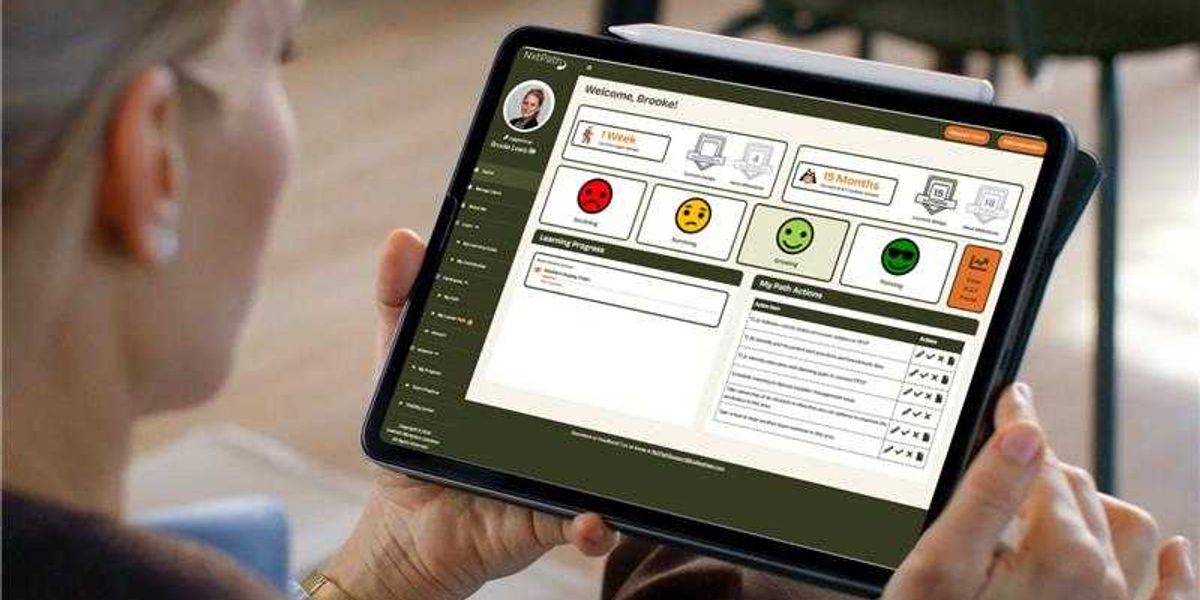
But here’s the twist. Partnering with TrailPath Workplace Solutions, States Logistics deployed NxtPath—a platform that doesn’t just track metrics, it rebuilds the human side of the warehouse. Turnover plunged 12% at the pilot site in months. Morale spiked. And now? They’re rolling it out across all eight locations.
Warehouse culture. Those two words hit different in supply chain. It’s not fluffy HR talk; it’s the glue holding ops together when Amazon’s poaching your pickers.
“[States Logistics’] biggest issue was turnover,” explains Green, noting that the 3PL was fighting a tough labor market in Southern California, in particular.
TrailPath’s COO Ben Green nailed it. States, employee-owned and scrappy, threw everything at the problem—flex shifts, fat wages. Zilch. High churn choked continuous improvement; newbies couldn’t learn from vets who bailed.
What Broke First—and Why It Matters
Assessments kicked off in 2023. TrailPath audited culture, ops, the works. Pilot launched 2024 at one warehouse: NxtPath tech plus leadership coaching.
Core idea? Dignity. Trust. Respect. McCrystal puts it plain: “For us, [it’s all about] creating dignity, trust, and respect in the workplace.”
Workers self-report on a “declining to thriving” scale—declining, surviving, growing, thriving. Real-time alerts ping leaders if scores dip. Fix issues fast. Aggregate scores track the site’s vibe.
It’s architectural, really. Not Band-Aids. You’re wiring feedback loops into daily ops, like GitHub issues for employee sentiment. Leaders get dashboards; workers get voice. Thriving teams? Productivity up, safety better, growth real.
And the results? Pilot site: turnover down 12% in six months. ‘Growing or thriving’ scores jumped from 60% to 83% by 2025—smoking the company average.
In a statement to DC Velocity, Hillier said that accomplishment is “massively impactful in practice because each converted employee adds trust, reliability, and predictability to the operation.”
Andrew Hillier, TrailPath BD manager, isn’t overselling. Predictability in warehouses? Gold. No more constant onboarding chaos.
Now they’re two-thirds through rollout, eyeing drivers next. Small 3PL like States? Retention is survival, says McCrystal: “For a small, privately held company like States, hanging on to your employees is everything from a livelihood perspective.”
Can a Simple App Really Slash Warehouse Turnover?
Skeptical? Me too, at first. Warehouses aren’t startups; they’re gritty, shift-based grindfests. Tech promises abound—AI sorters, robots—but people? That’s softer, harder to measure.
Yet data doesn’t lie. 5-15% drops per site. Not magic; mechanics. NxtPath surfaces pain points before they fester. A picker ‘declining’? Manager checks in, tweaks workload. Boom—trust builds.
My unique angle: This echoes Toyota’s kanban revolution in the ’80s. Back then, factories ditched top-down commands for visual pull systems—workers signaled needs, waste vanished. NxtPath is kanban for culture. Pull-based engagement, not pushy surveys. If it scales, expect 3PLs copying this blueprint. Bold call: By 2027, half of major warehouses will have ‘thriving indexes’ or risk poaching wars.
But hype check—TrailPath’s no savior. It’s a tool. States paired it with coaching; solo tech flops. Corporate spin often glosses that. Real shift? Leaders must act on data, not ignore red flags.
Look, Southern Cal’s market is brutal—ports clogged, e-comm boom. States stood out as ‘employer of choice’ not with bucks alone, but visibility. Workers see you care; they stay.
Thriving isn’t vague. It’s measurable: commitment up, accidents down. One site beat averages by miles. Imagine fleet-wide.
Why Does Warehouse Culture Fix Supply Chains?
Underlying shift: Warehouses as people engines, not just throughput machines. Post-pandemic, labor’s king. Robots help, but humans lift the nuance—spotting defects, adapting chaos.
NxtPath flips the org chart. Bottom-up data drives top decisions. That’s the ‘how’—real-time loops. The ‘why’? Churn costs 1.5-2x salary per head. States saves millions, indirectly.
Broader ripple: 3PLs compete on talent now. This differentiates. Employee-owned States gets it—people first, always was. Tech just amplified.
Critique time. PR loves ‘transformative platforms.’ Fine, but it’s the model—declining to thriving—that bites. Copy that sans tech? Possible, but dashboards make it stick.
Prediction holds: Supply chain’s next wave isn’t drones; it’s culture tech. Ignore it, watch margins erode.
And drivers? Integrating them seals it. Mobile thriving scores—game on.
**
🧬 Related Insights
- Read more: Shipping’s Green Revolution: Biofuels and Hydrogen Defy Policy Headwinds
- Read more: Truckstop.com Bets Big on Heavy Haul with Wize Load Buyout
Frequently Asked Questions**
How did States Logistics reduce warehouse turnover?
They used TrailPath’s NxtPath platform, which tracks worker sentiment on a ‘declining to thriving’ scale, alerting leaders to issues for quick fixes—resulting in 5-15% drops per site.
What is the NxtPath platform?
A tech tool for real-time employee engagement, training, and visibility, helping warehouses build trust and boost morale through data-driven interventions.
Will warehouse culture tech spread to other 3PLs?
Likely—proven ROI in tough markets like SoCal suggests competitors will adopt similar ‘thriving index’ systems to fight labor shortages.