Look, for years, the conversation around cross-border e-commerce logistics has been, frankly, a bit… analog. We talked about optimizing routes, shaving off transit times, and wrestling with customs forms – all essential, sure, but the core machinery felt familiar. Everyone expected incremental improvements, a slightly faster boat, a slightly smarter spreadsheet. But here’s the thing: that paradigm just got tossed out the window. We’re not just talking about faster shipping anymore. We’re witnessing the dawn of a new era, a true platform shift driven by AI, and this Asendia and SingPost partnership feels like a significant marker on that horizon.
Forget the dusty warehouses and the endless paper trails. The future Asendia and SingPost are building is one where intelligence is woven into the very fabric of the supply chain. Think of it like this: if previous logistics tech was a well-oiled truck, this is the self-driving, hyper-aware vehicle that not only knows the best route but anticipates traffic, weather, and even the emotional state of the recipient (okay, maybe not the last one yet, but give it time!). This isn’t just about moving packages from point A to point B; it’s about creating a fluid, responsive ecosystem.
The immediate catalyst for this dramatic shift? Regulatory upheaval. Specifically, the upcoming EU customs duty changes are a ticking clock. As of July 1, 2026, that €150 de minimis exemption vanishes, replaced by a flat €3 duty on all low-value imports. And before that, the US drops its own exemption in August 2025. These aren’t minor tweaks; they’re seismic shifts that threaten to choke the life out of small-to-medium e-commerce businesses trying to reach international markets.
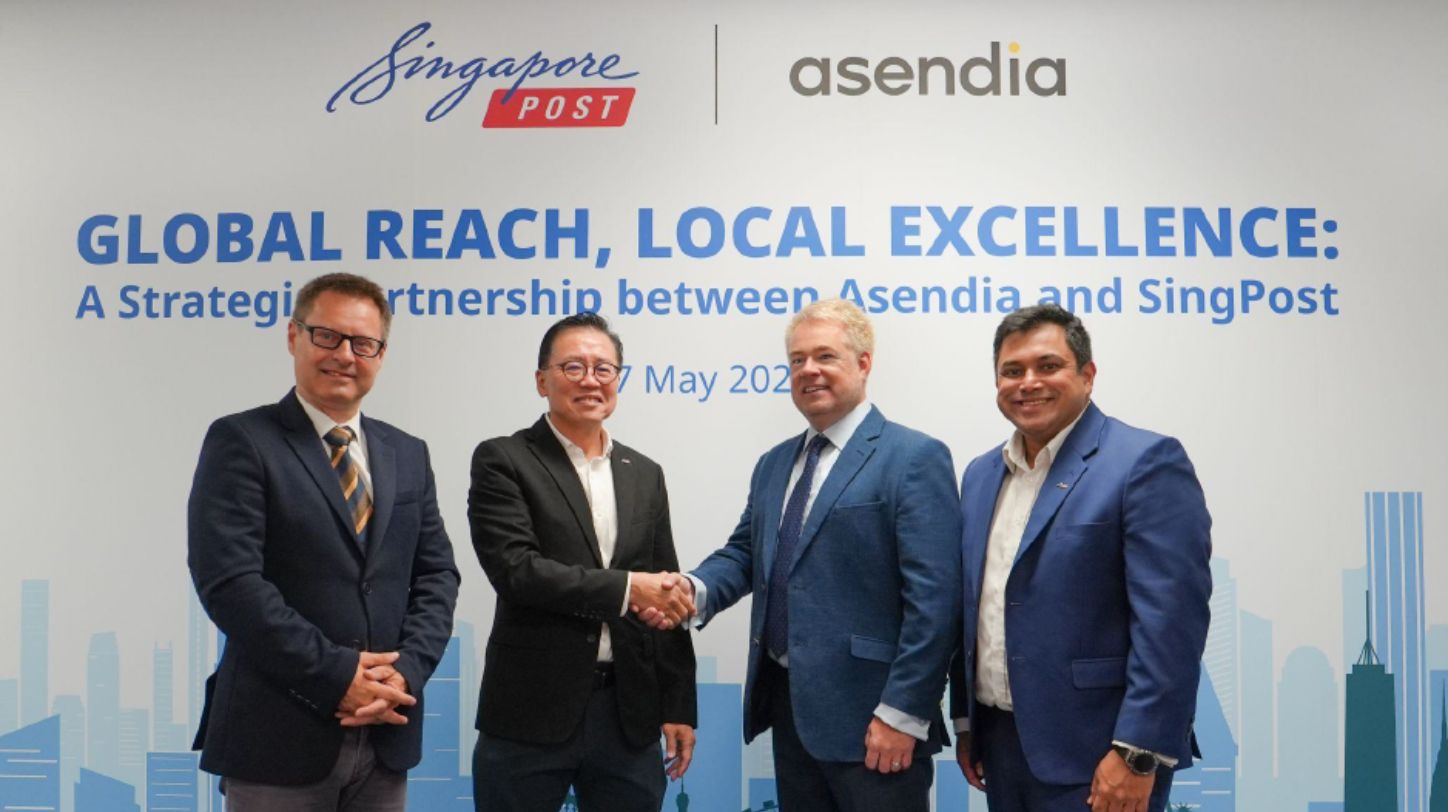
This is where AI-driven solutions, like the Delivered Duty Paid (DDP) offerings Asendia and SingPost are pushing, become not just convenient, but existential. Imagine algorithms predicting customs liabilities with pinpoint accuracy, automating declarations, and rerouting shipments proactively to avoid snags. It’s about turning potential chaos into predictable efficiency, and that’s a game-changer for merchants who, frankly, just want to sell their stuff without becoming international trade lawyers. Lionel Berthe, head of APAC at Asendia, nails it: “Our Beyond Borders survey shows that 32% of retailers in APAC cite border delays, customs clearance and cross-border returns as key friction points. This partnership directly addresses those challenges, with Singapore as a core focus market, while enabling scalable and cost-effective cross-border growth across the wider region.”
So, what does this partnership actually do? On paper, it’s a straightforward enhancement of cross-border e-commerce logistics. SingPost customers gain access to Asendia’s vast international network, stretching from Europe to Oceania. Conversely, Asendia gets a massive boost from SingPost’s deep regional infrastructure and last-mile expertise across Southeast Asia. They’re talking about services like e-PAQ Home Delivery, e-PAQ Out-of-Home Delivery, and e-PAQ Returns – the bread and butter of modern fulfillment.
Singapore: The AI-Powered Gateway?
But this partnership is far more than a simple network extension. It’s about positioning Singapore as a hyper-connected, AI-enhanced hub for Asia-Pacific e-commerce. With its sophisticated digital infrastructure and strategic location, Singapore is the perfect petri dish for piloting and scaling these advanced logistics solutions. Asendia and SingPost are essentially turbocharging the island nation’s role as the region’s e-commerce gateway, making it the nexus for efficient, intelligent cross-border trade.
The whispers about AI in logistics have been growing louder for years. We’ve seen predictive analytics for demand forecasting, route optimization algorithms, and even early forms of automated sorting. What this Asendia-SingPost deal signifies is a move from experimenting with AI to embedding it as the foundational platform for cross-border operations. It’s like moving from using a compass to navigating with a fully integrated GPS system that reroutes you before you even realize there’s a problem.
This isn’t just about Amazon, eBay, and Etsy sellers either. While they’ll certainly benefit, the real promise is for those smaller, agile businesses that have been struggling to compete on the global stage. The cost and complexity of international shipping have been a formidable barrier. By leveraging shared infrastructure and AI-driven intelligence, Asendia and SingPost are lowering that barrier, democratizing access to global markets. It’s a bullish signal for the future of independent online retailers everywhere.
Will This Really Cut Down on Customs Nightmares?
The emphasis on Delivered Duty Paid (DDP) solutions is the most concrete signal that these companies are looking beyond just faster transit. DDP means the seller handles all duties and taxes upfront, presenting a clear, final price to the buyer. This is crucial because a significant chunk of cross-border delivery friction – and subsequent customer complaints – comes from unexpected import fees and the resulting delays. By pre-calculating and remitting these charges, Asendia and SingPost are effectively building a smoother, more predictable path from seller to buyer, especially as complex new regulations come into play. It’s the AI predicting and solving the customs headache before it even forms.
Sure, there’s always the corporate PR spin. You hear about “strengthening capabilities” and “reinforcing roles.” But looking past the jargon, what’s clear is that Asendia and SingPost aren’t just reacting to regulatory changes; they’re proactively building the intelligent infrastructure needed to thrive in a more complex global trade environment. This partnership is less about adding another delivery van to the fleet and more about upgrading the entire operating system of cross-border commerce. It’s a leap forward, powered by data and driven by the relentless march of technological advancement.
Here’s a quote that really hits home the sentiment behind this move:
“This partnership comes at a critical juncture for global trade. Following the US suspension of de minimis exemptions in August 2025, the upcoming July 2026 EU reform introduces new regulations for exporting businesses to navigate.”
Mark Chong, chief executive of SingPost, is absolutely right. The ground is shifting. And for businesses looking to navigate these treacherous waters, partnerships like this, underpinned by advanced technology, aren’t just helpful – they’re becoming essential. It’s a clear indicator that the future of global trade is intelligent, interconnected, and ready for an AI-powered upgrade.
🧬 Related Insights
- Read more: Bissell’s AI Leap: Supply Chain Planning Now Days, Not Weeks
- Read more: Project44 Gobbles LunaPath.ai: Second AI Bet in Four Years
Frequently Asked Questions
What is the main goal of the Asendia and SingPost partnership? The primary goal is to enhance cross-border e-commerce logistics capabilities across Singapore and the Asia-Pacific region, improving delivery performance, scalability, and market access for merchants.
How will this partnership help businesses deal with new EU customs regulations? They are developing Delivered Duty Paid (DDP) solutions designed to manage new EU customs rules, aiming to reduce delivery friction and prevent rejected shipments by handling duties and taxes upfront.
What specific benefits do SingPost and Asendia customers get? SingPost customers gain access to Asendia’s global delivery network, while Asendia customers benefit from SingPost’s regional infrastructure and last-mile capabilities in Southeast Asia.