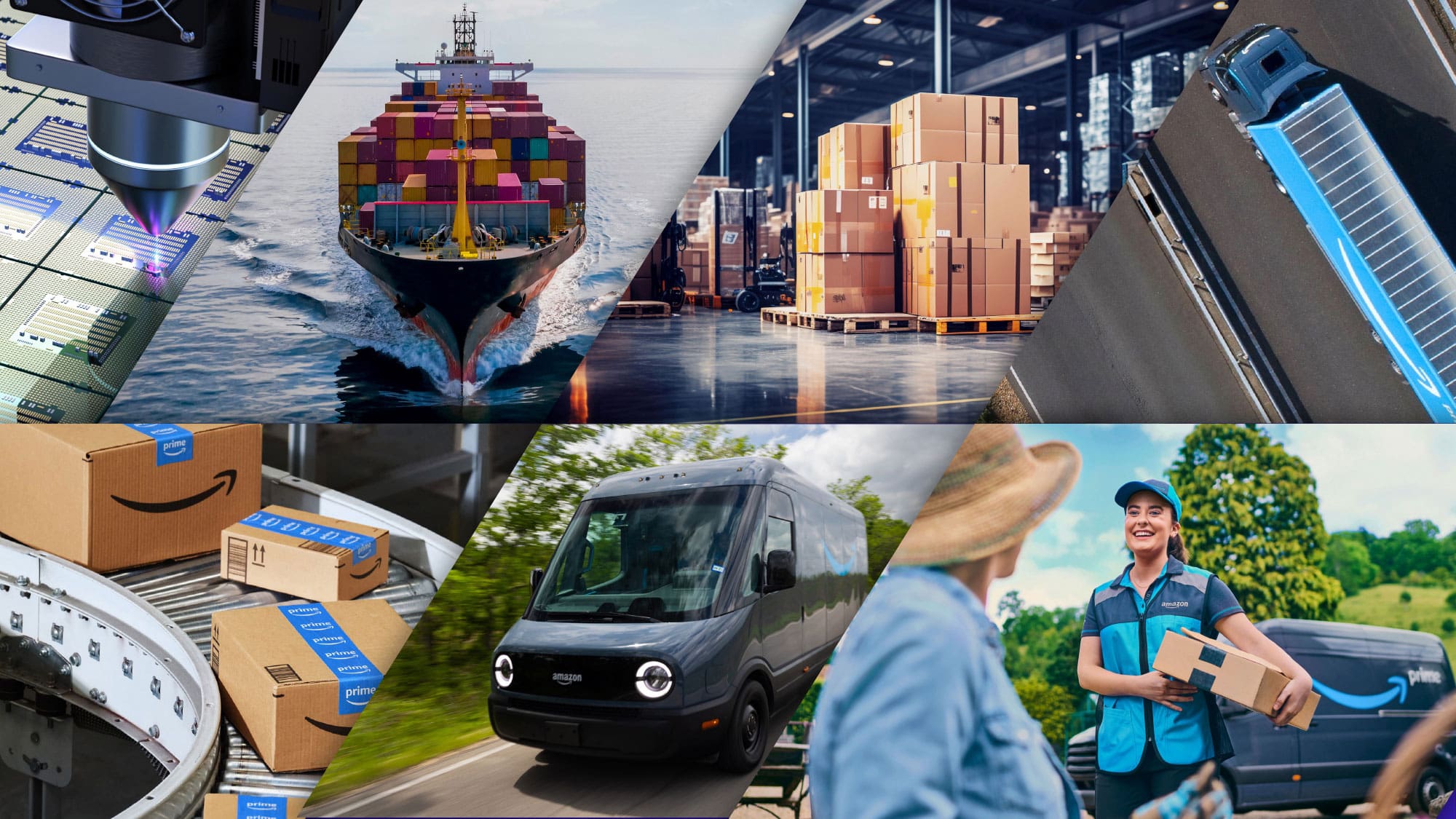
For years, the whispers have been growing louder: Amazon, the undisputed king of e-commerce, was quietly building a logistics empire. The expectation wasn’t just that they’d get good at shipping their own packages; it was that they’d eventually open the floodgates and offer their unparalleled network to the world. And now, here we are. Amazon Supply Chain Services is no longer just an internal marvel; it’s being pitched as a service for everyone else. The question, however, isn’t if they have the infrastructure – they undeniably do – but whether this gargantuan network can actually deliver for external clients without cannibalizing its core business or buckling under its own weight.
This pivot from an internal powerhouse to a public utility is a calculated gamble. For shippers, the allure is obvious: Amazon’s legendary efficiency, its vast network of fulfillment centers, its sophisticated routing algorithms, and its relentless focus on speed. The market has been crying out for innovation and scale in logistics, and who better to provide it than a company that has spent two decades perfecting the art of moving goods at an unprecedented pace? It’s the kind of market dynamic that makes analysts sit up and take notice.
The Public Pitch vs. The Private Reality
The company’s messaging is clear: Amazon is opening its sophisticated supply chain infrastructure to businesses of all sizes. This isn’t just about last-mile delivery anymore; it’s a comprehensive suite of services designed to manage inventory, fulfill orders, and handle returns. They’re talking about end-to-end solutions, promising to inject Amazon’s renowned operational prowess into the broader market.
But here’s the rub, and where skepticism — a healthy dose of it, in my book — comes into play. While the potential is immense, the practicalities are, shall we say, less than crystal clear. Experts are already voicing concerns about Amazon’s ability to allocate capacity effectively. When you’re dealing with a system designed primarily to serve your own voracious demand, how do you fairly portion out that capacity to external clients? It’s a classic case of resource allocation under pressure.
The umbrella of logistics offerings features attractive qualities for shippers, but questions remain around capacity allocation, experts said.
This isn’t just an abstract concern; it has real-world implications. If Amazon prioritizes its own Prime deliveries or its third-party sellers when capacity tightens, external clients could find themselves facing delays or unpredictable service levels. It’s akin to a Michelin-starred restaurant suddenly opening its kitchen to cater a local school bake sale; the core competency might be there, but the execution under different demands is where the strain will show.
A Question of Priorities: Prime Time vs. Partner Time
Let’s not forget that Amazon’s primary objective remains its own growth and profitability. Any service offered to third parties must, by definition, either directly contribute to that or not detract from it. This creates an inherent tension. Will Amazon truly invest the necessary resources – human capital, technological upgrades, and physical network expansion – to service external clients with the same urgency it applies to its own operations? Or will external clients be, in essence, a secondary priority, a revenue stream that’s nice to have but not mission-critical?
The market dynamics here are fascinating. Competitors like UPS, FedEx, and DHL have spent decades building their networks and reputations. They have established service level agreements, strong operational protocols, and a business model built on serving a diverse client base. Amazon’s entry, even with its scale, introduces a different calculus. It’s not just about the physical assets; it’s about the operational philosophy.
My own take? Amazon’s move into public logistics is less about becoming the next UPS and more about extending its influence and capturing more of the value chain. It’s a strategic play to control more of the movement of goods, potentially gleaning insights into market trends and competitor strategies. The success for external clients will likely hinge on their specific needs and their willingness to operate within Amazon’s — potentially rigid — framework. For those who can fit the mold, the benefits could be substantial. For others, it might feel like trying to book a last-minute flight on Christmas Eve; possible, but rarely smooth.
The Internal Echo
There’s also the question of how this public offering will impact Amazon’s internal operations. Will the added complexity and demand from external clients dilute the very efficiency that makes Amazon so formidable? It’s a delicate balancing act. We’ve seen companies falter when they expand too quickly or stretch their resources too thin. The history of commerce is littered with cautionary tales of giants stumbling under their own ambition.
Ultimately, Amazon Supply Chain Services is not yet a proven heavyweight in the public arena. It possesses the raw power and the potential, but the execution, capacity management, and consistent prioritization of external clients will be the true tests. It’s a bold move, one that could reshape the logistics landscape, but the operational realities are far more complex than a flashy press release can convey. The market will be watching, and shippers will be waiting to see if Amazon can truly deliver on its promise, or if this is just another facet of the ever-expanding Amazonian empire, with external partners playing a supporting role.
Is Amazon’s Logistics Network Truly Ready for Us?
One of the biggest questions swirling around Amazon’s push into public logistics is whether its system, meticulously crafted for its own needs, can scale and adapt to the diverse demands of external businesses. While Amazon boasts an unparalleled network, the allocation of that capacity is a key concern. Will external clients receive the same priority as Amazon’s own retail operations and third-party sellers? Experts point to potential bottlenecks and the inherent conflict of interest when a company is both a platform operator and a competitor. The efficiency that Amazon is known for internally relies on immense scale and specific optimization strategies. Extending that to a broad external customer base introduces a new layer of complexity that hasn’t been fully stress-tested in the public eye.
What Does This Mean for Traditional Logistics Providers?
Amazon’s entry into the public logistics sphere is undoubtedly a disruptive force for established players like UPS, FedEx, and DHL. These companies have built their businesses on long-term relationships, contractual obligations, and a broad range of services tailored to different industries. Amazon’s model, while potentially offering competitive pricing and speed, might come with different terms of engagement and less flexibility. Traditional providers will need to emphasize their reliability, specialized services, and established trust. They may also need to accelerate their own innovation in areas like technology, sustainability, and niche logistics solutions to differentiate themselves. The competition just got a lot more intense, pushing everyone to re-evaluate their strategies and service offerings in a rapidly changing market.
🧬 Related Insights
- Read more: Tenet and Crown Merge: What it Means for Your Shipments
- Read more: Hilton Food Solutions Expands Cold Chain With CEVA Logistics Deal
Frequently Asked Questions
What is Amazon Supply Chain Services? Amazon Supply Chain Services is a suite of logistics offerings by Amazon that provides businesses with access to its vast network of fulfillment centers, transportation capabilities, and delivery infrastructure. It aims to help companies manage inventory, fulfill orders, and handle returns.
Will Amazon’s logistics services be cheaper than competitors? While Amazon’s scale suggests potential cost advantages, pricing will likely vary based on service level, volume, and specific customer needs. Comparisons will be essential for businesses evaluating cost-effectiveness against established providers.
Can small businesses use Amazon’s logistics services? Amazon has indicated that its services are available to businesses of all sizes, not just large enterprises. However, the practical application and suitability for very small businesses will depend on specific service requirements and volume.