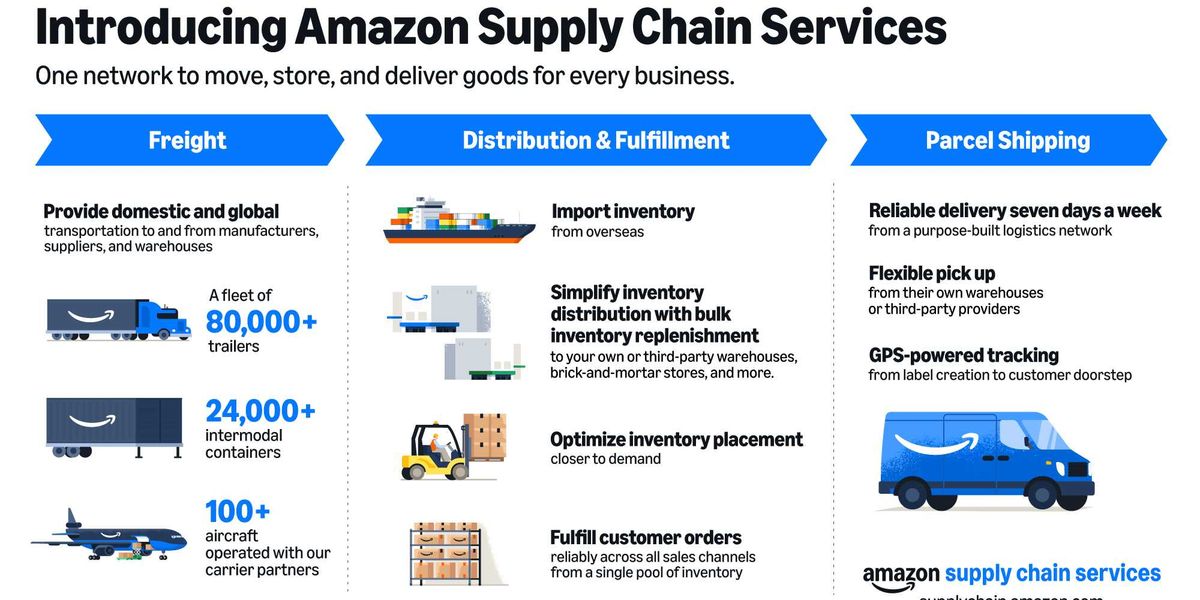
Amazon’s supply chain.
It’s practically a black box, a marvel of logistics that’s fueled its retail empire and frankly, made a lot of us tech reporters scratch our heads wondering how they pull it off at scale. And now, Andy Jassy, the guy running the whole show, is telling us they’re opening it up. To every business. Right.
Let’s be clear: for two decades, I’ve watched Silicon Valley folks fall in love with their own press releases. They roll out a new widget, a slick platform, a nebulous “ecosystem” – and the chorus of “game-changer!” erupts. Jassy’s announcement, framed as a generous move to democratize Amazon’s legendary operational prowess, smells suspiciously like that old song and dance. It’s like suddenly the gatekeeper of the best candy stash in school is inviting everyone to the party, but you know he’s still counting every gummy bear.
So, What’s Actually Happening?
The gist, as far as anyone can decipher through the corporate jargon, is that Amazon Web Services (AWS) is going to offer tools and services that let other companies tap into – or at least mimic – aspects of Amazon’s supply chain. Think less about handing over the keys to the kingdom and more about providing access to specialized software and data analytics that supposedly help businesses streamline their own operations. Jassy himself has apparently been touting this for a while, emphasizing how this move benefits smaller players and enhances efficiency across the board. It’s presented as a move towards what he calls a “centralized intelligence” for logistics.
But here’s the question that always gnaws at me: who is actually making money here, and how? Amazon’s history is littered with instances of leveraging its dominance to create new revenue streams, often by offering services built on the very infrastructure that gave it the edge in the first place. Is this just AWS finding another vertical to conquer, packaging up their internal tools and selling them back to the market? It wouldn’t be the first time.
Amazon is opening up its logistics network to third-party sellers, a move that will allow them to use the e-commerce giant’s vast fulfillment infrastructure. This initiative, dubbed ‘Buy with Prime,’ is designed to give sellers access to Amazon’s shipping speeds and delivery reliability, thus enhancing the customer experience for Prime members and expanding Amazon’s reach into the broader e-commerce landscape.
That quote sounds fancy, doesn’t it? “Vast fulfillment infrastructure,” “enhancing the customer experience.” What it really means is Amazon’s warehousing and delivery capabilities, the very things that set it apart, are now potentially going to be monetized more directly. And who benefits most? Companies that can afford to pay for premium access. The narrative of helping the little guy is nice, but let’s not pretend Amazon is suddenly turning into a non-profit logistics provider.
The Oldest Trick in the Book: Data.
My cynical old-school gut feeling? It’s all about the data. Every interaction, every shipping route optimized, every customer’s preference – that’s gold. By opening up these tools, Amazon isn’t just selling a service; they’re creating a feedback loop that enriches their own understanding of the global marketplace. They get to see what’s selling, where it’s going, how fast it needs to get there, and which businesses are struggling to keep up. This intelligence is invaluable, far more valuable than whatever subscription fee they’re charging.
It’s the same playbook we’ve seen with countless tech giants. They build a dominant platform, collect massive amounts of data, and then offer services built on that data, promising efficiency and innovation. Think Google Search, Facebook’s ad platform, or even Apple’s App Store policies. They created an ecosystem, then figured out new ways to charge people for participating in it, all while the core company accrues power and knowledge.
And let’s not forget the potential for vendor lock-in. Once a business integrates its supply chain with Amazon’s tools, it becomes increasingly difficult – and expensive – to disentangle itself. This isn’t just about making shipping easier; it’s about weaving businesses deeper into the Amazonian fabric. It’s a strategic move to cement their position, not just as a retailer, but as an indispensable backbone for commerce.
Is This Really Innovation or Just Monetization?
Jassy claims this will foster innovation and efficiency. And sure, for some businesses, having access to sophisticated logistics tools might be a boon. But for those of us who’ve been around the block, it looks a lot like a company that’s mastered a complex system using its own capital and ingenuity, and is now packaging it up for sale. It’s a brilliant business model, no doubt, but let’s call it what it is: smart monetization of a hard-won advantage, not a benevolent act of digital charity.
What happens next? We’ll see more businesses signing up, lured by the promise of Amazon-level efficiency. We’ll hear more PR about how it’s helping mom-and-pop shops compete. But behind the scenes, Amazon will be collecting more data, refining its algorithms, and solidifying its position as the ultimate gatekeeper of global commerce. It’s a masterclass in capturing value, and Jassy is just the latest conductor of this very old orchestra.
🧬 Related Insights
- Read more: Labor Crunch Finally Robots the Warehouse Dock
- Read more: DP World’s War Insurance: A Shield or a Smoke Screen?
Frequently Asked Questions
What does Amazon opening its supply chain actually mean for businesses? It means Amazon’s AWS is offering tools and services that use their logistics expertise, allowing other companies to potentially improve their own operational efficiency, shipping, and inventory management.
Will this lower shipping costs for everyone? Potentially, yes, for businesses that utilize these new Amazon services. However, the ultimate impact on consumer pricing will depend on how businesses integrate these tools and what costs they pass on.
Is this a good thing for small businesses? It could be, offering them access to sophisticated logistics technology previously only available to large enterprises. However, the cost of these services and potential vendor lock-in are factors small businesses will need to consider.