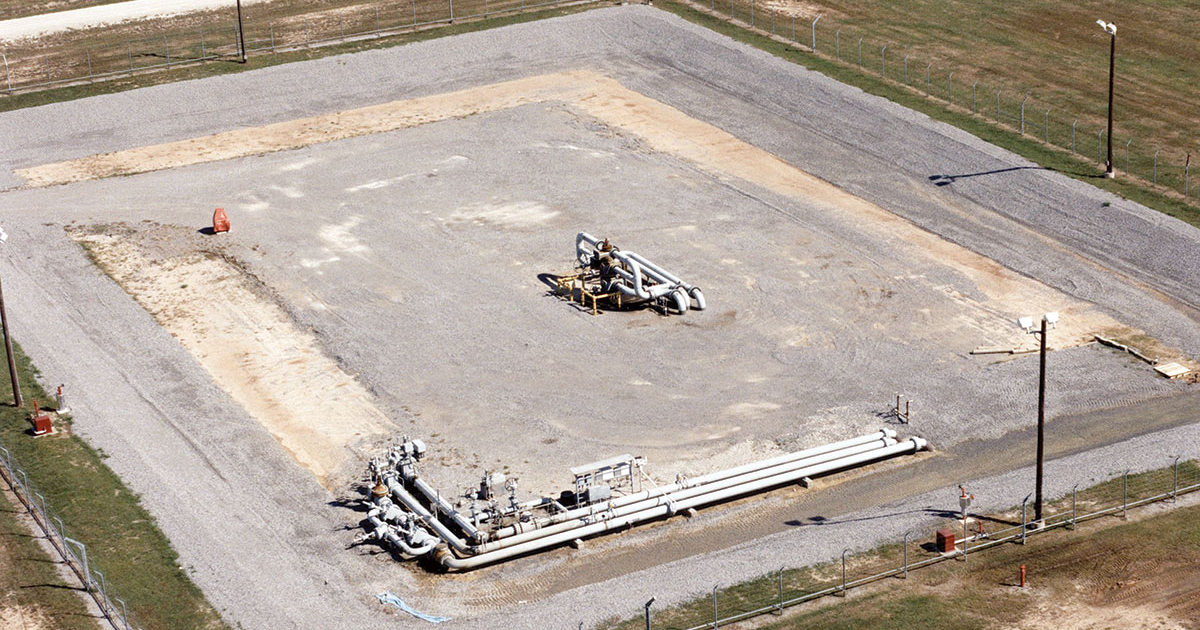
Are we really tapping our emergency oil reserves just to send them overseas? That’s the question that should be keeping you up at night. The U.S. Strategic Petroleum Reserve (SPR), our national rainy-day fund for oil, is being drained. And a staggering 40% of it? Heading to Europe and other foreign shores.
This isn’t some minor dribble. We’re talking about roughly 13 million barrels, according to Kpler data crunched from U.S. Customs documents. That’s nearly half of the crude released so far. The tanker Kyrakatingo recently loaded 700,000 barrels of Bryan Mound Sour oil. That’s a name straight out of a spy novel, but it’s just emergency oil.
Now, some exports from the SPR aren’t exactly new. Back in 2022, when Russia’s tantrum in Ukraine threw global oil supplies into disarray, about 10% of the SPR releases found their way to Asia and Europe. A drop in the bucket compared to today. This current scale, however, screams desperation. It signals just how tight global crude markets have become, especially with the Strait of Hormuz looking like a potential choke point.
The Trump administration’s pledge to release 172 million barrels was supposed to be a lifeline. A coordinated effort by wealthy nations to ease the pain of—you guessed it—the Iran war. But here’s the kicker: more than half of the 133 million barrels the U.S. has agreed to loan have been snapped up by trading companies. Trafigura, a name you probably won’t find on your local grocery store shelf, snagged about a quarter of it. They’re essentially arbitraging our national emergency.
And when is this all happening? Between March and August. So far, a mere 31.3 million barrels have actually left the underground caverns. The Energy Department is doling it out like a miser at a charity ball.
This whole charade plays out at a rather convenient moment for President Trump. He’s juggling peace talks with Iran while grappling with rising fuel costs at home. Prices at the pump? Up 50% since the war kicked off. Hitting around $4.50 a gallon. Meanwhile, American refiners are gearing up for the summer driving season. Demand’s about to spike. So we’re sending our emergency fuel abroad while domestic prices climb. Brilliant.
The Export Dilemma: Fueling the World or Our Own Tanks?
It’s easy to see this as a simple commodity swap. Oil for… well, maybe political goodwill? But let’s be clear: this is our strategic reserve. It’s there for genuine emergencies, not to prop up foreign markets while domestic prices crater consumer wallets. The fact that nearly half of what’s released is being exported highlights a potential disconnect between national security needs and immediate market pressures. This isn’t just about oil; it’s about priorities. Is the U.S. prioritising global stability at the direct expense of American consumers? The PR spin will likely talk about market stabilization. But the numbers tell a different story. They whisper of traders making a tidy profit while the SPR shrinks.
This entire situation feels eerily familiar. Remember those promises of energy independence? We’re releasing our strategic reserves, a finite resource, to alleviate supply crunches abroad. It’s like raiding the fire station’s water tank to put out a neighbor’s barbecue while your own house is smoldering. The logic, frankly, escapes me. It’s a short-term fix, a band-aid on a gaping wound, and it benefits international traders more than the average American gas station patron.
About 13 million barrels from the U.S. emergency stockpile have sailed to Europe and other destinations, according to data from Kpler based on U.S. Customs’ documents. That represents roughly 40% of the crude released so far from the reserve.
Why Is This Happening Now?
The war in Iran—and yes, the article calls it the Iran war, let’s just roll with that—has evidently tightened global supplies more than initially advertised. Combine that with the usual seasonal demand surge and you have a recipe for higher prices. Releasing oil from the SPR is meant to inject supply and theoretically cool prices. But if a significant portion of that injected supply is leaving the country, its impact on domestic prices is, at best, diluted. It’s a bit like trying to fill a leaky bucket.
What Does This Mean for Supply Chains?
For supply chain professionals, this underscores the inherent volatility of energy markets. Dependence on SPR releases for price stabilization is a precarious strategy. It points to a fragile global supply picture that can be easily disrupted by geopolitical events. Companies that rely on stable energy costs for logistics, manufacturing, and transportation will continue to face uncertainty. Expect continued price fluctuations and the need for strong risk management strategies. This SPR release, rather than being a sign of strength, is a symptom of underlying global supply chain weakness in the energy sector.
🧬 Related Insights
- Read more: Transpacific Freight Rates Climb While Demand Slumps – Importers Brace for Pain
- Read more: Wabash Misses Q1 Revenue Targets Amid Sluggish Demand
Frequently Asked Questions
What is the Strategic Petroleum Reserve (SPR)? The SPR is a U.S. government program to store crude oil in underground caverns. It’s meant to cushion the U.S. economy from major disruptions to oil supplies.
Why is the U.S. releasing oil from the SPR? The releases are intended to stabilize global oil markets and alleviate supply crunches, particularly in response to geopolitical events like the ongoing war impacting supply.
Will this release lower gas prices? The impact on domestic gas prices is debatable, especially since a significant portion of the released oil is being exported. While it adds supply to the global market, the direct benefit to U.S. consumers is not guaranteed.