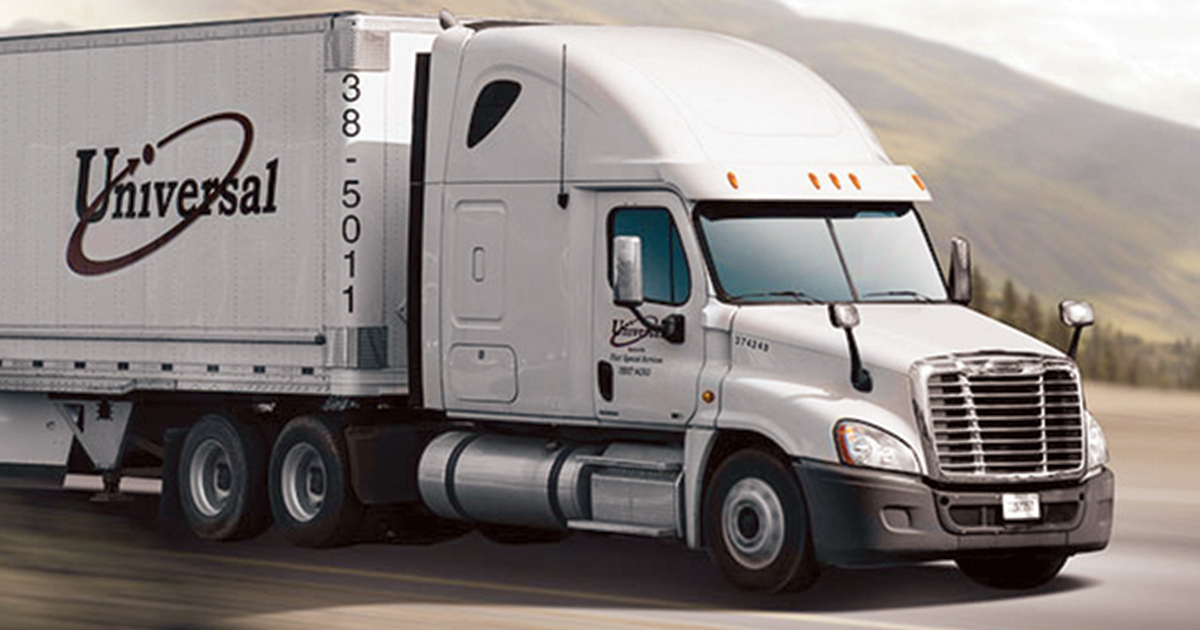
When you hear ‘logistics,’ what comes to mind? Speed? Efficiency? A well-oiled machine churning through goods? For Universal Logistics Holdings, the first quarter of 2024 wasn’t that machine. It was more like… a engine sputtering on startup, coughing out a $3.51 million net loss. A far cry from the profit it posted just a year ago. This isn’t just a number; it’s a symptom of a much larger, more complex narrative unfolding across the transportation and logistics sector.
The company’s report paints a clear picture: a slow start, primarily hammered by the persistent drag of its intermodal segment. CEO Tim Phillips was candid, pointing a finger directly at “continued weakness in our intermodal segment, including lower volumes and pricing pressure.” He acknowledged positive momentum building later in the quarter, but that early-year softness, he stated, “proved to be a meaningful drag.”
The Intermodal Squeeze
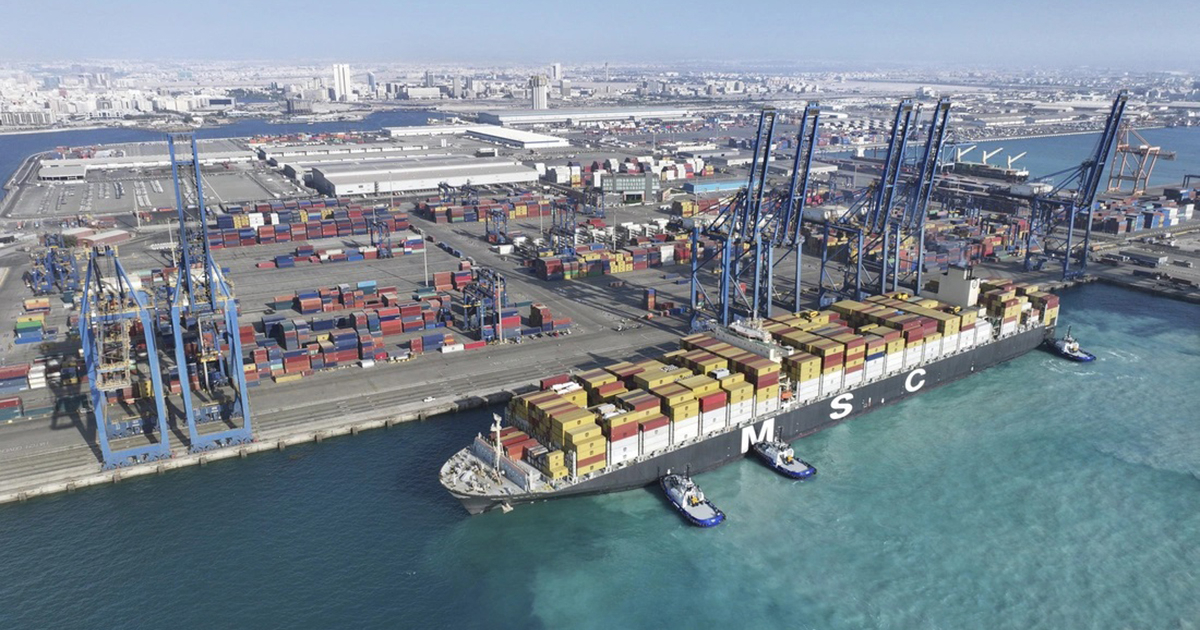
This isn’t rocket science, but it is a fundamental business dynamic. Intermodal, the backbone of so much long-haul freight movement in North America, saw its revenue plummet by over 30%. That’s not a blip; that’s a significant contraction. The culprit? A double whammy of falling volumes and a relentless pressure on pricing. This isn’t a company-specific anomaly; it’s a sector-wide ache. Warehouses are full, consumer demand is… well, let’s just say it’s not exactly roaring, and that translates directly to fewer truckloads, fewer rail cars being booked, and a desperate scramble for every available contract.
Universal’s intermodal segment didn’t just lose money; its operating losses increased by 22.5% year-over-year, hitting a staggering $13.1 million. That’s a hole the size of a small town airport, and it’s swallowing cash. Phillips’ comment about the recovery taking “longer than anticipated” reads like a polite understatement for a problem that’s proving stubbornly resistant to fixes.
Contract Logistics: A Silver Lining, Tarnished
Now, it wasn’t all doom and gloom. The contract logistics division actually grew its revenue, nudging up 5.3% to $269.5 million. This segment, which often involves more specialized services like warehousing and distribution for specific clients, is typically more resilient to the broad market swings that buffet intermodal and trucking. It suggests that while the general freight market is soft, companies are still willing to pay for tailored solutions that optimize their supply chains.
But here’s the rub: despite that revenue growth, operating income in contract logistics actually declined by 26.8%. This is where things get interesting, and frankly, a little concerning. It means that to achieve that modest revenue bump, Universal had to spend more. Margins are getting squeezed even in the areas that are supposed to be performing well. Are they discounting heavily to win business? Are their operational costs creeping up? Or is it simply a reflection of the intense competition and the need to offer more value-added services without necessarily seeing a proportional increase in profit?
This is the kind of architectural shift we’re watching. The old playbook of moving boxes from point A to point B is being rewritten. Clients demand more than just carriage; they want integrated solutions, data analytics, and a guarantee of reliability. Universal is clearly trying to lean into that, but the cost of doing so, especially when the core freight market is struggling, is a significant challenge.
The Trucking Tailspin
And then there’s trucking. Usually the workhorse, Universal’s trucking segment saw revenue drop 9.7%. Load volume dipped, and even the revenue generated per load saw a decrease. The result? Income from operations cratered by a massive 72.7%. This segment, often the most visible part of a logistics company, is directly tied to the pulse of the economy. When businesses aren’t shipping as much, or are pushing for lower rates, trucking takes the hit.
This isn’t just about Universal; it’s a canary in the coal mine for the entire sector. The slow start isn’t a unique event for one company; it’s indicative of a market recalibrating. The post-pandemic boom, with its insatiable demand and sky-high rates, has firmly ended. We’re in a phase of correction, where capacity is still relatively high, but demand has cooled considerably. Companies that expanded aggressively during the boom are now facing the consequences.
Universal ranks in the top tier of carriers and logistics providers in North America. Their struggle isn’t the sign of a small, niche player faltering; it’s a signal from a significant entity in the industry.
“Although we experienced positive momentum as the quarter progressed, the softness in the first two months proved to be a meaningful drag.”
That quote from Phillips is telling. It speaks to the cyclical nature of freight, yes, but also to the operational discipline required to weather these downturns. The question isn’t if the market will recover, but how Universal, and others like it, will adapt to a new normal where efficiency, technology, and strategic partnerships are paramount. The days of simply moving freight and expecting healthy margins are likely behind us. We’re looking at a fundamental restructuring of how logistics companies operate and create value.
Will This Mean Layoffs?
It’s a natural question to ask when companies post losses. While Universal hasn’t announced widespread layoffs, the significant drop in operating income across multiple segments suggests a need for cost-cutting. This could involve renegotiating contracts, optimizing routes, or, in some cases, reducing headcount. However, it’s also possible they’re investing in technology or services to drive future growth, which can temporarily impact profitability.
What is the Intermodal Segment?
The intermodal segment of a logistics company refers to its operations that utilize multiple modes of transportation – typically rail and truck – to move freight. It’s about the smoothly transfer of goods between these different vehicles, often using standardized containers. It’s designed to be more efficient and cost-effective for long-haul shipments than relying solely on trucks.
Is Universal Logistics a Trucking Company?
Yes, Universal Logistics Holdings is both a trucking company and a logistics provider. They operate their own trucking fleet and also offer broader logistics services, which include managing freight across different transportation modes like intermodal rail, and providing contract logistics solutions such as warehousing and distribution.