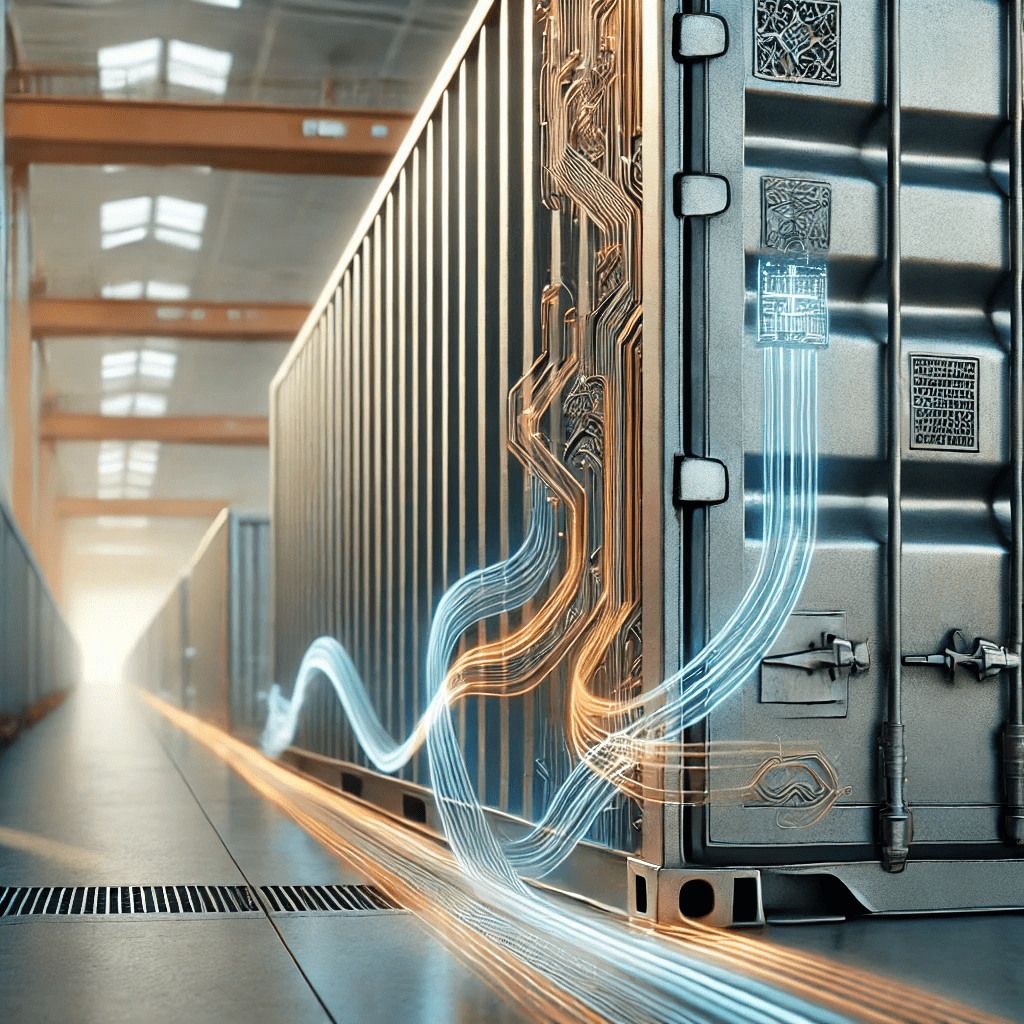
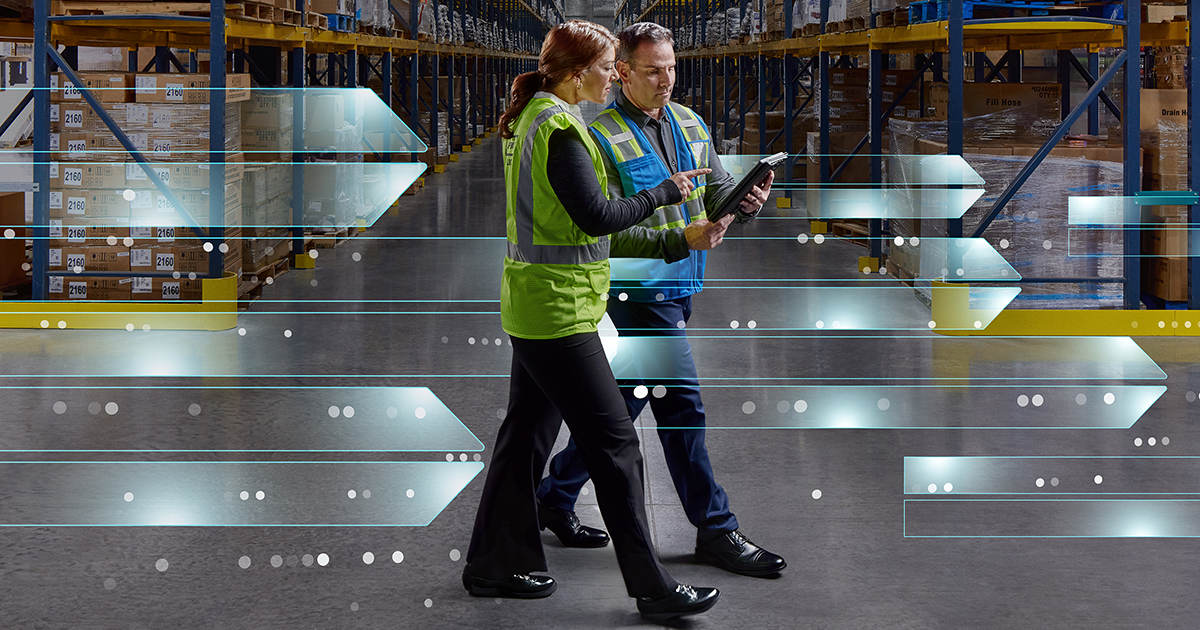
Forget just another tool. AI, my friends, is a platform shift. Think of it like the internet itself, or the advent of electricity. Suddenly, a whole universe of possibilities explodes into existence, rewriting the rules of engagement for every single industry. And the supply chain — that ancient, complex circulatory system of global commerce — is about to get a cosmic upgrade.
We’re not just talking about faster spreadsheets or slightly more efficient routing. This is about intelligence becoming a fundamental building block, a new layer of reality that we can program, optimize, and even co-create with. It’s like moving from a world lit by candles to one powered by the sun. The sheer scale of what’s possible is mind-boggling.
Oil supply worries, economic uncertainty cloud outlook for breakbulk sector. Yes, the world still throws curveballs. The near-term view for the industry is heavily dependent on how quickly the war in the Middle East is resolved, experts said at the Journal of Commerce’s Breakbulk and Project Cargo Conference 2026. Of course, geopolitical tremors and economic headwinds are constant companions for any global operation. But here’s the kicker: AI isn’t just about reacting to these disruptions; it’s about building a supply chain so intelligent, so adaptive, it can anticipate and navigate them with an almost prescient grace.
The AI Superpower: Predictive Omniscience
Imagine a supply chain that doesn’t just track goods, but understands their very intent. AI, with its ravenous appetite for data and its uncanny ability to spot patterns invisible to the human eye, is turning that sci-fi fantasy into a tangible reality. It’s like giving your entire operation a sixth sense, allowing it to predict demand with pinpoint accuracy, identify potential bottlenecks before they even form, and reroute shipments with lightning speed in response to unforeseen events. This isn’t about incremental improvements; it’s about an exponential leap in operational intelligence.
This intelligence allows for a level of proactive management that was simply unimaginable a decade ago. Instead of reacting to a port delay, an AI-powered system could flag the potential disruption days in advance, factoring in weather patterns, geopolitical news feeds, and even the social media chatter of port workers. Then, it would present optimized alternative routes, along with the cost-benefit analysis, often before a human even finishes their first cup of coffee.
But here’s the rub: this isn’t some distant, ethereal future. The foundational AI technologies are here, now. Companies are already weaving these intelligent systems into their fabric, not as add-ons, but as core components. They’re moving beyond simple automation to augmented intelligence, where AI doesn’t replace human decision-making, but amplifies it to an extraordinary degree.
What Does This Mean for the Breakbulk Sector?
For industries like breakbulk and project cargo, traditionally characterized by complex, often bespoke logistics, the AI revolution promises a paradigm shift. These are the operations that move the world’s largest, most valuable, and often most sensitive items. The margin for error is razor-thin. AI offers the potential to bring an unprecedented level of predictability and optimization to these highly specialized fields. Think of AI as the ultimate project manager, capable of juggling an infinite number of variables with unparalleled precision. It can analyze historical project data, weather forecasts, vessel availability, and even political stability reports to craft the most efficient and resilient shipping plans.
This isn’t just about moving steel beams or wind turbine components more efficiently. It’s about de-risking massive investments by ensuring they reach their destination on time, every time. It’s about unlocking new efficiencies that can translate directly into cost savings and competitive advantages. The companies that embrace this platform shift will be the ones dictating the future of global trade.
The Skeptic’s Corner: Hype vs. Reality
Now, I know what some of you are thinking. “AI is just another buzzword. It’s all hype.” And yes, there’s a lot of noise out there. Plenty of companies are slapping “AI-powered” onto every new feature like it’s a magic spell. But look past the marketing jargon. The real impact lies in the fundamental capabilities these technologies unlock: sophisticated pattern recognition, advanced predictive modeling, and generative capabilities that can create novel solutions.
The key isn’t to adopt AI for AI’s sake, but to understand how these capabilities can solve real supply chain problems. It’s about building systems that are more resilient, more transparent, and more responsive than anything we’ve seen before. The companies that succeed won’t be the ones with the most AI jargon, but the ones with the smartest, most AI-enabled operations.
The Inevitable Evolution
The shift to AI as a foundational platform is as inevitable as the tides. It’s not a question of if, but when and how your supply chain will adapt. Are you building the intelligence into your processes now, or are you waiting for the wave to crash over you? The future of logistics isn’t just digital; it’s intelligent.
🧬 Related Insights
- Read more: Regional Supply Chains: Globalization’s Slow Fade? [Data]
- Read more: El Niño’s Shadow Falls on Panama Canal — Low Water Looms Again
Frequently Asked Questions
Will AI replace supply chain jobs? AI is more likely to augment human roles than replace them entirely. It will automate repetitive tasks, freeing up human workers for more strategic, complex, and creative problem-solving. New roles focused on AI management, data analysis, and ethical AI deployment will emerge.
How can I start incorporating AI into my supply chain? Begin by identifying key pain points in your current supply chain. Look for areas where data analysis, prediction, or automation could provide significant benefits. Start small with pilot projects and gradually scale up as you see success.
Is AI suitable for specialized sectors like breakbulk? Absolutely. AI’s ability to process vast amounts of complex data and identify complex patterns makes it exceptionally well-suited for specialized sectors like breakbulk, where precision and risk management are paramount.