Did you even realize the U.S. government might be quietly backing away from its push for cleaner trucks, only to find fleets doubling down on those very technologies themselves?
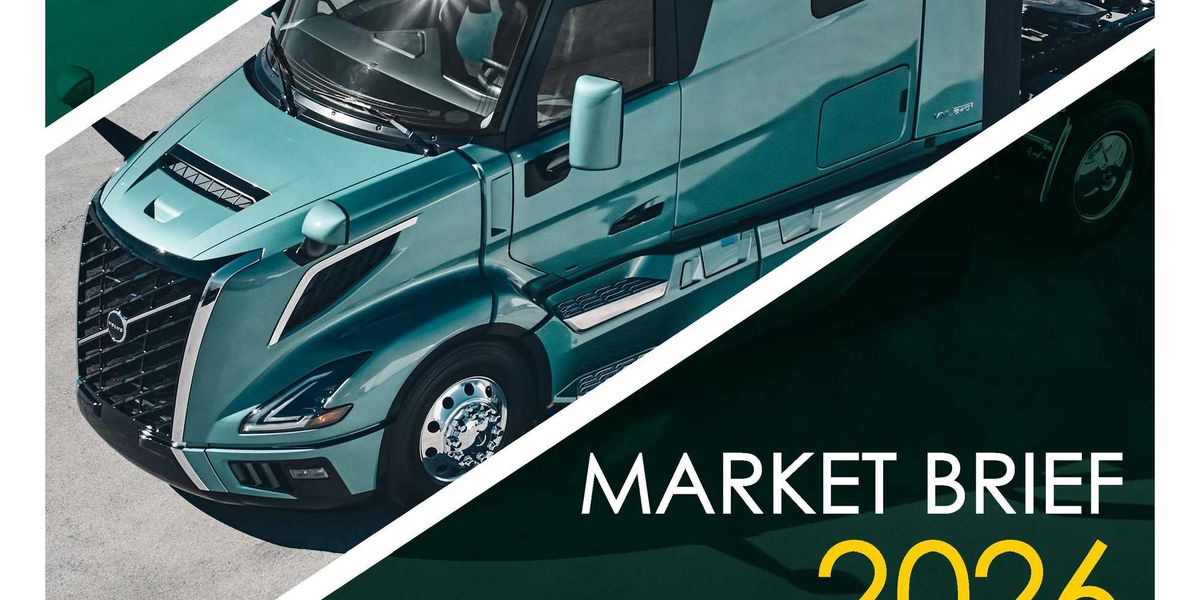
That’s the head-scratcher at the heart of a new report from TRC Companies, a firm that usually lives in the weeds of environmental consulting. Their latest market brief, “The State of Sustainable Fleets,” paints a picture of a sector suddenly adrift from federal support but remarkably unbothered, even invigorated. Think of it like a kid whose parents cut off their allowance, only to find them independently landing a better-paying part-time gig.
The report’s litany of federal setbacks reads like a roll call of legislative whiplash: rollback of greenhouse gas standards, expiration of crucial tax credits, cancelled funding, and the nullification of California’s pioneering clean truck rules. Add to this the rising cost of new trucks — tariffs and impending EPA engine mandates are having their say — and a lingering freight recession, and you’d expect the sustainable trucking train to derail. But it hasn’t.
Instead, what we’re witnessing is a fascinating architectural shift. Fleets aren’t just looking for a solution; they’re building a diversified portfolio of them.
The Portfolio Approach: Beyond Diesel Dependency
Nate Springer, VP of market developments at TRC, articulates this shift with striking clarity:
Rather than retrenchment [into diesel drivetrains], we’re seeing interest and growth by fleets across a portfolio of solutions, so that they deploy each where it works best.
This isn’t just corporate speak for “we’re doing a bit of everything.” It’s a fundamental recalibration of risk. For years, the push for cleaner trucks often felt like a top-down mandate, a regulatory hammer waiting to fall. Now, with that federal oversight wavering, the decision-making is seeping back down to the operational level, where practicality and profit margins reign supreme. Fleets are becoming their own strategic planners, a democratization of innovation that’s far more telling than any government directive.
Look at the specifics. Diesel vehicles are still clinging on, but their improvement is coming from efficiency tech and driver behavior, alongside a significant uptick in renewable diesel (RD) and biodiesel (BD) adoption. It’s a pragmatic, incremental approach to squeezing more miles out of existing infrastructure.
Natural Gas and Propane: The Unsung Heroes?
Then there’s natural gas. Registrations dropped 15% in 2025, a dip the report attributes squarely to the freight recession, not a loss of faith in the tech itself. The arrival of Cummins’ X15N engine, promising diesel-like power with lower emissions and operating costs, suggests natural gas is far from out of the race, especially when paired with renewable natural gas. Propane, too, shows quiet resilience with a 3% increase in vehicles and significant operational cost savings reported by fleets. These aren’t flashy, headline-grabbing technologies, but they represent tangible, on-the-ground benefits.
Battery-electric vehicles (BEVs) are a mixed bag. Medium-duty electric growth, like delivery vans, is expected to stall due to the evaporation of tax credits and infrastructure hurdles. Heavy-duty electric tractors, though down in 2025, show signs of a comeback. This points to the uneven maturation of EV tech across different truck classes.
Hydrogen’s Hazy Horizon
Hydrogen fuel cells, well-suited for long-haul, still appear to be tethered to the federal purse strings. A 12% drop in new registrations signals that without sustained government backing, this promising but capital-intensive technology faces a precarious future. It’s a stark reminder that some advancements require a long-term, stable funding commitment that current policy seems unwilling to provide.
The AI Undercurrent: Optimizing the Existing Fleet
But the most fascinating architectural shift, arguably, lies in the burgeoning adoption of Artificial Intelligence. Nearly half of surveyed fleet professionals are already using AI tools, primarily for route planning, dispatch, and maintenance diagnostics. Yet, a significant gap exists between adoption and actual deployment—only about a fifth of vehicles or routes are managed by AI.
This is where AI’s true potential for sustainability lies, not just in developing new powertrains, but in optimizing the ones we already have. Reducing unnecessary miles, fine-tuning engine performance, and predicting maintenance needs can all contribute to a more efficient, less carbon-intensive operation, regardless of the fuel being burned. It’s about smarter operations, not just cleaner engines.
Ultimately, the TRC report is a proof to the adaptive spirit of the trucking industry. Faced with a wavering federal hand, fleets are showing an incredible ability to innovate and diversify, hedging their bets across a spectrum of technologies. The future of sustainable trucking isn’t a single destination; it’s a complex, interconnected network of solutions, increasingly powered by data and intelligent decision-making. And that, frankly, is a far more interesting story than whatever’s happening in Washington.
Historical Parallel: The Rise of the Independents
This current dynamic for sustainable trucking reminds me of the post-World War II era in the automotive industry. As the dominance of the Big Three consolidated, independent manufacturers often struggled to compete on scale but differentiated themselves through niche innovations and a more direct connection with consumer needs. Similarly, today’s fleets, perhaps feeling less beholden to a singular federal vision, are carving out their own paths, experimenting and investing in technologies that best fit their specific operational realities and financial models. It’s a bottom-up innovation wave, akin to the rise of the independent repair shops and customizers who kept the automotive aftermarket vibrant.
🧬 Related Insights
- Read more: Trump’s NATO Fury: Poisoning the Alliance That Secures Global Supply Lines
- Read more: Container Volumes Explode 12%—Geopolitics Poised to Derail the Party
Frequently Asked Questions
What does TRC Companies’ report say about federal support for clean transportation?
The report indicates that federal support for clean transportation policies and funding has become more uncertain, citing setbacks like the rollback of greenhouse gas standards and the expiration of tax credits.
Are fleets still interested in sustainable trucking technology?
Yes, despite the lack of federal support, the report shows continued and growing interest from fleets in alternative fuels, clean vehicle technology, and supporting infrastructure.
How is AI being used in fleet management according to the report?
AI is primarily being used for route planning and dispatch, maintenance diagnostics, and preventative maintenance, though its full deployment across fleets is still limited.