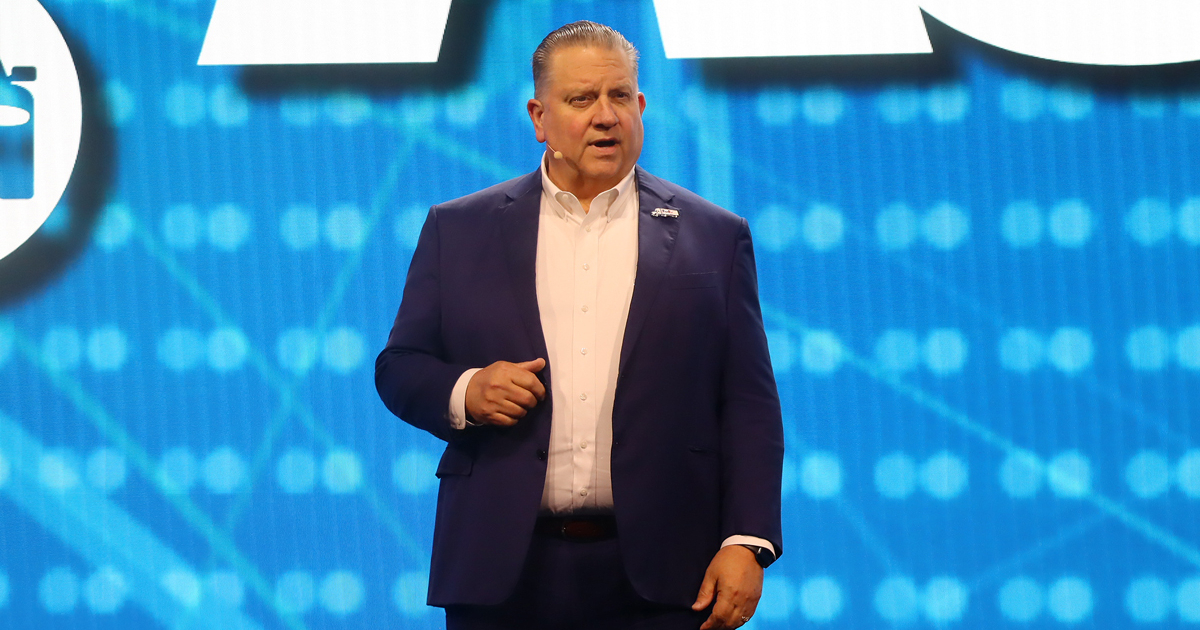
Everyone expected a grand pronouncement about electric or hydrogen behemoths taking over the LTL fleet. The usual tech-hype cycle. Instead, FedEx Freight’s incoming CEO John Smith just threw a rather large wrench into that narrative.
He’s talking RNG tractors. Renewable Natural Gas. Not tomorrow, not next decade, but in the next two to four years. This isn’t about a distant, idealized future; it’s about getting the job done now.
The RNG Reality Check
Look, we all want cleaner air. We all want trucks that don’t spew smog. But the industry’s been chasing electric and hydrogen for ages, and frankly, Class 8 utilization demands are a brutal mistress. Smith’s got the right idea: make business sense first. Sustainability that bankrupts you isn’t sustainable.
“Sustainability is only sustainable if it makes business sense. You can only make a difference if you stay in business.”
That’s the hard truth nobody wants to admit when they’re busy polishing their ESG reports. FedEx Freight, bless their pragmatic hearts, understands this. They’re talking about engines that work, now. RNG fits the bill for duty cycles. It’s a ready-now solution.
Beyond the Hype
Battery-electric trucks? Sure, for predictable routes and consistent charging. And hydrogen? Maybe, someday. But Smith isn’t waiting for hypothetical breakthroughs. He’s focused on what’s proven. This is refreshing. It’s also a smart move ahead of their June 1 spinoff. They need stability, not science experiments.
FedEx Freight isn’t small potatoes. We’re talking 365 locations, 26,000 service center doors, and 30,000 vehicles. They’re also optimizing their network, shedding underperforming locations while beefing up in dense freight areas. That’s smart business, regardless of powertrain.
The Pragmatic Path Forward
Smith’s stance is a stark contrast to the often-feverish pronouncements we hear from some corners of the industry. He’s not falling for the vaporware. He wants technology that fits smoothly into their operations. Like another truck. Another tool. No fuss.
This approach signals a shift. It’s not about being the first to adopt the newest, shiniest tech. It’s about being the most efficient, most profitable, and yes, most environmentally conscious operator. RNG offers a viable, immediate path to reducing carbon intensity without sacrificing performance. It’s a win for the bottom line and a win for the planet—a rare combo indeed.
This isn’t just about FedEx Freight, either. Their decisions ripple. If the largest LTL carrier in North America is leaning heavily into RNG, expect others to follow. The pressure to adopt cleaner fuels is immense, but the practicalities of large-scale, heavy-duty trucking have always been the sticking point. Smith’s approach acknowledges these realities.
Will This Replace My Job?
No. Technology adoption, especially in fleet operations, is a gradual process. While new powertrains require new skills for maintenance and operation, they also create opportunities for those who adapt. The focus on pragmatic solutions like RNG suggests a steady evolution rather than an overnight disruption.
What is RNG in the Context of Trucking?
Renewable Natural Gas (RNG) is essentially methane captured from organic waste sources like landfills, wastewater treatment plants, and agricultural operations. It’s then purified to meet the same standards as conventional natural gas (CNG) and can be used in engines designed for natural gas fuel. This makes it a lower-carbon alternative to diesel as it utilizes waste products that would otherwise release potent greenhouse gases.
Why is FedEx Freight Prioritizing RNG Now?
FedEx Freight’s incoming CEO, John Smith, emphasizes that RNG is a “ready-now solution” that fits the “rigors of our duty cycles.” Unlike battery-electric or hydrogen technologies, which still face significant infrastructure and performance challenges for heavy-duty Class 8 tractors, RNG is a proven, deployable option that offers immediate carbon intensity reductions. It aligns with their business need for reliable and efficient fleet operations ahead of their upcoming spinoff.