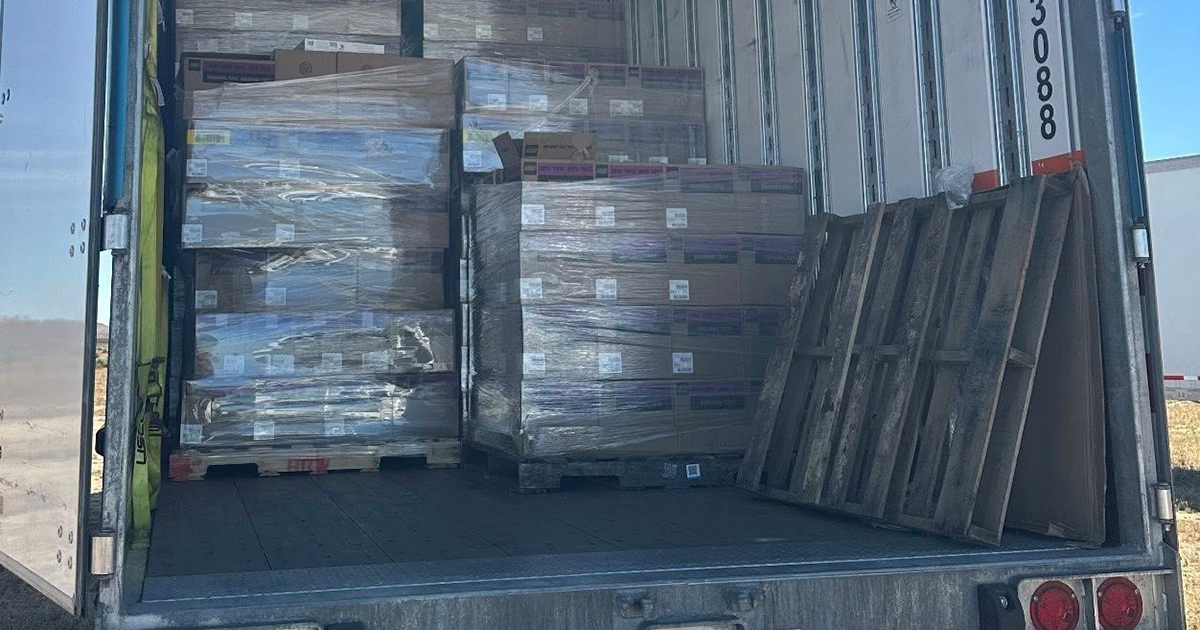
Could a sleepy desert patrol turn into a million-dollar toy bust? Apparently. Kern County deputies, driving along a desolate stretch of California state Route 14, didn’t just find sand and scrub brush; they found two stolen trailers loaded with $1 million worth of Lego products. This isn’t just a quirky news byte; it’s a stark reminder of the persistent, high-stakes game of cargo theft that continues to plague the supply chain.
The discovery, made on April 8th in the remote Mojave Substation area, came after a passerby reported suspicious activity. When deputies arrived at the location, two box trucks were seen fleeing the scene. A pursuit ensued, leading to traffic stops and, astonishingly, the discovery of a significant quantity of Lego merchandise within the trucks. Three men, identified as Ruben Lopez Flores, Jose Lopez, and Freddy Hernandez Polinar, were subsequently arrested.
The Haul: More Than Just Toys
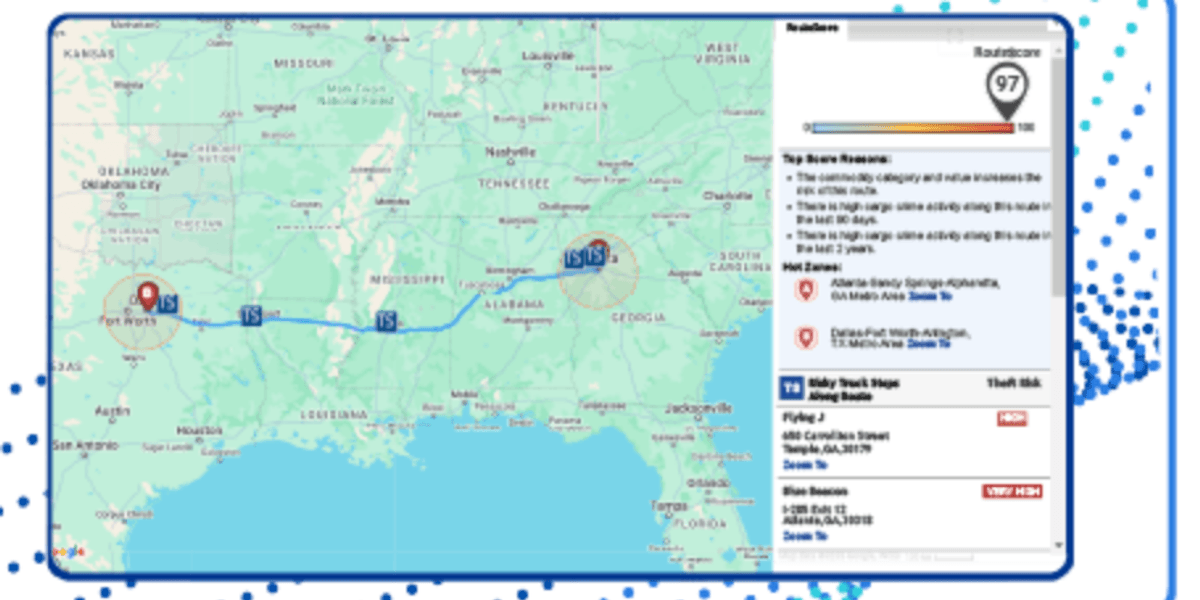
The stolen goods were en route from Fort Worth, Texas, to Moreno Valley, California – a 1,342-mile journey abruptly halted in the middle of nowhere, 120 miles short of their destination. The reported value? A cool $1 million. The fact that Lego, a brand synonymous with childhood joy, is now a target for high-value cargo theft speaks volumes about evolving criminal priorities. These aren’t petty shoplifters; these are sophisticated operations targeting goods that offer substantial resale value.
The area is a desert area that is rural with no homes or businesses nearby.
That quote from Lori Meza, KCSO public information officer, is telling. It highlights the preferred modus operandi for these thefts: remote, low-surveillance areas offering ample opportunity for offloading or stashing illicit cargo.
Why Lego? High-Value, High Demand
The American Transportation Research Institute’s (ATRI) 2025 report on cargo theft, cited in the original reporting, is crucial here. It underscores that cargo thieves are actively seeking goods that can be easily fenced without raising suspicion. Lego, particularly its more elaborate and expensive sets aimed at adult collectors (like the $649.99 “White City of Minas Tirith” set), fits this profile perfectly. These aren’t items easily tracked through the legitimate retail channels once they’re out of the system. ATRI estimates cargo theft costs the freight transportation industry $18 million daily, with a staggering 74% of stolen goods disappearing forever. This isn’t a fringe issue; it’s a pervasive drain on the economy.
A Persistent Problem, A Familiar Hotspot
This incident also shines a light on a persistent vulnerability: the Dallas-Fort Worth area. ATRI’s report identifies DFW as one of the nation’s top hotspots for trailer theft and pilferage, alongside other major logistics hubs like Los Angeles, Atlanta, and New York. It’s clear that the sheer volume of freight moving through these areas, coupled with their complex logistical networks, creates fertile ground for criminal enterprises. The Fort Worth Police Department, as the lead investigating agency on the origin of the shipment, has provided no further comment, leaving us to speculate on the specifics of how this valuable cargo slipped through their net.
The charges filed against the three individuals – possession of a stolen vehicle, cargo theft (a felony due to the value exceeding $950), and conspiracy – are standard for these types of operations. What’s less standard is the recovery of the goods themselves. While the KCSO successfully returned all items to the victim company, Meza noted that the recovered Lego is being held as evidence. This recovery, while a win for the immediate case, doesn’t erase the systemic issues that allow such thefts to occur.
The Bigger Picture: Beyond the Bricks
This isn’t just about a million dollars in toys vanishing. It’s a microcosm of the broader challenges facing supply chain security. The sophistication of cargo thieves, the attractiveness of high-value consumer goods for resale, and the persistent vulnerabilities in logistics hubs all contribute to a landscape where such events are not anomalies, but predictable occurrences. For trucking companies, as ATRI notes, cargo theft has become a “standard cost of doing business.” That’s a chilling thought, and one that ultimately gets passed down to the consumer. The question remains: When will the industry truly shift from reactive measures to proactive, systemic security that moves beyond treating theft as an unavoidable operating expense?