Are we sure shipping companies actually read regulations before acting on them?
Because CMA CGM, that titan of container shipping, is at it again. They’re moving two more of their precious metal boxes—sorry, containerships—onto the Indian registry. This isn’t a sudden whim, mind you. It’s the latest salvo in their ongoing dance with India’s increasingly… particular maritime rules. The Maritime Executive sniffed this out late April. Good for them. Someone’s paying attention.
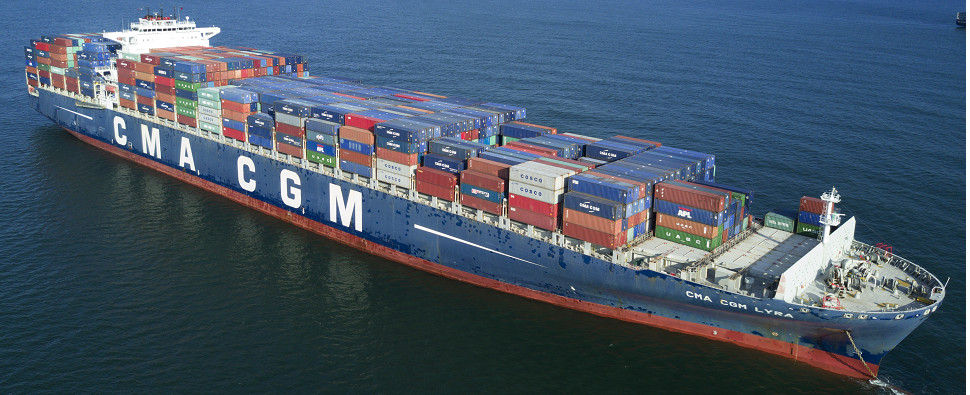
It’s all about that Indian flag. Last year, CMA CGM started this little migration, ostensibly to “expand its presence” and, more importantly, to sidestep those ever-so-annoying cabotage rules. You know, the ones that basically tell foreign ships, “Don’t carry domestic cargo unless we absolutely have to let you.” The CMA CGM Vila do Conde, a vessel with enough space for a small city’s worth of flat-pack furniture (2,556 TEU), just hopped from Malta to India. Built in 2009, it’s been doing its thing for CMA CGM since 2023. Now it wears the Indian flag.
And the party isn’t over. Papers are already filed for the CMA CGM Semarang. Another vessel, built in 2007, with a slightly larger appetite for goods (2,700 TEU). This one’s also ditching Malta for India. These two are slated to become the fifth and sixth ships to join CMA CGM’s Indian fleet. It kicked off in April 2025 with the CMA CGM Victoria, followed by the Mendelssohn, Diamond, and Manaus. The last one landed at the start of this year. It’s a migration, pure and simple.
Why all the fuss? India’s cabotage regulations are tightening their grip. In January of this year, the Ministry of Ports, Shipping, and Waterways slammed the door on a 2018 exemption. That exemption had allowed foreign ships to ferry certain types of containers—exports, empties, and even farm produce—without too much hassle. Now? India wants its own ships doing the heavy lifting. It’s classic protectionism, dressed up as national development. Standard operating procedure for many nations looking to boost their own industries.
CMA CGM was the first big player to jump on this Indian registry bandwagon. Maersk, predictably, followed suit with a couple of its own vessels. And MSC? Word on the docks is they’re eyeing a dozen ships. Hapag-Lloyd is also planning to register four. It’s a veritable gold rush for the Indian flag. And it’s not just about the flag; these regulations demand Indian seafarers on board. CMA CGM claims it’s already got 1,000 Indian seafarers in its ranks, with plans to hit 1,500 by year-end. Good for them. Everyone needs a workforce, right?
But here’s the real juice, the bit they probably don’t plaster on their glossy brochures. India’s rules also say ships older than 20 years can’t join the registry. Except… once they’re on the registry, they can apparently stick around until they’re 30. CMA CGM is using this to its advantage, bringing older vessels into the Indian fold to extend their operational life. It’s a neat workaround, isn’t it? A way to keep aging assets chugging along, powered by regulatory arbitrage. Meanwhile, existing ships on the registry have a ticking clock – 2029, maybe 2031 if they’re lucky. This isn’t just about compliance; it’s about creative asset management.
And to sweeten the pot further, CMA CGM signed a newbuild contract with India’s Cochin Shipyard back in February. Six LNG-powered vessels, each capable of carrying 1,700 TEU. The first one’s due in 2029. So, it’s a mix of old ships getting a new lease on life and future investment. They’re playing the long game, or at least the long-regulation game.
India is rolling back cabotage exemptions as part of an effort to strengthen its domestic shipping industry.
My take? This isn’t just about CMA CGM being a good global citizen. It’s a calculated move to gain preferential access to a massive, growing market. By flagging ships in India, they’re buying themselves a smoother passage, avoiding tariffs, and potentially undercutting competitors still operating under less favorable flags. It’s smart business, sure, but it also highlights the fragmented and protectionist nature of global trade rules. Shipping companies are just looking for the path of least resistance—or least regulation.
Is This Strategy Sustainable?
For now, it seems to be. CMA CGM is leveraging India’s desire to bolster its maritime sector. The cabotage laws are a clear signal, and by complying—and then some—they’re positioning themselves favorably. The age loophole is particularly clever; it extends the useful life of their existing fleet in a way that probably wasn’t anticipated by the regulators when they first set the 20-year rule. It’s a dance of compliance and exploitation, a common theme in international commerce.
What Does This Mean for Other Carriers?
Expect more of the same. If CMA CGM and Maersk find success, others will surely follow. MSC’s reported plans for 12 ships is a significant number and suggests they see real benefit in this approach. It forces competitors to either register their own vessels in India or find alternative strategies to compete within the Indian market, which might be more costly or complex. It’s a ripple effect that could reshape regional shipping dynamics.
What is the Benefit of Registering Ships in India?
The primary benefits include complying with India’s cabotage laws, which restrict foreign-flagged vessels from carrying domestic cargo. Registering in India allows carriers to operate more freely within the country’s domestic trade. Additionally, it offers a way to extend the operational life of vessels that might be nearing age restrictions in other registries, as Indian regulations permit ships registered there to operate until age 30, compared to a common 20-year limit for new registry entries. It also aligns with India’s goal of strengthening its domestic shipping industry.
Will This Impact Seafarer Employment?
Yes, significantly. The regulations explicitly require ships registered in India to employ Indian seafarers. CMA CGM’s own statements indicate a proactive approach to increasing their Indian seafarer workforce. This trend suggests a growing demand for Indian maritime talent and could lead to increased job opportunities and training for seafarers within India.
How Does India Benefit from This?
India benefits in several ways. Firstly, it helps strengthen its domestic shipping industry by encouraging carriers to fly the Indian flag. This can lead to increased maritime infrastructure development, port utilization, and revenue. Secondly, the requirement to employ Indian seafarers boosts employment opportunities within the country’s maritime sector. Finally, it positions India as a more significant player in global shipping, attracting investment and fostering a more strong maritime ecosystem.