Ever stopped to think about what it takes to get a COVID vaccine from a sterile lab to your arm, all while keeping it colder than a polar bear’s picnic? It’s not just a refrigerated truck; it’s a symphony of precisely controlled environments, and Geodis is conducting a major new movement right here in the Americas.
This isn’t just another warehouse opening. Geodis, a heavyweight in third-party logistics (3PL), has just unveiled its maiden dedicated healthcare cold chain cross-dock facility in the heart of Chicago. And let me tell you, this is the kind of infrastructural leap that makes you sit up and pay attention to the future of healthcare supply chains. We’re talking about handling temperature-sensitive medications and products with an obsessive level of care.
A Fortress for Pharmaceuticals
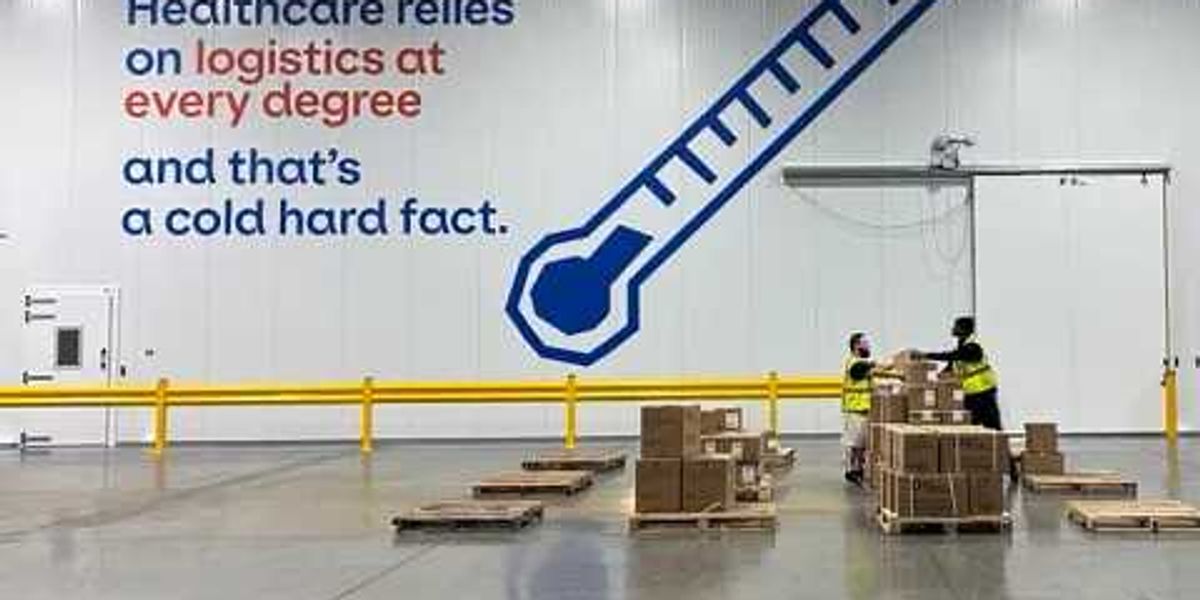
The stats themselves are eye-opening: a 78,000-square-foot facility, a Container Freight Station (CFS) and bonded operation all rolled into one. But the real magic? A 5,200-square-foot, climate-controlled addition that acts as the nerve center. This isn’t just about keeping things cool; it’s about maintaining rigorous temperature integrity as products are processed for both air and ocean freight exports and imports. Think of it as a highly specialized, high-stakes pit stop for pharmaceuticals making their way across the globe.
What’s truly impressive is the dual-zone approach. One zone chills at a deep 15-25 degrees Celsius – that’s not arctic, but precise for certain sensitive compounds. The other is a true refrigerator, humming along at a crisp 2 to 8 degrees Celsius. This granular control is the bedrock of pharmaceutical integrity, preventing degradation and ensuring efficacy. It’s like having two distinct, perfectly calibrated thermostats for two different ecosystems, each vital for its inhabitants.
Beyond Bricks and Mortar: Certification is Key
But Geodis isn’t just building fancy cold rooms; they’re building trust. This Chicago hub is a Certified Cargo Screening Facility (CCSF) for exports. Even more significantly, it’s earned the IATA’s Center of Excellence for Independent Validators in Pharmaceutical Logistics (CEIV Pharma) certification. That’s not just a fancy acronym; it’s a stamp of approval that says Geodis’ facilities, equipment, operations, and — crucially — staff are operating at the absolute highest international standards for pharmaceutical logistics. It means they’ve been scrutinized, measured, and proven worthy. This level of certification is the difference between a supplier and a true partner in the incredibly sensitive healthcare sector.
Connecting the Dots: A Global Cold Chain Network
This Chicago investment isn’t an isolated event; it’s a deliberate expansion of Geodis’ existing global cold chain capabilities. With operations in 170 countries and a growing map of certified facilities, this Americas hub plugs directly into a vast international network. Similar specialized cold chain facilities already exist in key global gateways like France, the UK, the Netherlands, and Germany. It’s about creating a smoothly, unbroken chain of custody where temperature fluctuations are not an afterthought, but a non-existent problem.
This is the fundamental platform shift that AI promises, but it’s also the practical, physical realization of advanced logistics. We’re moving beyond simply moving boxes to orchestrating complex, temperature-sensitive journeys with an unprecedented level of precision. The implications for pharmaceutical manufacturers, for patient safety, and for the global distribution of vital medicines are profound. This isn’t just about Chicago; it’s about a more secure, reliable, and advanced future for healthcare logistics worldwide.
According to the company, the facility allows it to maintain end-to-end internal control over temperature-sensitive healthcare cargo as it moves through the company’s global network, which includes 170 countries and a growing map of certified facilities.
AI, in this context, isn’t just optimizing routes; it’s enabling this hyper-precision. It’s managing the data streams from thousands of sensors, predicting potential temperature deviations before they happen, and rerouting or alerting personnel with lightning speed. This physical infrastructure, powered by unseen digital intelligence, is the real deal. It’s the quiet revolution happening in plain sight, ensuring that the medicines we depend on arrive safe, sound, and effective.