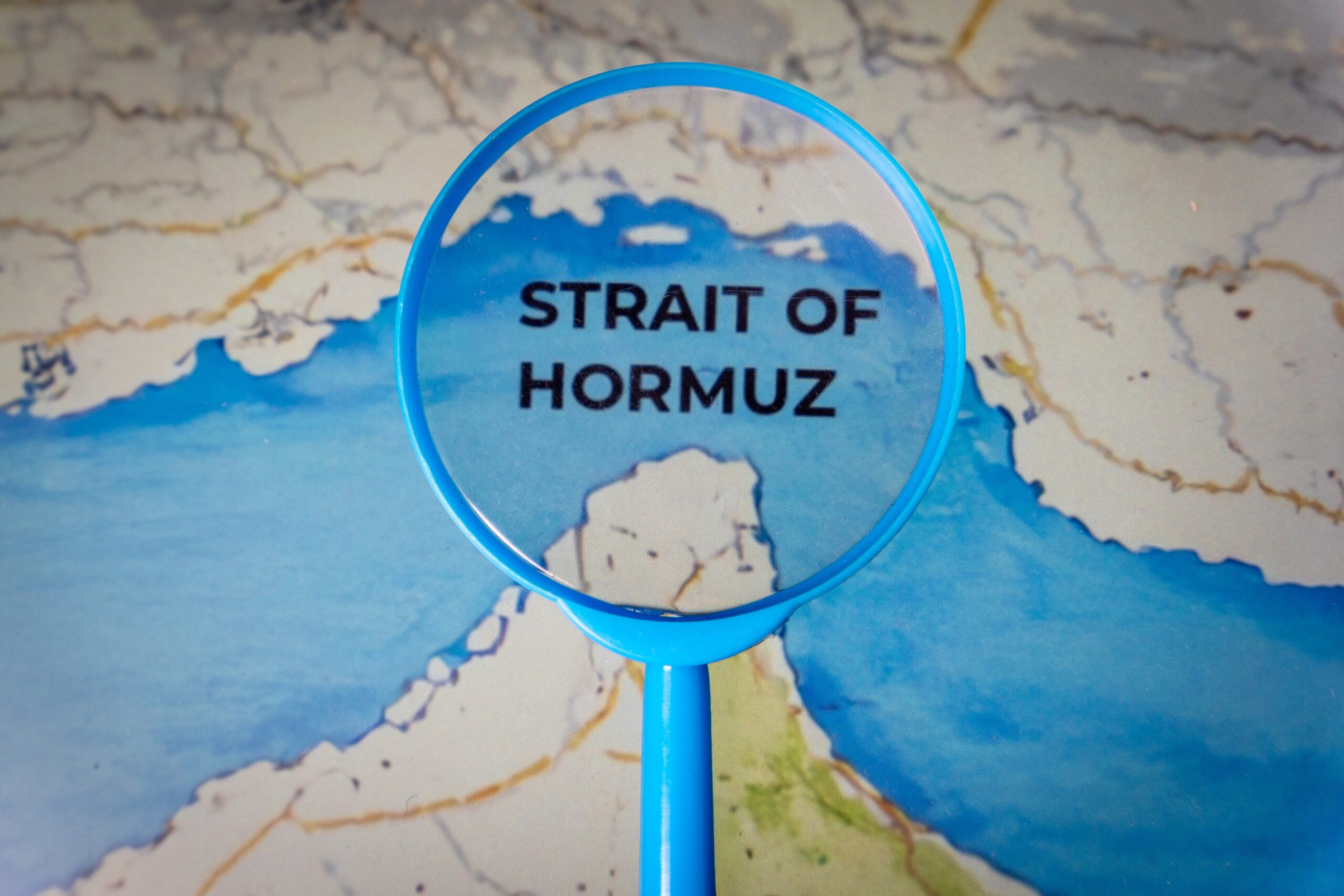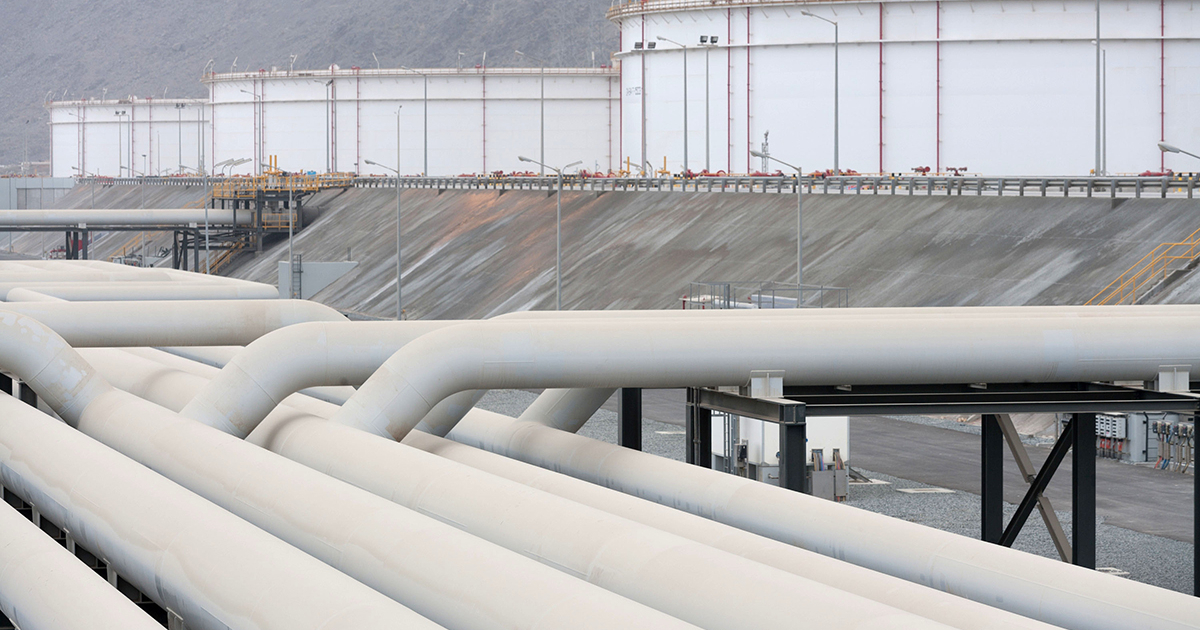
Everyone assumed the Strait of Hormuz was the undisputed king of oil transit in the Persian Gulf. For decades, if you wanted to move serious barrels out of the region, you went through that narrow, tense waterway. But now? Not so fast. The United Arab Emirates is making it crystal clear they’re over that dependence, throwing a massive expansion project into high gear that will essentially create a bypass, a grand detour straight to the Gulf of Oman. This isn’t just a minor tweak; it’s a geopolitical and logistical pivot.
The Abu Dhabi National Oil Company (Adnoc) is pushing forward with a pipeline extension to the port of Fujairah, a move that will effectively double the UAE’s crude export capacity outside of Hormuz by 2027. They already have one 1.5 million barrel-a-day pipeline humming along to Fujairah, which has proven its worth as a lifeline during recent regional dust-ups. Think of it as a Plan B, but now Plan B is getting a serious upgrade.
Now, the PR spin is all about “accelerating construction” due to “current events.” And sure, the war in the Middle East, with Iran effectively shutting down the normal Hormuz route for a spell, certainly gives this project an urgent, almost desperate, new significance. It’s the kind of thing that makes a planned infrastructure upgrade look like a stroke of genius, or perhaps, just plain good timing. But let’s be honest, the logic for this pipeline expansion predates the current hostilities. Reducing dependence on Hormuz? That’s been a strategic objective for a while, a whisper in the background of every oil minister’s speech.
This whole Hormuz kerfuffle has thrown a wrench into global supply chains, disrupting everything from oil and gas to metals and fertilizers. When a choke point like that gets clogged, economies shudder. The U.S. has been flexing its muscles with its own blockades, and suddenly, only a couple of Gulf producers – the UAE and Saudi Arabia – can reliably get their crude to market. It’s a stark reminder of how fragile these global trade routes really are.
The Real Reason for the Bypass: Control and Cash
The fact that Adnoc is accelerating this project isn’t just about having more capacity; it’s about having options. And options, in the oil game, translate directly to cash. The UAE has already decided to exit OPEC, which means they’re no longer bound by production quotas. They want to pump more, and crucially, they want to be able to sell more, regardless of what’s happening with their neighbors. This pipeline expansion is the physical manifestation of that newfound independence.
Carole Nakhle, CEO of Crystol Energy Ltd., hit the nail on the head: “The core strategic objective is clear: reducing dependence on the Strait of Hormuz.” But I’d add to that: it’s also about control. When you control the export route, you control the flow. You’re not at the mercy of regional politics or potential blockades. Adnoc is set to boost its upstream capacity to 5 million barrels a day by next year. What’s the point of pumping all that oil if your export infrastructure becomes the bottleneck? It’s like building a Ferrari and then only having enough gas station access to drive it around the block.
This new pipeline isn’t just for their flagship Murban crude anymore. With the expanded capacity, they’ll likely have enough room to export their offshore grades like Upper Zakum from Fujairah, too. That’s a smart move, diversifying what they sell and appealing to refiners who like those specific grades. It’s all about maximizing their upstream investments with strong downstream — or in this case, ‘side-stream’ — export capabilities.
Is Fujairah Really Safe?
Now, let’s not get too comfortable. The UAE isn’t the only one thinking about Hormuz workarounds. Saudi Aramco has its own pipeline to the Red Sea. But here’s the kicker: neither of these bypass routes is a perfectly safe haven. During this current conflict, infrastructure at both ends of the UAE’s existing pipeline to Fujairah has been targeted. Iranian drones hit a gas facility near where the pipeline starts, and the port of Fujairah itself has seen damage that’s messed with shipments. So, while the pipeline itself might not have been hit yet, the ports and facilities it relies on are vulnerable. It’s a bit like building a reinforced vault but leaving the key sitting on the counter.
Still, the biggest players in the Gulf are clearly building alternatives. They’re looking to the future, creating options, and hedging their bets. The question is, who’s actually making money on all this construction? Adnoc, obviously. And the contractors building the pipeline. But beyond that, it’s about securing revenue streams in an increasingly volatile world. This isn’t just about moving oil; it’s about ensuring the flow of petrodollars keeps coming, no matter what happens in the Strait of Hormuz.
🧬 Related Insights
- Read more: King’s Speech: Glimmers of Freight Hope?
- Read more: Kalshi’s Kid-Proofing: Does It Really Protect Young Traders?
Frequently Asked Questions
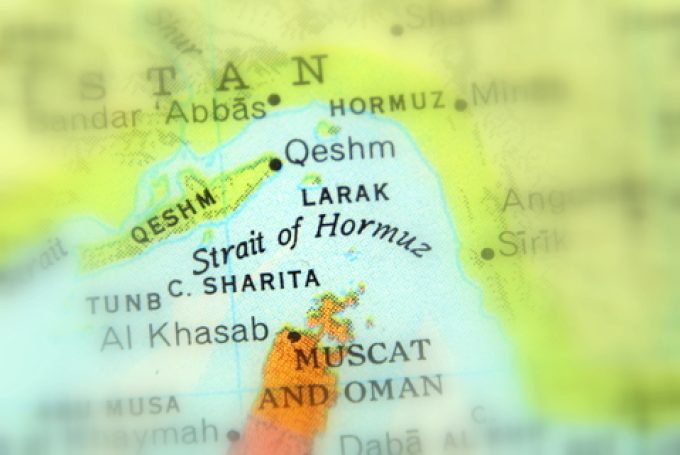
What is the Strait of Hormuz? The Strait of Hormuz is a narrow waterway between the Persian Gulf and the Gulf of Oman, a critical chokepoint for global oil and gas shipments.
Will this UAE pipeline bypass completely replace Hormuz? No, the new pipeline offers an alternative and increased capacity bypassing Hormuz, but Hormuz will likely remain a significant, albeit strategically mitigated, transit route for global oil.
When will the new UAE pipeline be completed? The new pipeline is slated for completion in 2027, aiming to double the UAE’s oil export capacity.