Shippers and importers — that’s you, the folks actually paying the bills — are staring down higher costs just as holiday orders taper off. Transpacific ocean rates are rising, sure, but with demand softening? It’s like charging premium for an empty stadium.
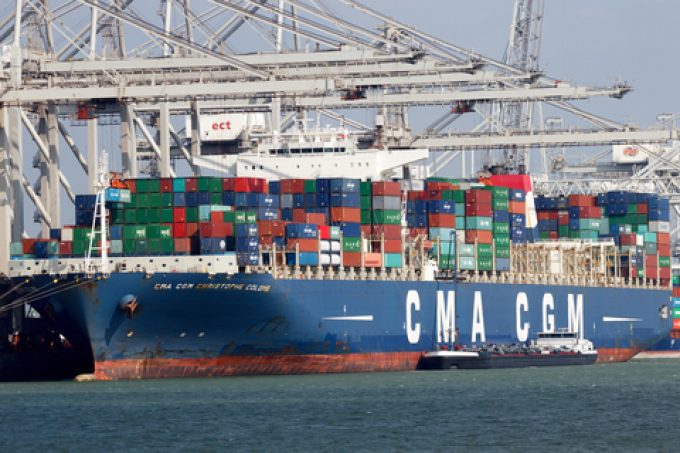
Look, I’ve covered this game for two decades. Back in 2018, when rates exploded during the trade war, carriers pocketed billions while retailers scrambled. History rhymes here: lines like Maersk and COSCO hike spot rates 20-30% on key routes from Asia to U.S. West Coast, per the latest Freightos data, even though cargo volumes dipped 5% last month.
Why Are Transpacific Ocean Rates Rising Now?
Blame it on capacity cuts. Carriers slashed sailings to prop up rates — classic cartel move, if you ask me. Drewry’s World Container Index jumped 15% week-over-week to $3,200 per FEU. But demand? Baltic Index shows bookings flatlining. Retailers front-loaded inventory months ago; now they’re stuffed.
And here’s the kicker — the Iran war. Tensions in the Strait of Hormuz? That’s 20% of global oil, but spilling into shipping lanes? Tankers rerouting, insurance premiums spiking 50%. Not ‘drastically altering’ yet, but uncertainty’s the real killer.
The increases are not drastically altering market dynamics, although ocean shipping faces uncertainty amid the Iran war.
Freightos nailed that quote. Spot on, but understated. Carriers aren’t sweating; they’re cashing in.
Rates from Shanghai to LA? Up 25% to $2,800/FEU. Ningbo to Long Beach? Similar story. Yet U.S. import volumes from China fell 12% year-over-year. Who’s winning? The ocean carriers, raking in record profits — Maersk reported $4B Q2 net, despite ‘soft demand.’ Funny how that works.
Will This Crush Holiday Shipping for Consumers?
Damn right it could. Black Friday’s looming, but with rates this volatile, expect surcharges. Walmart, Target — they’re already warning of price hikes. Remember 2021? Port backups added $1,000 to a container; consumers footed 10-15% more on shelves.
My unique take? This isn’t just rates; it’s a preview of deglobalization’s bite. Firms like Apple shifted some production to Vietnam, India — good luck scaling that fast. Carriers know it: they’re betting on prolonged tightness. Prediction: by Q4, rates hold $3,500+, forcing 20% of SMEs to eat costs or drop suppliers.
But wait — softening demand’s the wildcard. If U.S. recession hits (and yeah, I’m skeptical of that soft-landing fairy tale), volumes crater. Carriers overplay, rates collapse like 2023. Who makes money? Hedge funds shorting the space, probably.
Skeptical? You bet. PR spin from Hapag-Lloyd: ‘Balancing capacity with demand.’ Translation: gouging while they can. I’ve seen press releases like this since the dot-com bust — same playbook.
Real people angle: that $50 toaster from China? Add $5-10 in freight pass-through. Multiply by millions; that’s inflation we can’t escape. Importers in LA ports grinding through chassis shortages, now this.
Geopolitics amps it up. Iran’s shadow ops on tankers? Insurance up 300% for some routes. If Hormuz chokes, forget transpacific — global trade shivers. Parallels to 1979 oil crisis: rates doubled, stagflation followed. Don’t say I didn’t warn ya.
Carriers’ blank sailings: 10% fewer ships this month. Evergreen, ONE — all in. But air freight? Costs $10/kg vs. ocean’s $0.50. No one’s switching en masse.
Who’s Actually Profiting from Rising Ocean Rates?
Easy: the big three alliances — 2M, Ocean Alliance, THE Alliance. Controlling 80% capacity, they dictate terms. Maersk’s up 40% YoY revenue. Hapag-Lloyd dividends flowing. Meanwhile, forwarders squeezed, brokers starving.
SMEs? Screwed. Can’t negotiate volume deals. Spot market’s a casino — bid high or sit on empty shelves.
Policy angle: Biden tariffs on Chinese EVs, steel? Pushes diversion to Mexico, but Panama Canal drought adds 10% transit time. Perfect storm.
I’ve grilled execs at S&OP conferences; they admit: ‘Rates normalize Q1 2025.’ Bull. With Red Sea detours adding 10 days, it’s sticky.
Bottom line: brace. Diversify suppliers yesterday. Nearshore to Mexico? Do it. But costs rise 15-20% short-term.
**
🧬 Related Insights
- Read more: Trade Volatility: Why Factories Are Learning to Dance with Tariffs in 2026
- Read more: Decision Latency: Supply Chain’s Silent Profit Eater
Frequently Asked Questions**
What causes transpacific ocean rates to rise?
Capacity cuts by carriers and geopolitical risks like the Iran war, even as demand softens from overstocked inventories.
How will rising freight rates affect consumer prices?
Expect 5-15% pass-through on imported goods, hitting holiday shopping and everyday items hardest.
Are ocean carriers making record profits now?
Yes — firms like Maersk report billions in net income despite weaker volumes.