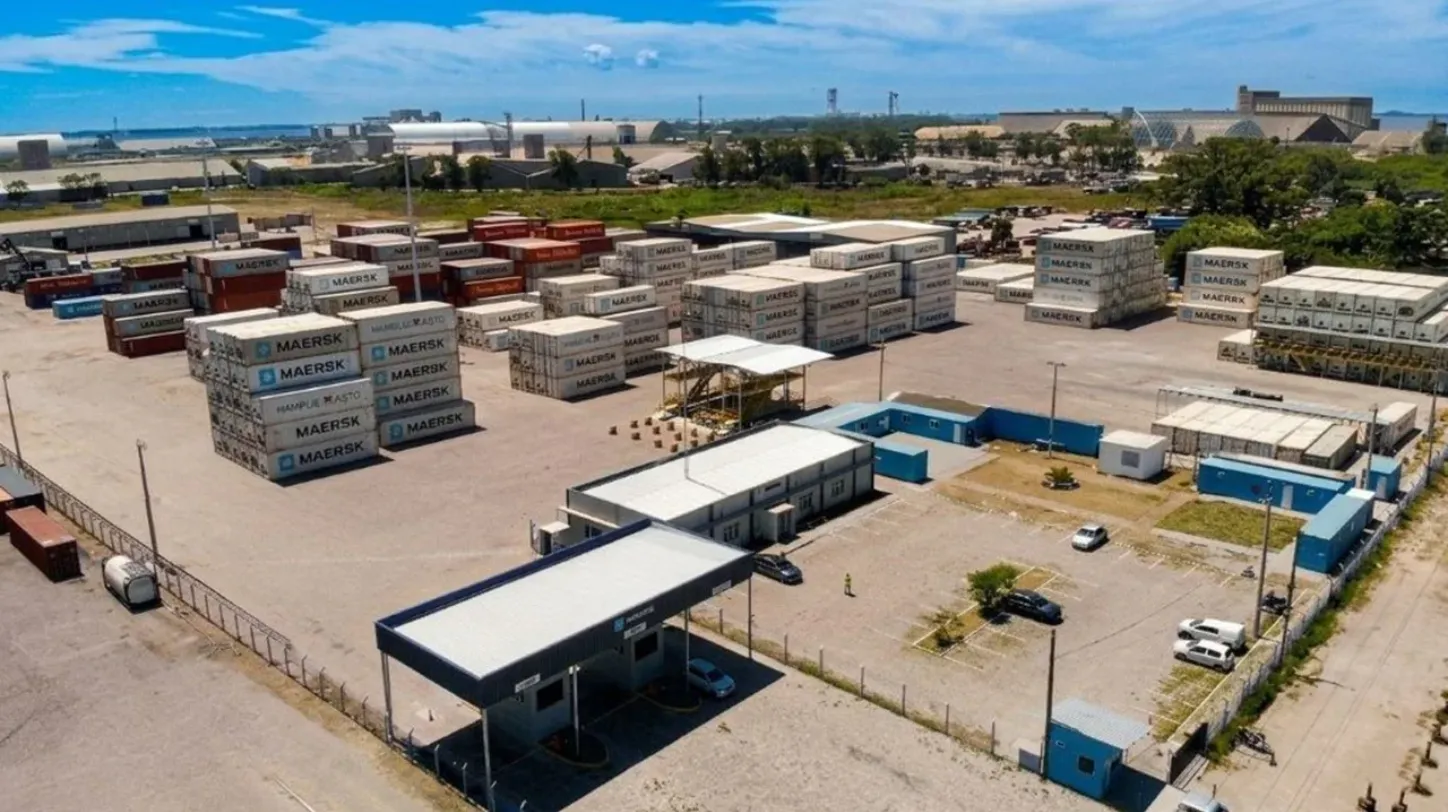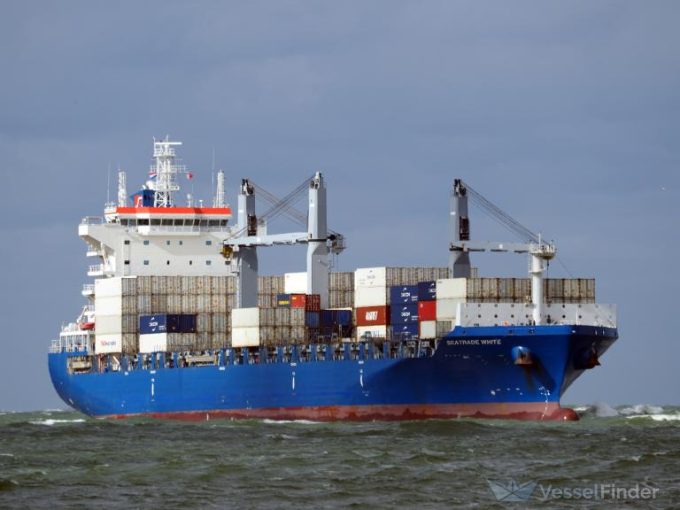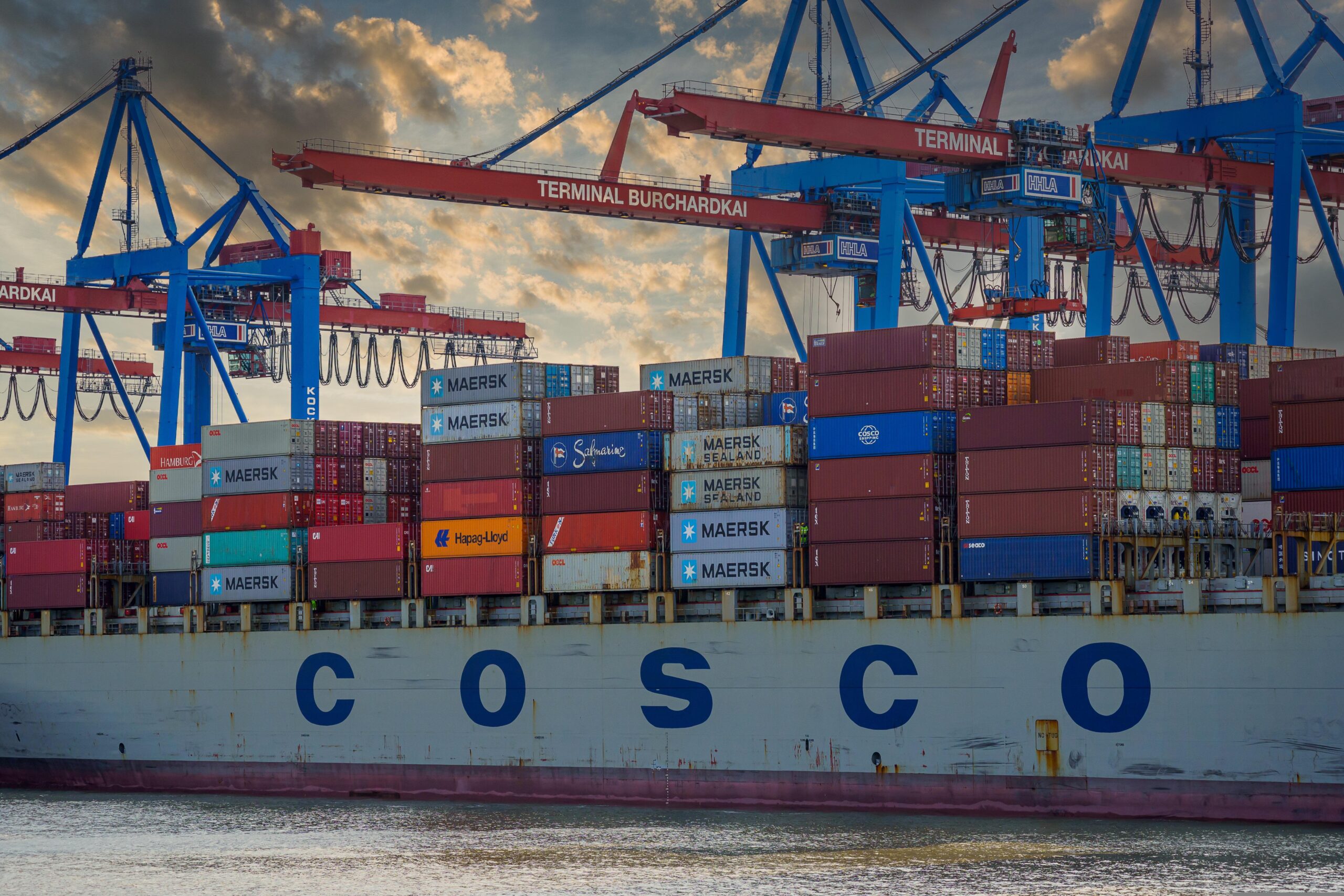
A container ship idled off the coast, its manifest delayed by months, a stark symbol of the supply chain’s precariousness.
The once-unquestioned march towards globalized manufacturing for commercial equipment is hitting a significant, and frankly overdue, correction. Decades spent optimizing for distant, low-cost production lines are now colliding head-on with the hard realities of geopolitical friction, pandemic-induced disruptions, and the sheer, unadulterated cost of getting goods from A to B when A and B are on different continents.
This isn’t just an academic exercise in trade policy; it’s a ground-level recalibration that has immediate and profound implications for transit and fleet operations, areas where uptime and predictability aren’t just desirable — they’re non-negotiable.
Why the Tide is Turning
The fragility of global supply chains isn’t a new revelation, but the prolonged, painful exposure to it has fundamentally altered corporate calculus. Transit agencies and fleet operators, accustomed to predictable delivery windows, found themselves staring at expanded timelines that stretched from weeks to months, and in some terrifying instances, years. Critical components became phantom limbs in the manufacturing ecosystem, their absence creating cascading failures across production lines.
And then there’s transportation. The seemingly stable edifice of shipping costs has crumbled, revealing a foundation of volatility. Rising fuel prices, persistent container shortages, and the general unpredictability of vessel schedules have transformed once-predictable expenses into a costly guessing game.
But it’s not all bad news. Government incentives are increasingly nudging manufacturers toward domestic production, creating a more fertile ground for local capabilities. Coupled with a growing, almost urgent, demand for enhanced quality control and greater customization options — things that are notoriously difficult to orchestrate across vast distances — the motivation for manufacturers to bring production closer to their end-users is becoming irresistible.
The Immediate Impact on Operations
For transit and fleet managers, reliability is the bedrock upon which their entire operation is built. Reshoring directly addresses this. When the equipment and the parts that keep it running are manufactured within a more accessible radius, lead times shrink dramatically. This isn’t just about getting a new bus or a critical spare part faster; it’s about improving service intervals, accelerating repair times, and achieving a far more sensible alignment with operational schedules. It’s about reducing the agonizing wait.
Furthermore, the shift toward domestic production simplifies adherence to evolving regulatory standards, environmental mandates, and specific operational requirements. These localized chains of custody inherently reduce friction in both production and subsequent implementation. Consider something as fundamental as fleet washing equipment; short supply chains and readily available local servicing translate directly into improved maintenance cycles and, by extension, enhanced operational readiness across the entire fleet. It’s a virtuous cycle, really.
Regional Ripples and the Cost Equation
The impact of reshoring extends beyond individual operations. The development of more strong regional supplier networks is a natural consequence. Vendors are forging stronger, more dependable relationships, often finding these localized partnerships a far more sensible and reliable choice than stitching together disparate international chains. The economic logic is increasingly favoring local and regional collaboration.
However, let’s not pretend this is a cost-free utopia. Domestic production, particularly in regions with higher labor costs, often comes with a steeper upfront price tag. This necessitates a more rigorous analytical approach from transit agencies and fleet operators. Purchasing decisions and long-term strategic planning must now more acutely weigh the initial investment against the demonstrable gains in efficiency and the reduction of costly downtime over the equipment’s lifecycle. It’s a classic trade-off, and one that demands sharp financial analysis.
The Lingering Global Ties
Despite the compelling arguments for reshoring, it’s crucial to acknowledge that it won’t be a complete eradication of global manufacturing. Many complex systems, particularly those reliant on highly specialized components like semiconductors, advanced electronics, or specific advanced materials, will continue to depend on international sourcing for the foreseeable future. Scaling domestic capabilities to meet the full spectrum of demand is a marathon, not a sprint. New local ecosystems, capable of replicating the breadth and depth of established global networks, require time and significant investment to rebuild.
For now, a hybrid model appears to be the pragmatic path forward: domestic assembly drawing on a carefully curated selection of global sourcing for critical, hard-to-replicate components, all while production capabilities migrate more decisively towards local and regional hubs.
What Lies Ahead
Looking forward, the trajectory of reshoring suggests a move toward a more diversified manufacturing model rather than a complete divorce from global production. Supply chains are poised to become decidedly more regionalized. For transit and fleet agencies, this translates into enhanced stability and swifter response times. As technology continues its relentless advance, logistics will undoubtedly morph and improve, driven by automation, digital manufacturing techniques, and the growing integration of artificial intelligence into operational workflows.
The Path Forward is Clear
Challenges persist, of course, but one certainty is emerging: bringing manufacturing closer to home is rapidly becoming a cornerstone in the construction of more dependable and efficient operational systems. Agencies and operators that proactively adapt to this evolving landscape will be better positioned to manage costs, optimize production, minimize costly downtime, and ultimately, improve overall performance in an operational environment that shows no signs of simplifying.
Why This Matters for Fleet Operations
The direct link between manufacturing location and fleet reliability is becoming more pronounced. Shorter lead times for equipment and parts mean less time spent waiting and more time spent operational. This has a tangible effect on service delivery and cost management, turning potential disruptions into manageable events.
The Global vs. Domestic Cost Dilemma
While reshoring promises operational stability, the financial calculus requires careful consideration. Higher domestic labor costs can mean a larger initial investment, but the long-term benefits of reduced downtime and increased efficiency often justify this expenditure. The key lies in sophisticated cost-benefit analysis that accounts for the total cost of ownership, not just the sticker price.