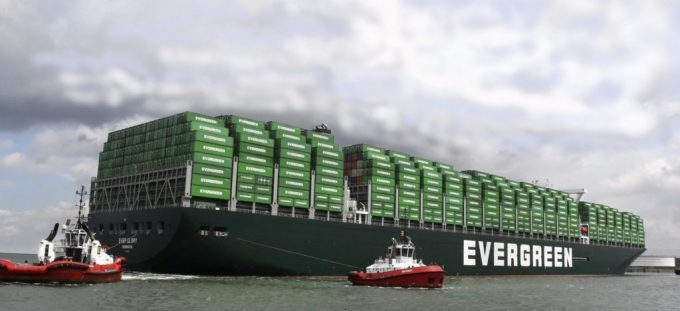
Evergreen’s Q1 revenue took a 21% nosedive from the previous year, landing at TW$65.6 billion ($2.05 billion). Freight revenue averaged a mere $959 per TEU, a 22% drop. This isn’t exactly the picture of booming global trade. But here’s the thing: the company is pointing to an early peak season. Yes, you read that right. Even with headwinds, they’re seeing an opportunity.
Why the Dip? Blame Transpacific Tensions and Shifting Demand
General manager Wu Kuang Huin laid it out plainly: “Transpacific cargo volumes were relatively weak in Q1 due to the US-China trade tensions.” That makes sense. When major trade routes get choppy, container volumes tend to follow suit. But he quickly pivoted, adding, “However, increased supply chain uncertainty has led shippers to stock up earlier, driving a rebound in cargo volumes expected in Q2, potentially bringing the peak season forward.”
This is where the data-driven analyst in me raises an eyebrow. The narrative of supply chain uncertainty driving early stockpiling isn’t new. We’ve seen it before. But the magnitude of this shift, if Evergreen’s forecast holds, could reorder the traditional Q3/Q4 peak season expectations. It’s a gamble, for sure, relying on shippers’ willingness to preemptively fill warehouses.
“We’re optimistic about our performance for Q2 and Q3, but fuel costs and geopolitical factors remain the biggest variables this year. Inflation could be pushed up if oil prices keep rising, further impacting on consumer demand, limiting visibility for Q4.”
This quote from Mr. Wu is critical. It’s a shot of realism amidst the optimism. The geopolitical factors he’s referring to are stark. The US-Iran conflict has directly impacted Evergreen, stranding three vessels in the Gulf. While the company states cargo has been unloaded at nearby ports, and that this represents only 2-3% of total volume, the potential for further escalation or similar disruptions elsewhere looms large. And then there are the fuel costs. A 60% jump since the conflict began on February 28th. That’s not pocket change. Bunkers now constitute about 19% of Evergreen’s operating expenses, a figure expected to climb.
Evergreen’s Secret Weapon: Scrubbers and Emerging Markets
So, how is Evergreen hedging against these rising fuel prices? They’re leaning heavily on their scrubber-fitted ships. And Evergreen, it’s said, boasts the highest proportion of these in the industry – approximately 150 vessels, or 72% of their owned fleet. Scrubbers allow them to burn cheaper, high-sulfur fuel oil, effectively buffering the impact of rising bunker prices. It’s a smart, if capital-intensive, strategy that appears to be paying dividends in cost management.
Beyond cost control, Evergreen is also eyeing growth in emerging markets. Mr. Wu indicated plans to add capacity where trade is expanding faster than the established Asia-Europe and transpacific routes. This is a sensible diversification play. Relying solely on the mature, and often volatile, major trade lanes can be a precarious strategy. Targeting growth pockets makes strategic sense.
The Strait of Hormuz Hassle: A Minor Glitch, Not a Catastrophe?
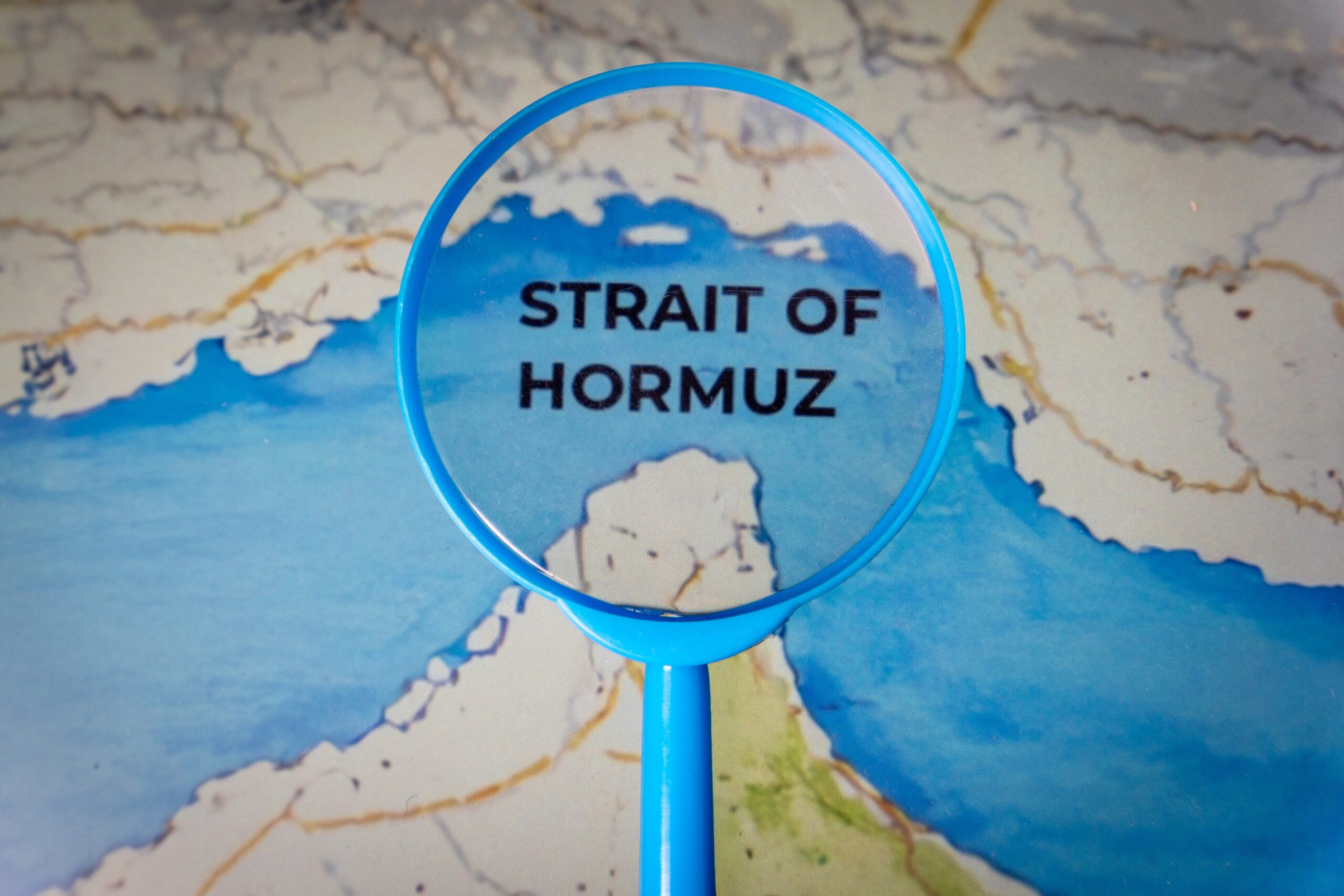
The immediate impact of the US and Iran blocking the Strait of Hormuz, a vital chokepoint for global oil and shipping, has been felt. Three Evergreen ships are stuck. But Evergreen’s planning head, Chen Wei-hsun, downplayed the severity, noting the vessels are in safe waters and adequately supplied. The cargo, he stressed, can be rerouted via local barges and land transport if customers are willing to foot the bill. This suggests a proactive — if somewhat costly — approach to mitigating immediate disruptions.
He further emphasized that this affected cargo is a relatively small fraction of their overall volume. Diversions to routes like Far East-Indian Subcontinent can occur with minimal service impact. It’s a tightrope walk, though. A small percentage of disruption can snowball if the broader geopolitical situation deteriorates.
My unique insight here? This isn’t just about Evergreen; it’s a microcosm of a larger trend. The industry is constantly trying to balance the volatility of global events with the predictable rhythms of commerce. Evergreen’s bet on an early peak season is a play for market share, a move to capture demand before competitors might be fully positioned, especially if inflation continues to put pressure on consumer spending later in the year. Their investment in scrubbers is a tactical advantage, but the broader geopolitical landscape remains the ultimate wildcard. If sanctions tighten or conflicts expand, even Evergreen’s sophisticated cost-management and fleet flexibility might not be enough.
Will This New Strategy Save Evergreen?
Evergreen’s strategy hinges on its ability to capitalize on a potentially earlier peak season while weathering increased fuel costs and geopolitical instability. Their significant investment in scrubber-fitted vessels provides a crucial cost advantage. The focus on emerging markets also offers a pathway for growth independent of the saturated main lanes. However, the company’s own admission that fuel costs and geopolitical factors are the biggest variables highlights the inherent risks. A sustained rise in oil prices could still crimp consumer demand and reduce overall cargo volumes, particularly impacting visibility for the fourth quarter. The success of their early peak season bet will be a critical indicator of how well they’ve navigated these complex market dynamics.
🧬 Related Insights
- Read more: USPS’s 8% Parcel Rate Spike: Temporary Band-Aid or Supply Chain Signal?
- Read more: Diesel Spike and AI Mirage: The Real Supply Chain Mess of 2026
Frequently Asked Questions
What does Evergreen do? Evergreen is a major international shipping company, operating a large fleet of container vessels and providing global ocean freight services. They are one of the largest liner operators in the world.
Will the early peak season impact other shipping companies? Potentially. If Evergreen’s assessment of increased shipper stockpiling due to supply chain uncertainty proves accurate, other carriers may also see a shift in demand patterns. This could lead to tighter capacity sooner than expected and influence freight rate negotiations across the board.
How much has Evergreen’s fuel cost increased? Evergreen’s fuel costs have risen by 60% since the US/Iran conflict began on February 28th, now making up about 19% of their operating expenses.